


Trump Issues Warning on Military Response to Iranian Aggression
President Trump announced on Thursday that the United States would take significant military action against Iran and the Houthi rebels following an attack on two Saudi oil tankers in the Red Sea. This statement follows his recent declaration of a naval blockade aimed at Saudi Arabia.
Accountability is Key, Says Trump
In a post on Truth Social, Trump emphasized that if further attacks occur, the United States will hold Iran accountable, characterizing the Houthis as proxies for the Iranian regime. His remarks indicate a firm stance on deterring aggression in the region.
Iran Protests U.S. Asset Confiscation Threat
In a related development, Trump stated that U.S. assets belonging to Iran would be utilized to compensate for any damages incurred by the attacks. This declaration incited a strong reaction from Iranian officials, including Foreign Minister Abbas Aragushi, who labeled the threat an “incendiary precedent.”
Strained Maritime Traffic in Critical Waterways
The Strait of Hormuz is experiencing a near-complete standstill as attacks continue, drastically affecting maritime activity. The only vessel to successfully navigate the strait on Thursday was the New Giant, an oil tanker bound for Rizhao, China.
Mixed Traffic Conditions in the Red Sea
Conditions remain uncertain in the Red Sea, where some vessels have turned back due to Houthi threats. However, overall traffic in the region does not show significant signs of decline. According to an NBC News analysis of Marine Traffic data, eight tankers were recorded heading north through the Bab el-Mandeb Strait into the Red Sea, while 14 vessels moved south toward the Gulf of Aden.
Oil Prices Fluctuate Amidst Geopolitical Tensions
As concerns escalated over global energy supplies due to these disruptions, international benchmark Brent crude oil prices soared past the $100 per barrel mark for the first time since May, though they have since dipped to approximately $97 per barrel.
Escalating Air Strikes and Regional Impacts
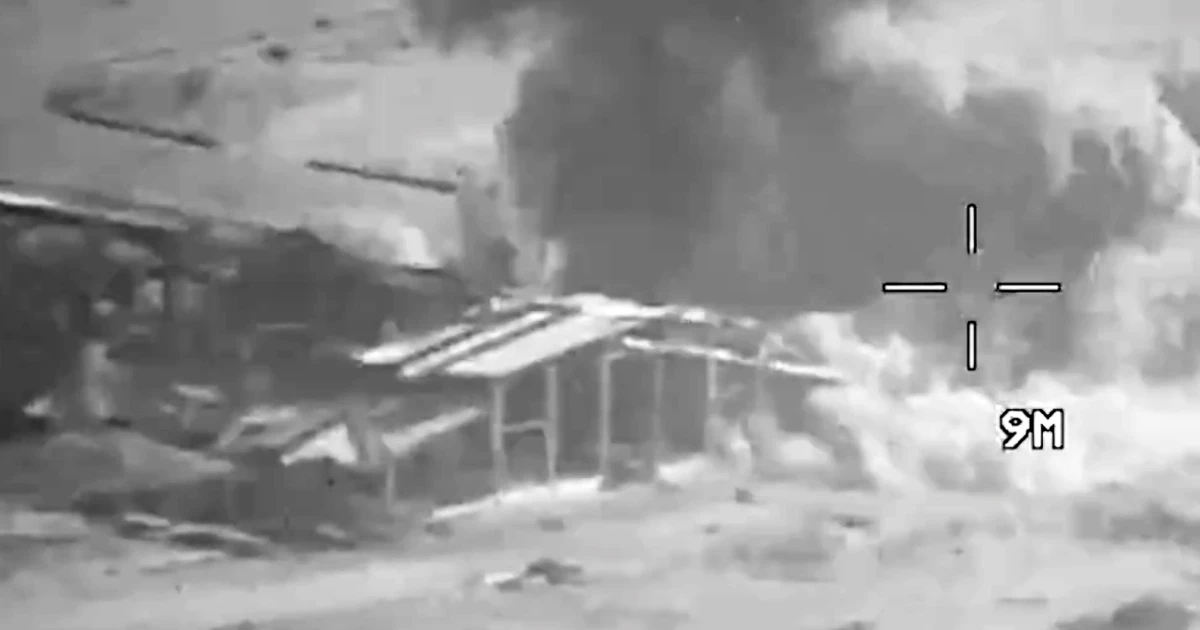
Both sides continued aggressive military operations, with U.S. Central Command reporting its 13th consecutive night of air strikes targeting Iranian military assets. The operations aimed to dismantle Iran’s military command centers, drone storage facilities, and coastal surveillance sites to mitigate threats to civilian shipping in the Strait of Hormuz.
Civilian Casualties and Rising Tensions in the Region
Reports from Iran indicate heightened casualties, with state news agency IRNA confirming four fatalities and five injuries due to the attacks in the Ahvaz region. Iran has retaliated with new assaults, including strikes on U.S. military bases in Kuwait, while alarming reports of explosions near a military installation housing U.S. forces in northern Iraq have surfaced.
Iraq’s Diplomatic Efforts Amidst Rising Military Conflict
As the potential for further escalation looms, the prospect of reviving the peace process appears to diminish. Iraqi Prime Minister Ali al-Zaidi made a noteworthy visit to Iran on Thursday, marking his first official trip since taking office in May. This visit underscores Iraq’s complex relationships with both the U.S. and Iranian governments.
Trump’s Take on Negotiations with Iran
President Trump remarked that although Iran desires to negotiate, they are not yet prepared to reach an agreement, suggesting that further hardships may be necessary before meaningful discussions can commence.
