


U.S. Forces Target Iranian Drones amidst Growing Tensions
On Wednesday, U.S. military forces downed four Iranian attack drones and struck ground control stations in Iran that were deemed to pose a direct threat to U.S. personnel and commercial shipping in the region, according to U.S. officials.
Airstrikes Near Bandar Abbas
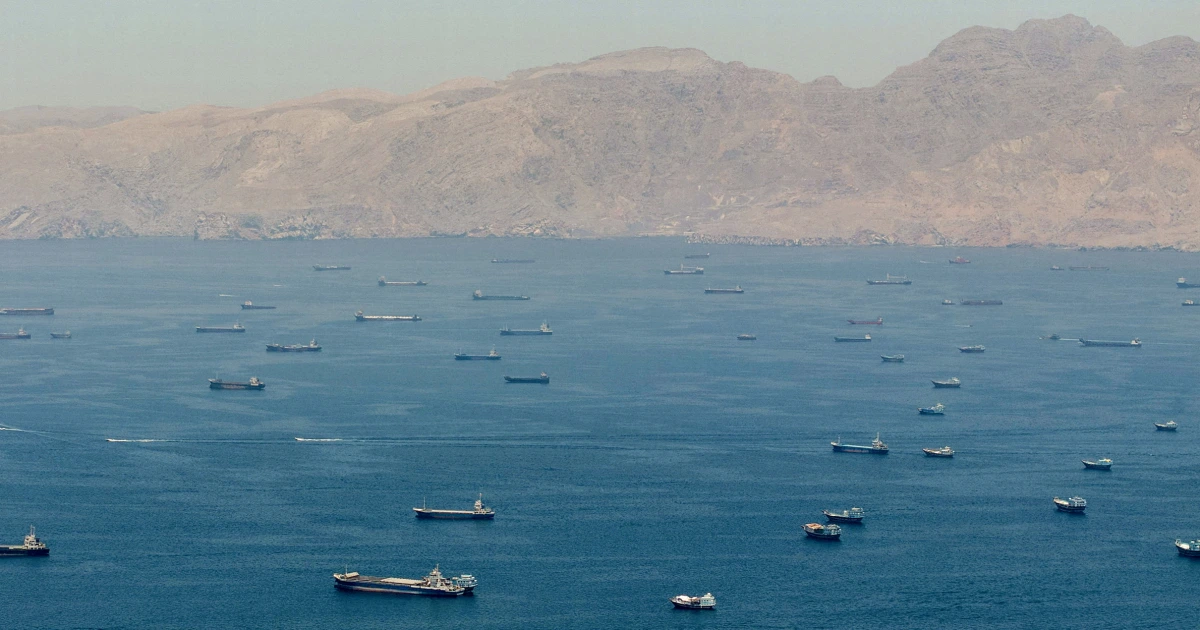
The airstrike occurred close to Bandar Abbas in southern Iran. Officials characterized the action as a defensive measure, designed to protect U.S. troops operating near the strategically critical Strait of Hormuz and the commercial vessels navigating through this vital maritime passage.
Ground Control Station Targeted
U.S. officials indicated that the ground control station in Bandar Abbas was specifically targeted because it was linked to the imminent launch of a fifth drone. This decisive move underscores the evolving dynamics of U.S.-Iranian tensions in the region.
Limited Strikes Amid Ceasefire Negotiations
The official noted that this second strike in recent days was intended to be limited and does not indicate a return to extensive combat operations against Iran. This approach comes as Washington and Tehran engage in negotiations aimed at resolving the ongoing conflict, which has seen a fragile ceasefire over the past three months.
Drones Linked to Iranian Revolutionary Guards
The downed drone reportedly belonged to Iran’s Islamic Revolutionary Guard Corps. Thankfully, it failed to hit any military or civilian objectives, allowing for a focus on minimizing collateral damage while addressing the immediate threat.
Reactions to the Military Action
Iranian state television reported multiple explosions heard near Bandar Abbas early Wednesday morning, prompting the activation of the city’s air defenses. Investigation into the causes and locations of the explosions is currently underway.
Sanctions and Future Implications
Later in the day, the Trump administration announced new sanctions targeting the Iranian Persian Gulf Straits Authority, which recently sought to regulate maritime traffic and impose tolls on vessels. Treasury Secretary Scott Bessent emphasized that Iran’s military actions demonstrate the regime’s desperation for financial resources amid ongoing U.S. economic pressure.
Negotiations and Diplomatic Standoff
While Iranian state media suggested that the U.S. had agreed to lift its naval blockade in exchange for troop withdrawals and a return to pre-war shipping levels, the White House strongly rejected this narrative. President Trump remarked on Iran’s eagerness to secure an agreement but conveyed dissatisfaction with the terms being discussed, underscoring the complexities of the ongoing diplomatic standoff.
Escalation of Tensions
Wednesday’s military action marked the second U.S. strike in just days, following previously reported limited operations against Iran amid escalating hostilities. Iranian officials condemned these actions, citing violations of the ceasefire. The Revolutionary Guards have pledged to respond firmly, potentially exacerbating the already tenuous situation in the region.
