


Big Tent Coalition Criticizes Tinubu Administration for Lack of Accountability
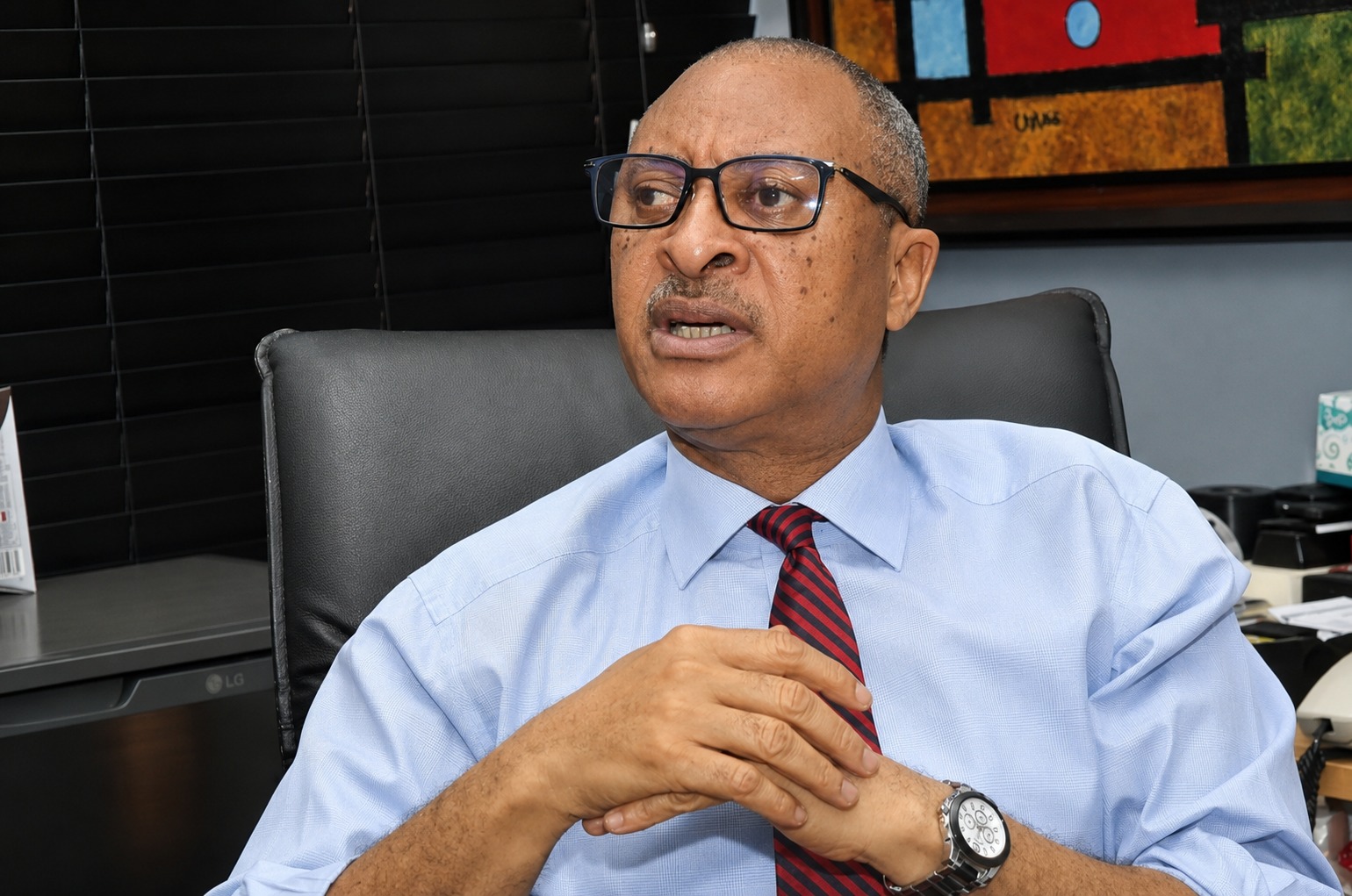
The Big Tent Coalition, spearheaded by Professor Pat Utomi, has accused President Bola Tinubu’s administration of repeatedly engaging in misleading practices. According to the coalition, the government tends to showcase activities and achievements as significant accomplishments, while neglecting to provide measurable results and often backtracking when challenged on these claims.
Coalition Calls Out Lack of Engagement with Nigerian Realities
In a recent statement, the coalition criticized President Tinubu’s spokesperson, Bayo Onanuga, for prioritizing a change in narrative over genuine accountability. Instead of addressing the pressing concerns affecting millions of Nigerians, the administration has focused its ire on Peter Obi, the leading contender for the 2027 presidential race. Obi highlighted during an interview on Channels Television’s Sunday Politics that what Tinubu brands as “new hope” is in reality leading to “new despair.”
Living Standards Under Scrutiny
The coalition asserts that the assessment of Obi is grounded not in mere rhetoric but in the tangible evidence of deteriorating living standards, escalating poverty, and a culture of corruption within institutions. The coalition emphasized an observed pattern where the government lists activities and claims them as successes, all while circumventing measurable impacts. This, they argue, encapsulates the core failure of the current APC-led government: conflating mere activity with meaningful outcomes.
Concerns Over Educational Initiatives
Charles Odibo, Director of Media and Communications for the Big Tent Coalition, argued that the Nigeria Education Loan Fund (NELFUND), touted as a major initiative, actually represents an admission of systemic failure. He insisted that merely providing funding for educational expenses is insufficient without a broader system focused on improving access, enhancing quality, minimizing dropout rates, and developing graduates capable of driving economic growth. He criticized NELFUND as operating within a context of an educational system in decline.
Current Educational Landscape in Nigeria
Despite claims surrounding NELFUND and various other reforms, Nigeria continues to struggle with the largest number of out-of-school children globally, a staggering 18.3 million according to UNICEF. The crisis remains unaddressed under the current administration, with concerns that conditions have worsened. Odibo highlighted that federal education spending is severely inadequate; even in 2025, the allocation was a meager 7.5% of the national budget, significantly below UNESCO’s recommended target of 15-20%.
Higher Education Challenges and Faculty Issues
The Big Tent Coalition noted that higher education is similarly plagued by chronic underfunding, outdated infrastructure, and ongoing labor disputes. The Academic Staff Union of Universities (ASUU) has repeatedly voiced complaints regarding the government’s failure to honor agreements and fulfill financial obligations. Establishing new higher education institutions without sustainable funding will only exacerbate these longstanding challenges rather than provide solutions.
Calls for Genuine Educational Reform
Odibo warned that while NELFUND may temporarily alleviate financial pressures for some students, it cannot reverse the systemic declines affecting education in Nigeria. He stressed that 18 million children remain outside of classrooms, and the existence of a loan program does not equate to meaningful educational progress. Until the government shifts its focus from activity to actual performance and measurable outcomes, the perception of “new despair” will not only persist but be underscored as a reality for Nigerians.
Pattern of Governance Under Scrutiny
According to the Big Tent Coalition, this problematic approach extends beyond education. The administration consistently promotes lists of “reforms,” “interventions,” and “projects” across various sectors, framing them as evidence of success. Yet, for many Nigerians, real factors such as purchasing power, job quality, food security, and access to essential public services are on the decline. The coalition urges the presidency to recognize that Peter Obi did not create this “new despair”; rather, he articulated a sentiment already felt by the populace. For genuine progress, the government must focus on substantive results rather than mere activity.
