


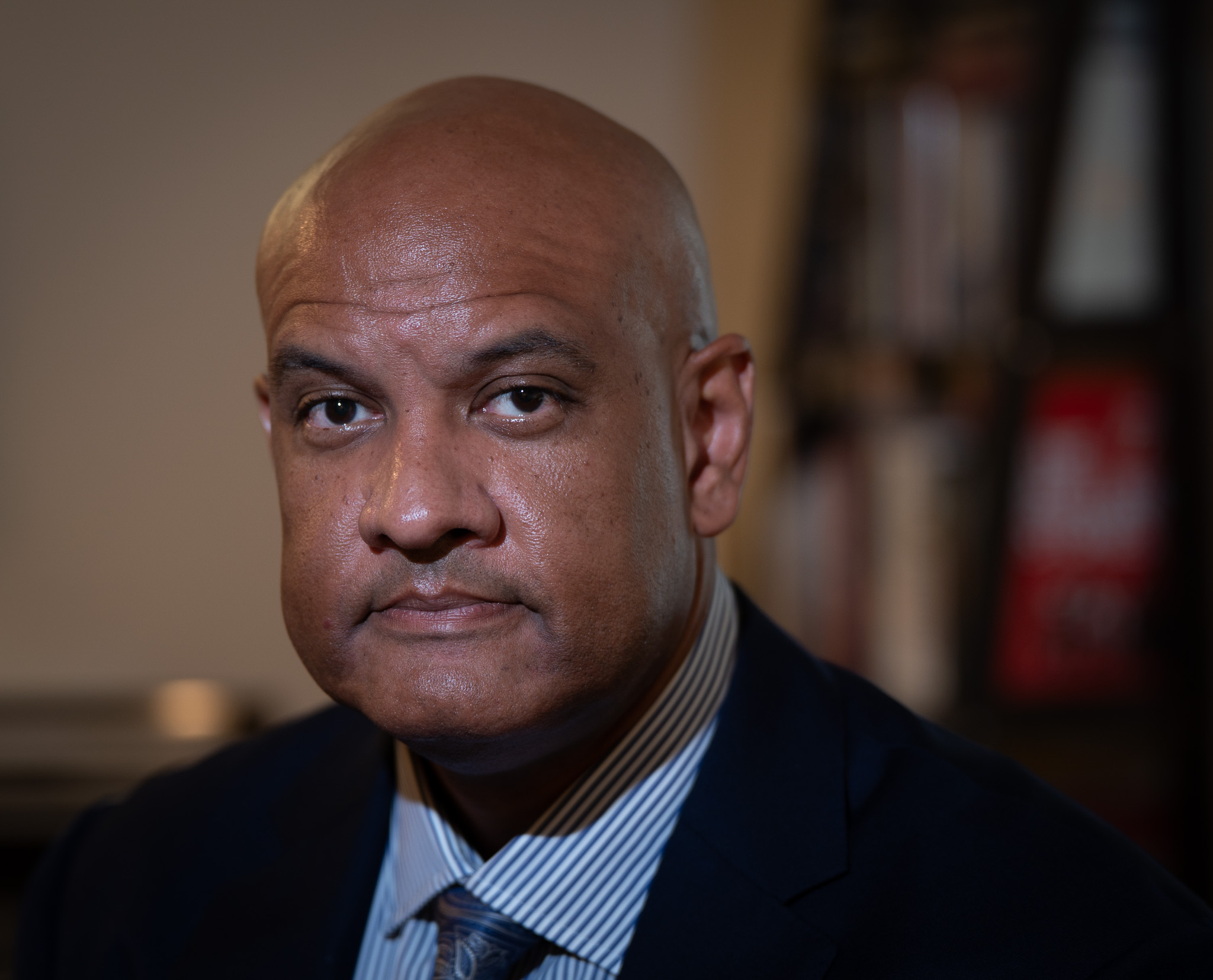
The Dismissal of Honolulu Immigration Judge Raises Concerns Among Lawyers
The ongoing personnel changes initiated by the Trump administration have led to the unexpected firing of a veteran immigration court judge in Honolulu, raising alarm among advocates and attorneys representing immigrant clients. Judge Clarence Wagner, who has served on the bench for 16 years, was dismissed on May 21 without explanation, leaving many in the legal community concerned about the impact on the asylum process.
In an interview with Civil Beat, Judge Wagner stated he was not provided with any reasons for his abrupt dismissal. He noted an increasing pressure to expedite the processing of a significant backlog of asylum applications and deportations. His removal came in the form of a brief email from Acting Attorney General Todd Blanche, a successor to Pam Bondi, expressing a decision to terminate Wagner’s position.
Wagner emphasized that his most recent evaluation was “completely positive,” yet he was unable to access the document due to being locked out of his computer immediately following his termination. Many attorneys who had worked with Wagner expressed their disappointment, citing his fair adjudication and thorough understanding of immigration law.
Wagner’s dismissal is part of a larger trend, with over 113 judges removed from their positions by the U.S. Department of Justice since President Trump took office in 2025. Observers suggest that this purge targets judges who have demonstrated a tendency to grant asylum claims, with Wagner notably approving 64% of the 334 cases he ruled on in the first 11 months of fiscal year 2025. In contrast, his successor, Jason Waterloo, granted asylum in just 27% of his rulings during the same period.
Escalating Pressure to Expedite Immigration Proceedings
The shift in the immigration court’s dynamics has been evident as case filings continue to surge. Advocates have pointed out that many judges are being pressured to deny asylum claims more quickly, often at the expense of thorough reviews. Wagner described a notable uptick in cases, reflecting a climate wherein the pressures to achieve efficiency overshadow the judicial responsibility to ensure fair hearings.
Amidst these changes, attorneys have voiced concerns regarding the increased pace of court hearings, with hearings being dramatically shortened. The time allocated for substantive cases has been reduced significantly, putting judges like Wagner in a position where they are compelled to resolve cases hastily. He remarked that the tight schedules have led to a diminished sense of service within the court system.
The Justice Department contends that these changes are necessary to prevent prolonged litigation. A spokesperson for the department stated that delays negatively impact both valid immigrant claims and American citizens who desire swift resolution of cases involving non-meritorious claims. They also noted ongoing adjustments to case management in a bid to maintain legal processes efficiently.
Concerns Over Political Influence and Judicial Independence
The recent firings and the push for expedited deportations have sparked renewed calls for the independence of immigration courts from the Department of Justice’s oversight. Several lawmakers have introduced legislation aimed at creating an independent immigration court system akin to U.S. bankruptcy and tax courts, in an effort to protect judicial impartiality regardless of shifting political contexts.
Experts, including immigration lawyers like Aparna Patry, have echoed sentiments advocating for the removal of immigration courts from executive control, arguing that the potential for political influence jeopardizes fair adjudication. The ongoing discussion highlights a vital concern among practitioners about the integrity of judicial decisions in the face of executive authority.
Amid this controversy, Judge Wagner is considering relocating to Washington, D.C., to engage more deeply with political discourse and the Democratic Party, distancing himself from the policies he disagrees with that are currently shaping immigration enforcement. His planned move underscores the intersection of law and politics in a time of significant turmoil in the immigration system.
