


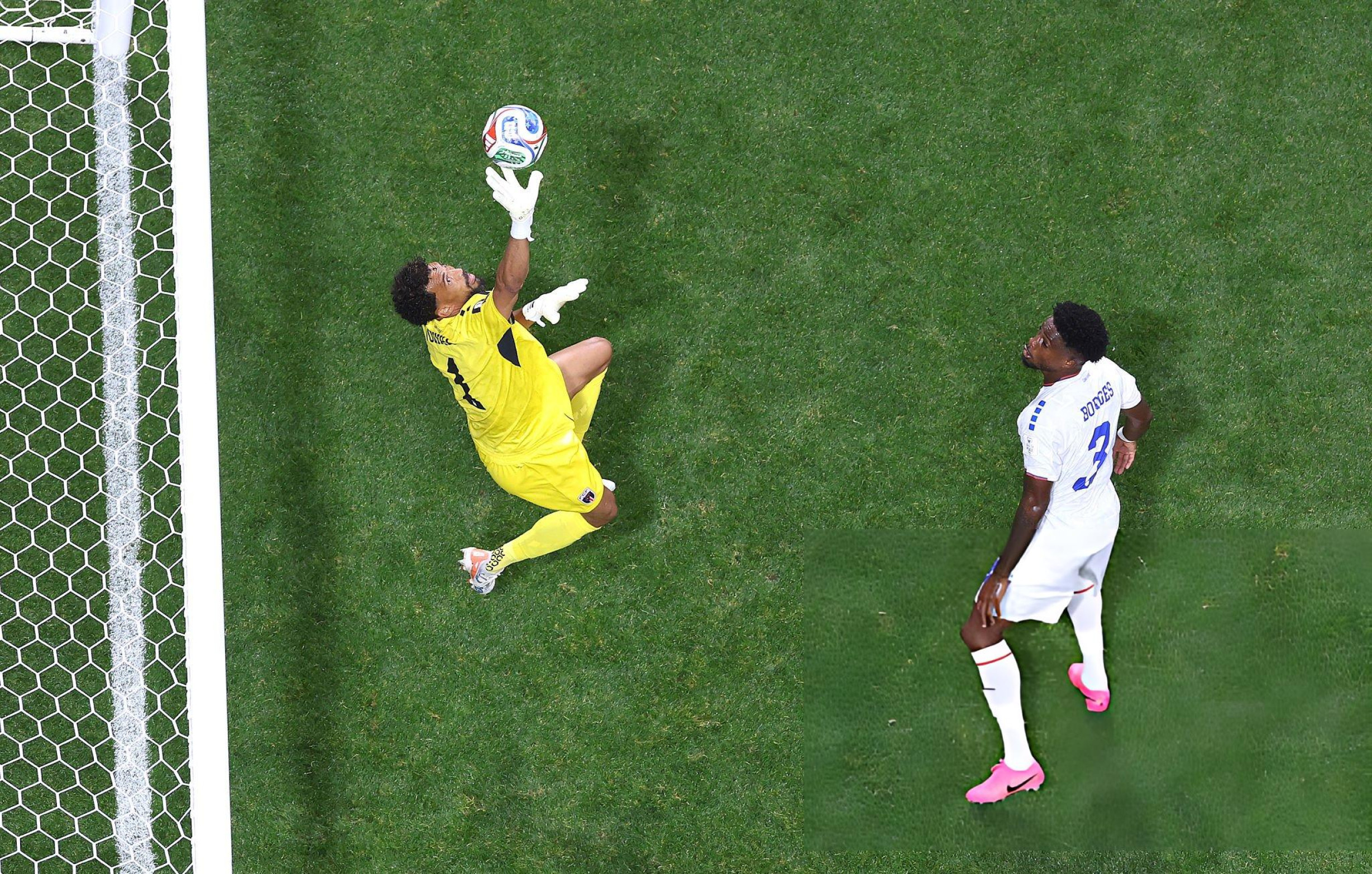
On a night when many anticipated a decisive victory for Spain, Cape Verde stunned the soccer world with a remarkable performance. In their World Cup debut, the team held the reigning European champions to a 0-0 draw, marking a significant moment on soccer’s grandest stage.
The 2026 FIFA World Cup witnessed its first true fairy tale as the Blue Sharks defied expectations in Atlanta, thwarting the favorites and crafting one of the most inspiring underdog narratives in World Cup history. This nation of just 500,000 people, ranked 64th globally, faced off against one of the tournament’s leading contenders without flinching.
As the final whistle echoed through the stadium, Cape Verde’s players celebrated as if they had just won the trophy. In many respects, they had achieved an incredible milestone: making history.
Cape Verde delivers a stunning upset
The statistics painted a daunting picture before the match. Spain, the reigning European champions, arrived in the United States on July 19 as one of the favorites to lift the World Cup trophy, sitting second in the FIFA world rankings. In stark contrast, Cape Verde was positioned 64th—with a staggering 61-point gap separating the two nations.
The Spanish squad boasted big-name players from Barcelona, Real Madrid, and Manchester City, while Cape Verde’s lineup comprised players from various clubs, many of whom play well away from the spotlight. Yet, for the next 90 unforgettable minutes, none of that mattered.
Vosinha rises to national acclaim
Every great football story needs an unforgettable hero, and Cape Verde found theirs in 40-year-old goalkeeper Vosinha. The veteran produced one of the most outstanding performances of the tournament, consistently thwarting Spain’s efforts with a series of breathtaking saves.
At times reminiscent of his younger self, Vosinha frustrated Spanish attackers like Ferran Torres and Aymeric Laporte with impressive stops. He commanded his area confidently, organizing the defense and instilling belief in his teammates. Once the final whistle sounded, Vosinha was engulfed by his teammates, waving the Cape Verdean flag in a moment that will be etched in the nation’s sporting history.
Spain’s dominance yields no results
Despite controlling possession and territory, Spain struggled to find the back of the net. The European champions unleashed 27 shots throughout the match, yet only seven truly tested Vosinha. Their clearest opportunity came when Torres hit the crossbar, leaving the Spaniards grasping in frustration.
The Blue Sharks maintain their resolve
The atmosphere shifted when Spanish prodigy Lamine Yamal entered the match after halftime. Returning from a hamstring injury, Spanish fans hoped he could spark a decisive play. Yamal injected urgency and creativity, but the disciplined Cape Verdean defense held firm, contesting every attempt effectively.
Just as Mikel Oyarzabal appeared to find a late winner, a critical block by defender Roberto López preserved Cape Verde’s clean sheet. Throughout the match, the Blue Sharks defended valiantly, turning back Spain’s relentless pursuit of a goal.
Cape Verde nearly pulls off the extraordinary
As the match reached its closing moments, Cape Verde was not content to merely defend. A late corner saw defender Dinny Borges rise to head the ball toward goal, sending a ripple of fear through the Spanish camp. Luckily for Spain, goalkeeper Unai Simon reacted promptly to secure the draw.
A national dream realized
Cape Verde’s qualification for the World Cup was already hailed as one of African football’s greatest achievements. They outperformed established competitors like Cameroon to earn their spot. Yet few expected them to make a significant impact, with many predicting they might finish last in Group H.
However, after this surprising result against Spain, the Blue Sharks have suddenly become contenders for advancement as they still have matches against Uruguay and Saudi Arabia on the horizon. With the tournament’s expansion to a 48-team format, the possibility of progressing to the Round of 32 rests firmly within their grasp.
Spain faces scrutiny
While Cape Verde reveled in their historic achievement, Spain was left to ponder their shortcomings. Coach Luis de la Fuente acknowledged that his team fell short in critical moments, expressing the need for improvement in their attacking play. He recognized the physical challenge posed by Cape Verde and noted that little details ultimately determined the match’s outcome.
A historical warning for Spain
This isn’t the first time Spain has stumbled out of the gate in a World Cup. In 2010, they lost their opener to Switzerland but went on to claim the trophy. Conversely, a 5-1 defeat to the Netherlands in 2014 led to a premature exit. History suggests that a rocky start can lead to very different outcomes, and Spain will be hoping this draw is more akin to 2010 than 2014.
Echoes of victory
Celebrations continued long after the final whistle as Cape Verdean players and fans absorbed the significance of their achievement. This was far more than a mere draw; it was a validation of their status on soccer’s biggest stage. In a match where Spain was expected to secure an easy win, Cape Verde emerged as the true heroes, rewriting the narrative of the 2026 FIFA World Cup.
