


Changes in Visa Rules Open New Employment Opportunities for Wisconsin Dairy Farmers
Wisconsin dairy farmers may gain a significant new pathway for hiring workers following the recent announcement of revised seasonal visa regulations by the Trump administration. The U.S. Department of Labor and Homeland Security are expanding access to the federal H-2A program, which enables agricultural employers to secure temporary visas for seasonal laborers.
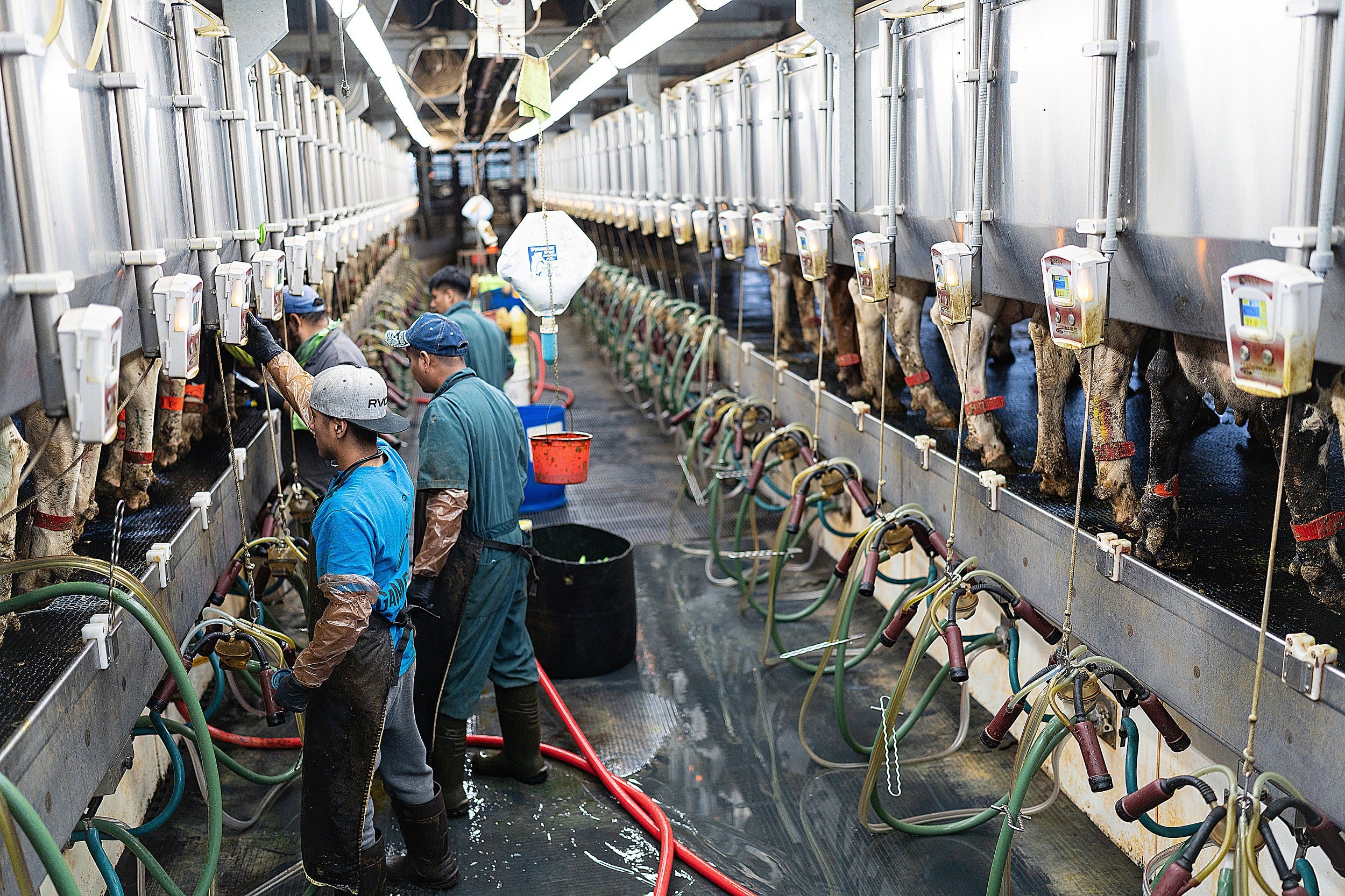
For years, the dairy sector has advocated for loosening the existing restrictions that prevent visas from being granted for roles that are essentially year-round, such as milking. These limitations have historically excluded many livestock and mushroom farms from participating in the program.
John Holley, president of the National Agricultural Employers Council, expressed his enthusiasm for the policy shift. He remarked that this change could pave the way for further enhancements to the H-2A program. Holley highlighted that the administration’s actions are a move toward the necessary reforms that would allow the dairy industry to benefit from the only legal employment program available for foreign agricultural workers.
Details of the Updated H-2A Program Remain Ambiguous
While the government announcement was a step forward, it lacked specifics regarding which dairy farm positions will be eligible for H-2A visas. Notably, the update pertains exclusively to dairy products, and the USDA has not indicated any modifications to the current one-year visa validation period or the potential for three-year extensions.
The agricultural landscape in Wisconsin increasingly relies on the H-2A program to meet its labor demands. In the past decade, the annual number of H-2A jobs reported by Wisconsin farmers has surged at least six-fold. Furthermore, heightened immigration enforcement by the White House has amplified the program’s importance as a reliable avenue for legally eligible workers.
Current Usage of H-2A Workers in Dairy Operations
Some dairy farms in the region are already utilizing H-2A workers in roles outside of milking. According to data from the U.S. Department of Labor and Wisconsin’s milk producer licensing records, at least 14% of farms that received visa approval this year are engaged in dairy operations. For instance, Amy Walt, a dairy farmer in Calumet County, employed three H-2A workers from South Africa as heavy equipment operators, indicating a shift in roles traditionally filled by local labor.
Walt mentioned that the farm does not require these workers to manage the cattle directly; rather, they are essential for operating various farm machinery. Similarly, fellow dairy farmer Kurt Schneider hired South African H-2A workers to assist with harvesting forage crops, citing their English-speaking skills as a crucial factor in hiring decisions. This group of workers is expected to outnumber their Jamaican counterparts by a substantial margin by 2024.
Workforce Stability and the Challenges of the H-2A Program
Schneider expressed excitement regarding the prospect of utilizing the H-2A program for milking operations. He noted that while his current milking crew is predominantly Spanish-speaking, he would prefer to hire H-2A workers from Mexico to maintain cultural consistency on his farm. Additionally, he believes that the H-2A program could offer a more stable workforce amid intense competition for labor among farms.
The shrinking population of immigrant dairy workers further complicates the situation, with many opting to return to their home countries in response to increased immigration enforcement. This migration pattern has led to a dynamic where remaining workers can leverage offers from various farms, driving up wages. Schneider emphasized his frustration with this trend, highlighting that it forces ongoing competition for labor.
Economic Considerations and Future Implications for Small Farms
The administration’s previous reduction of the program’s minimum wage last year has also impacted the financial landscape for Wisconsin dairy farmers. Currently, workers classified as “unskilled” under the program earn a minimum wage of $12 an hour, significantly lower than anticipated future levels. Despite this, Walt has chosen not to decrease wages for her employees, valuing workforce retention over vying for lower labor costs.
However, concerns persist regarding the overall effectiveness of the H-2A program. National agricultural associations have recognized capacity challenges within the H-2A framework, stressing that efficient handling of increased visa volumes requires adequate resources and regulations. Darrin von Luden, president of the Wisconsin Farmers Union, cautioned that the policy changes might not favor all Wisconsin farmers equally, particularly smaller operations that struggle with the program’s expenses.
The Political Landscape and Future Policy Directions
Political dialogue surrounding the H-2A program continues, evident in recent legislative efforts. Republican U.S. Rep. Derrick Van Orden introduced a bill aiming to create an alternative to the H-2A program for undocumented agricultural laborers, although it did not pass committee review. Meanwhile, the suspension of a prior Biden-era rule seeking to address H-2A employee abuses has further complicated the conversation.
As the dairy industry navigates these evolving regulations, questions remain about their long-term impact on labor dynamics and economic viability. The changes present opportunities but also highlight significant hurdles that must be addressed for sustainable growth in Wisconsin’s agricultural sector.
