


Graham Potter’s Impact on Swedish Football
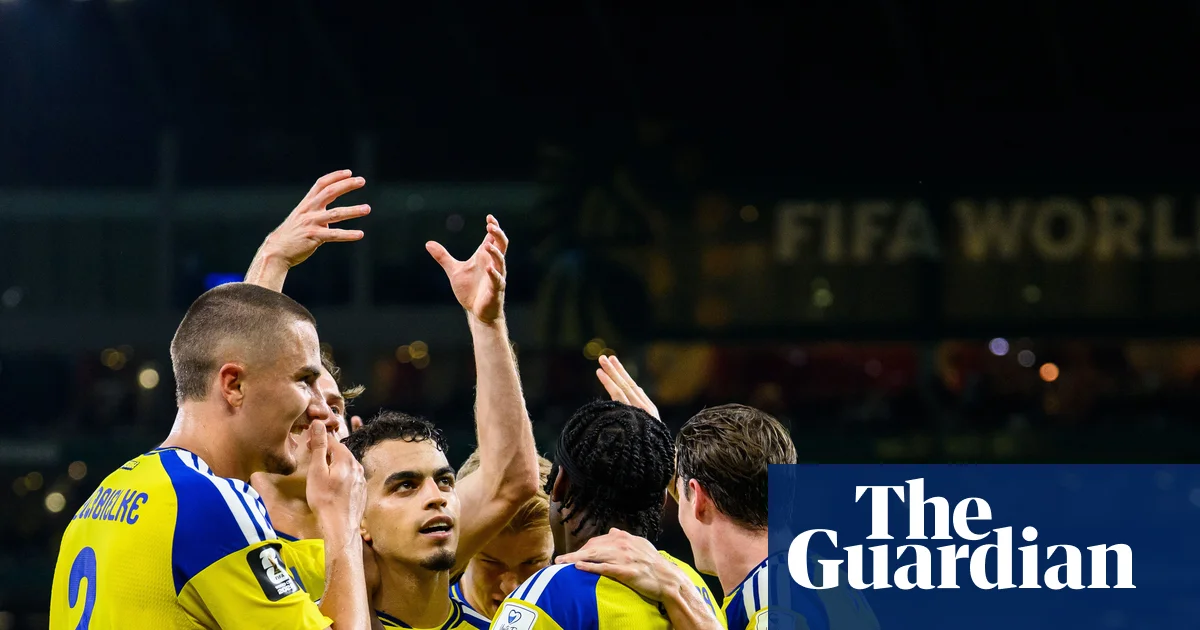
When considering Graham Potter, most fans envision a mild-mannered 51-year-old with a graying beard and a background as a former left-back for York City. However, his reputation has soared in Sweden, where he has become a beloved figure. Once seen as a manager in need of a fresh start after setbacks at Chelsea and West Ham, Potter’s journey has since transformed. Sweden, a nation that had never secured a World Cup qualifying win, proved to be the perfect match for him. His recent victory over Tunisia, while comfortable, signifies a continuation of his remarkable journey of renewal over these past nine months.
A Turnaround for Sweden
Sweden faced significant challenges during the qualifying rounds, grappling with injuries and poor performance that included losses to both Switzerland and Kosovo, alongside draws with Slovenia. Following a disappointing run, they dismissed manager John Dahl Thomasson, leading to Potter’s appointment. The team’s resurgence during the Nations League provided a glimmer of hope, and they capitalized on their playoff opportunities, defeating Ukraine and Poland to secure a spot in the finals. Potter hailed their win against Poland, marked by a dramatic last-minute goal from Victor Gökeres, as one of the best nights in football.
Potter’s Analysis
Reflecting on his team’s performance, Potter expressed satisfaction. Despite suffering an unexplained ear injury, he emphasized the collective effort, particularly from players Alex Isak and Gökeres. Although their time training together was limited, they demonstrated great synergy on the pitch, a testament to their developing chemistry.
Challenging Conditions in Mexico
The match took place under challenging atmospheric conditions, with dense clouds hanging over the Sierra Madre mountains and a kickoff temperature of 27 degrees Celsius creating a sticky playing environment. While there were brief hydration breaks to address the discomfort, a segment of the crowd expressed dissatisfaction, showcasing the growing sentiment against FIFA’s financial motives. However, the atmosphere lightened when a lively performer in a Stetson entertained the audience with accordion music.
Tunisia’s Coaching Changes
Tunisia, too, faced upheaval with a change in management. Sabri Lamouchi replaced Sami Trabelsi after leading Tunisia through the African Cup of Nations. Lamouchi made notable adjustments, incorporating 11 new players who had not participated in prior matches, five of whom were in the starting lineup.
Errors Define the Match
A key player for Tunisia, goalkeeper Abdelmouhib Chamakh, struggled significantly during the match, contributing to Sweden’s early goal. His hesitation while dealing with a long ball led to a blocked shot that was ultimately buried by Brighton’s Yasin Ayari. Born in Stockholm to a Tunisian father, Ayari’s goal marked a pivotal moment for him personally and for the Swedish team.
Sweden’s Resilient Finish
The situation worsened for Tunisia as Sweden continued to capitalize on defensive mistakes. Gökeres, who was instrumental in Ukraine’s win, found Isak in the center circle, leading to another goal as Chamakh failed to secure a routine save. While Tunisia attempted to play proactively, their early deficit and subsequent errors allowed Sweden to dominate the match. Even a glimmer of resistance from players like Omar Rekik before halftime faded as they struggled to recover from their mistakes.
Potter’s Ongoing Miracles
As Sweden faced mounting pressure, Chamakh inadvertently set up another goal when he failed to clear the ball effectively. Gökeres assisted in sealing an influential night with another score, while Matthias Svanberg, coming off the bench, quickly added to the tally. Ayari capped off the evening with his second goal, bringing his total to five for the night. While their prior match against Poland showcased focus on errors, this match against Tunisia highlighted the need for Sweden to create offensive opportunities independently. For now, the team is savoring their remarkable achievement of qualifying for the World Cup—a feat that seemed implausible only six months ago. Under Potter’s leadership, the impossible is unfolding.
