


Understanding the Emotional Impact of Mothers of Chibok
Director Joel Benson’s documentary, Mothers of Chibok, melds artistic brilliance with emotional depth, exploring the aftermath of Boko Haram’s kidnapping of over 300 schoolgirls in Chibok, northern Nigeria, in 2014. This tragedy stands as a stark representation of both terrorism’s brutality and the resilience of human spirit. Through Benson’s lens, viewers are introduced to the mothers and families at the heart of this narrative, who continue to endure, mourn, and challenge a world that has largely overlooked their suffering.
Artistic Mastery in Visual Storytelling
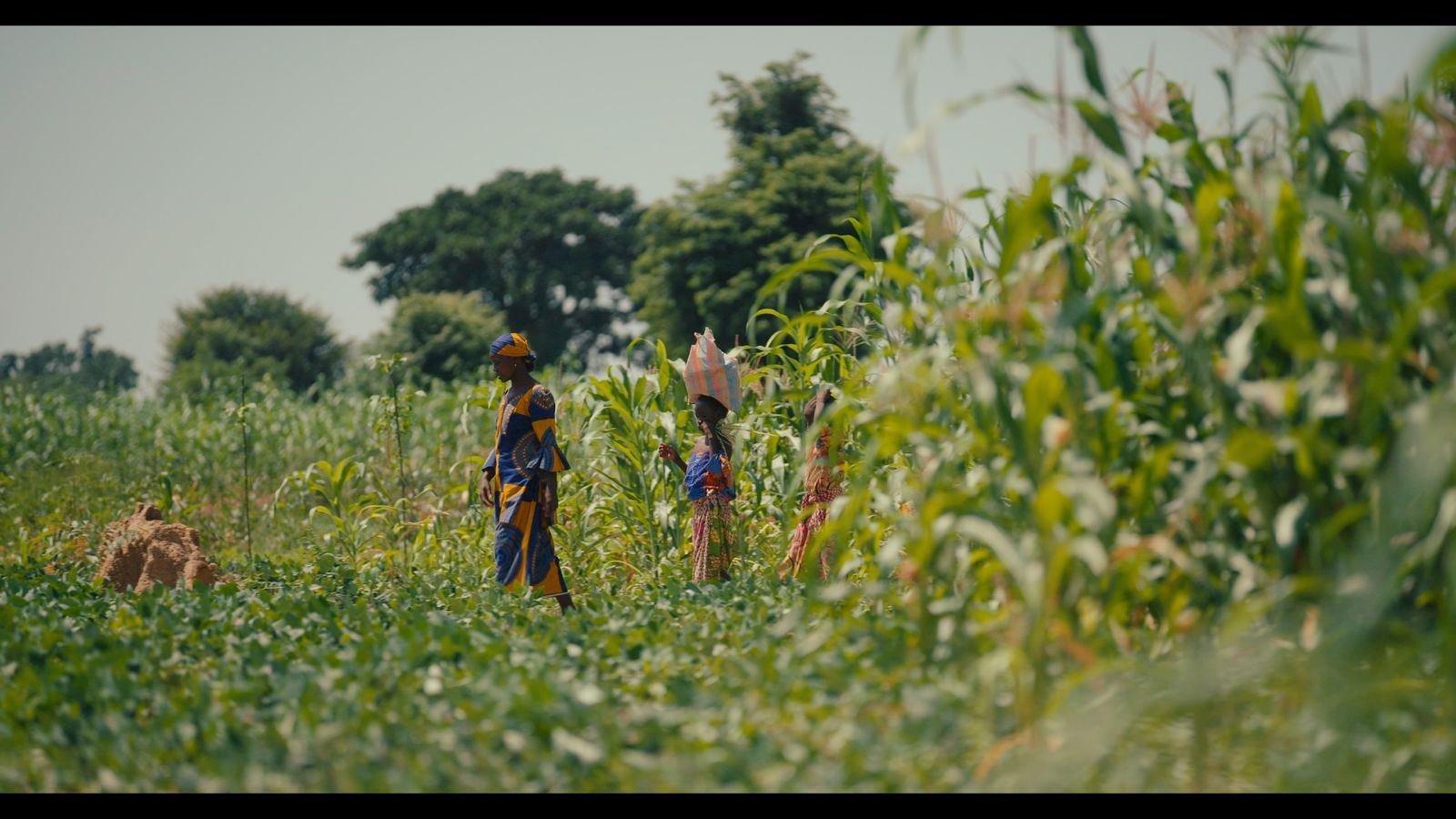
Visually, Mothers of Chibok is an artistic triumph. The film’s stunning cinematography masterfully combines vast landscapes with intimate portraits of individuals whose lives have been forever altered. Benson’s camera captures poignant moments of raw emotion—silent exchanges, tear-streaked faces, and fleeting smiles—that resonate deeply with viewers. The film’s pacing feels both organic and deliberate, navigating between emotional highs and lows, establishing tension and sadness without tipping into melodrama.
Attention to Detail Enhances Emotional Depth
Benson’s meticulous attention to detail is evident throughout the film. Each image serves a purpose, while the subtle music guides viewers’ emotional responses to the scenes unfolding. The carefully crafted subtitles deliver essential information without overwhelming the audience, allowing silence—at times awkward, at times heartbreaking—to convey profound truths. The film’s editing enhances immersion in the day-to-day realities of Chibok, portraying a community continually disrupted by violence. Even amidst despair, there is a profound beauty captured in their struggle.
A Tribute to Unyielding Mothers
At its core, Mothers of Chibok honors the relentless spirit of the women who have lost daughters to Boko Haram yet believe fervently in the value of girls’ education. In a society where girls’ education faces constant threats, these mothers refuse to surrender their hopes. The film highlights their arduous lives: farming in challenging conditions, selling peanuts and maize at local markets, and enduring ongoing threats from terrorist forces. Their resilience remains unbroken.
The Heavy Emotional Burden of Waiting
Underlying their struggle is the haunting truth that, although some girls have been rescued, many still remain captives, hidden in the dense Sambisa forest. These mothers are not merely surviving; they are waiting—clinging to hope for their daughters’ return. Through Benson’s lens, the emotional toll becomes clear. The uncertainty they endure transcends political tragedy, revealing a deeply personal anguish captured in each intimate moment of sorrow, yearning, and resolve.
Depicting Heroes, Not Victims
Benson excels in showcasing the dignity of these women, portraying them not as victims, but as warriors and heroes. They resist Boko Haram’s oppressive forces while grappling with the indifference of a government that has fallen short in its duty to protect them. The Mothers of Chibok embody the resilience of the human condition often stripped away by extremism and governmental neglect. This film transcends a narrative of loss; it serves as a rallying cry. As Nigeria continues to face the repercussions of this tragedy, viewers are urged to reflect on their country’s current state. Amidst the pervasive cynicism and discontent voiced on social media, Benson’s work offers a contrasting call for courage, empathy, and determination, compelling us to rise above an atmosphere of apathy and self-pity.
Resilience and Hope in the Face of Adversity
Mothers of Chibok imparts profound lessons on resilience and grace. Despite unimaginable suffering, these women emerge as symbols of unwavering strength, demonstrating that their lives may be irrevocably changed, but their hope remains unshaken. This documentary is a masterclass in filmmaking—visually breathtaking, emotionally compelling, and narratively rich. Benson presents remarkable portraits of extraordinary women, whose determination exemplifies the power of hope amid fear. The film not only tells their stories but also restores their dignity and heroism.
Femi Odugbemi, a filmmaker, academic, and founder of Zuri24 Media and BlackBox, writes from Lagos.
