


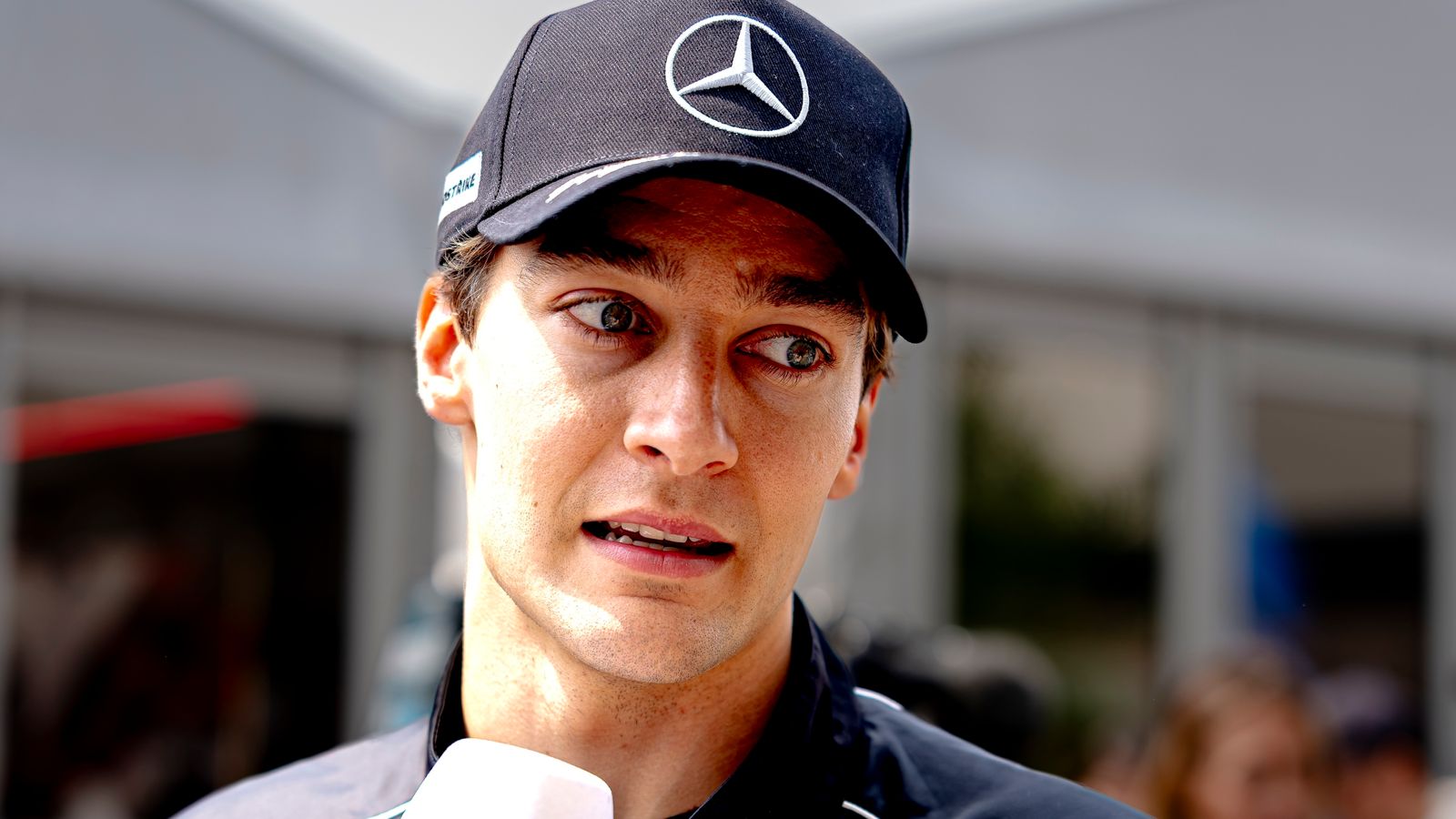
George Russell believes that a single extra lap could have changed the outcome of the Japanese Grand Prix, allowing him to clinch victory during the Suzuka race. Instead, he finished fourth, relinquishing the lead in the drivers’ championship to his Mercedes teammate, Kimi Antonelli, now trailing by nine points after three races.
The race was notably impacted when Oliver Bearman crashed his Haas during his only pit stop, prompting an early safety car deployment. This incident allowed Antonelli to seize the lead while he was strategically pursuing McLaren’s Oscar Piastri and Ferrari’s Charles Leclerc, both of whom were ahead until the pit stops concluded.
Russell expressed his frustration clearly, noting that he was the last of the top contenders to pit, doing so just seconds before Bearman’s collision occurred. This timing drastically altered his race strategy, leaving him to navigate a challenging recovery afterwards.
During the race, Russell communicated his disbelief over the radio, asserting that with a one-lap difference, he could have won. After the safety car restart, he found himself stuck behind fellow competitors, making it increasingly difficult to regain his competitive edge.
Safety Car Dynamics and Performance Implications
After the safety car came in at the end of lap 27 out of 53, Russell was momentarily in third place but soon fell behind both Hamilton and Leclerc. He eventually managed to reclaim fourth place after overtaking Hamilton. Russell explained that at the restart, his car reached the “harvest limit,” which restricted its battery recharging capability; a challenge many teams experienced early on, impacting his overall performance.
Assessing Strategic Opportunities
Had Russell executed an earlier pit stop under the safety car, he might have gained the lead, but Antonelli had the momentum and speed to pull away as the race progressed. A tire change from medium to hard might have provided an opportunity for Russell to reset his pace, but instead, he faced a relentless battle against Ferrari, indicating he could have increased pressure on his teammate had circumstances played out differently.
Setup Challenges and Their Impact on Performance
Russell’s performance over the weekend was hampered by setup issues that carried over from Saturday’s qualifying session. Despite securing a second-place start—three-tenths slower than Antonelli—he struggled to adapt to the challenges posed by the car’s configuration. Consequently, both he and Antonelli experienced a significant drop at the start of the race, diminishing their competitive positions.
Toto Wolff, Mercedes team principal, explained the collective mistakes contributing to Russell’s struggles. He noted that these issues compromised Russell’s ability to maintain his initial lead and put him at a competitive disadvantage compared to Leclerc, who was able to capitalize when the opportunity arose. Wolff’s efforts to defend against Leclerc by pitting Russell were tactical but ultimately complicated the race for him.
The Formula 1 season continues with the Miami Grand Prix from May 1-3, featuring the second sprint weekend of the year. Fans can catch the race live on Sky Sports F1.
