


Father’s Struggle to Reunite with Daughter Highlights Immigration System Flaws
In McAllen, Texas, a father faced a harrowing five-month wait to reunite with his 3-year-old daughter after she crossed the U.S.-Mexico border with her mother. The family sought a safe reunion, but the process was fraught with challenges and delays.
The father’s journey took a disturbing turn when, after turning to the courts as a last resort, he discovered that his daughter had been sexually abused in a protective care home following her separation from her mother. “She had been there for a very long time,” said the father, a legal permanent resident of the United States. He expressed the pain of feeling powerless, believing that timely intervention could have prevented the abuse.
This situation reflects broader shifts initiated by the Trump administration, which aimed to increase the detention of immigrant children. Following the introduction of new policies last year, the average time children spent in custody surged significantly. The federal government later moved to end essential protections for immigrant children in its care, consolidating its focus on indefinite family detention.
Despite the father’s persistent efforts to facilitate his daughter’s release from foster care, he encountered repeated obstacles, with government officials citing a lack of available fingerprinting appointments. During this delay, his daughter was placed in a foster care facility in Harlingen, Texas, where she disclosed that she had been sexually abused by an older child.
The federal Office of Refugee Resettlement (ORR) informed the father of an “accident,” indicating that his daughter would undergo testing. However, upon inquiring further, he faced barriers to understanding her circumstances, as officials stated they could not share additional details during the ongoing investigation.
Following her forensic examination and interview, the alleged perpetrator was removed from the foster care program, yet the father remained unaware of the details surrounding the abuse. Lauren Fisher Flores, an attorney representing the child, noted that this case underscores the severe lack of protection for children in government custody, stating that “children should be safe and they should be with their parents.”
Policy Changes Under Trump’s Administration Impact Children’s Length of Detention
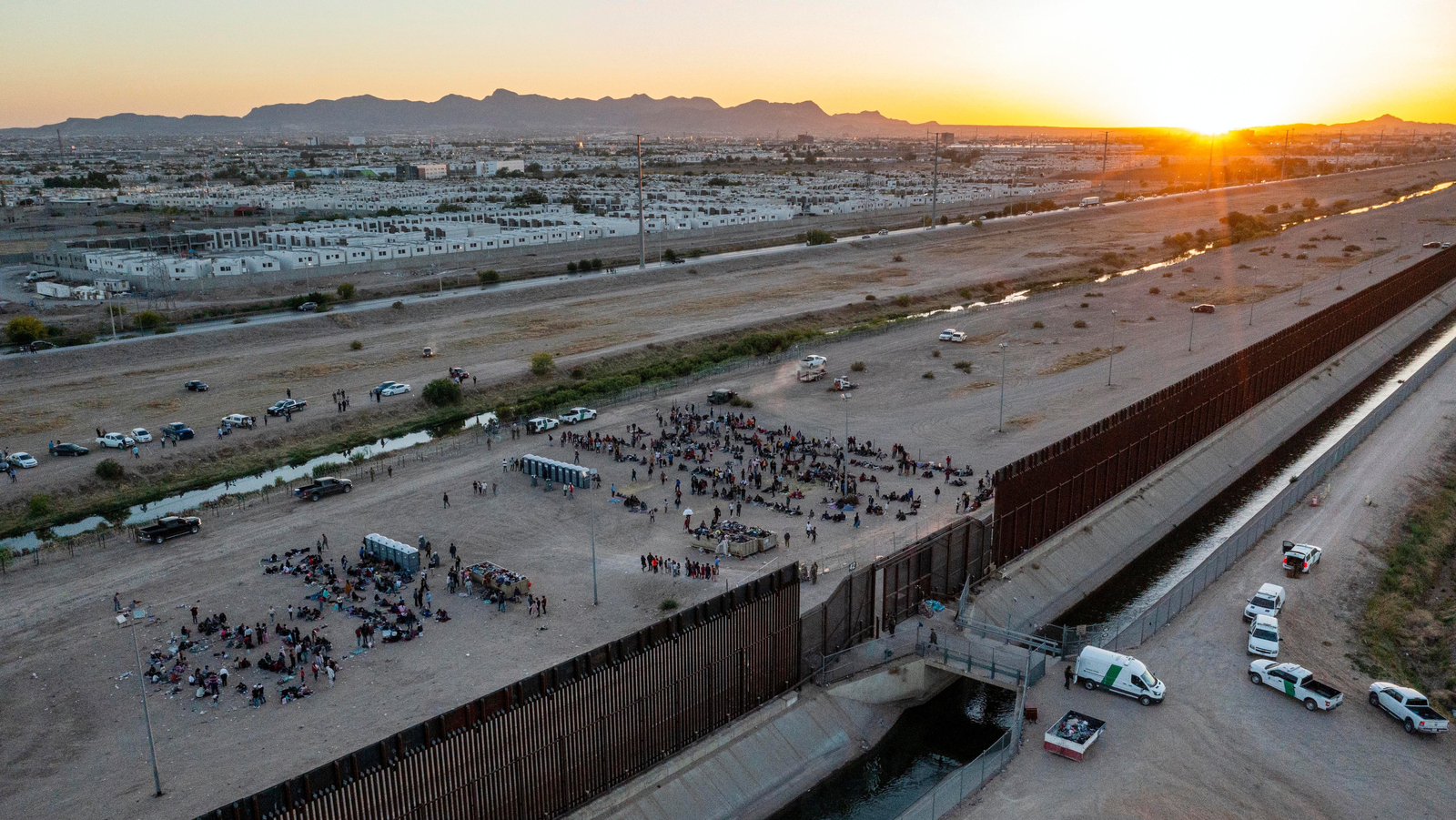
The father and daughter’s ordeal began when they crossed the border illegally on September 16 of last year. After the mother was detained and later charged with making false statements, the toddler was placed under ORR’s care, which oversees the welfare of immigrant children in shelters and foster homes.
Changes to ORR’s release policies under the Trump administration compounded the challenges for families. More stringent document requirements for sponsors and increased pressure on unaccompanied minors contributed to longer detention times. Legal advocates anticipated that these policy changes would lead to prolonged detentions, prompting them to file lawsuits against such practices.
The average length of time children spent in ORR custody escalated from 37 days at the start of the Trump administration to nearly 200 days in February of this year. During this period, the number of children in ORR’s care was significantly reduced, raising alarms among child advocacy groups who were compelled to utilize habeas petitions to facilitate the release of these children.
According to Fisher Flores, legal director of the American Bar Association’s ProBar Project, her organization had not previously filed habeas petitions for children until this administration. Legal interventions have become essential for expediting the release process for desperate parents seeking to reunite with their children.
Delayed Response to Abuse Discovery Raises Alarm
After enduring months of setbacks, the father’s legal team requested permission in February to process his fingerprints, conduct a home visit, and schedule a DNA test. Yet, ORR continued to delay, offering no clear timeline for the anticipated release.
Only after filing a habeas petition in federal court did the ORR act, permitting the father to reunite with his daughter shortly thereafter. It was during this critical preparation phase that the father discovered the alarming truth behind the term “accident” used by authorities—a term that masked the serious nature of the abuse.
This narrative underscores the urgent need for effective legal frameworks to protect vulnerable children in the immigration system. Advocacy groups have emphasized the necessity of challenging harmful policies in federal courts that violate children’s rights.
The father’s heart-wrenching reunion with his daughter was bittersweet; while joy accompanied the moment, the toll of five months of separation became evident as he noticed her behavioral changes. Now residing with her grandparents in Chicago, the family faces the uncertainty of the ongoing immigration process, reflecting the trials many families endure within the fractured immigration system.
