


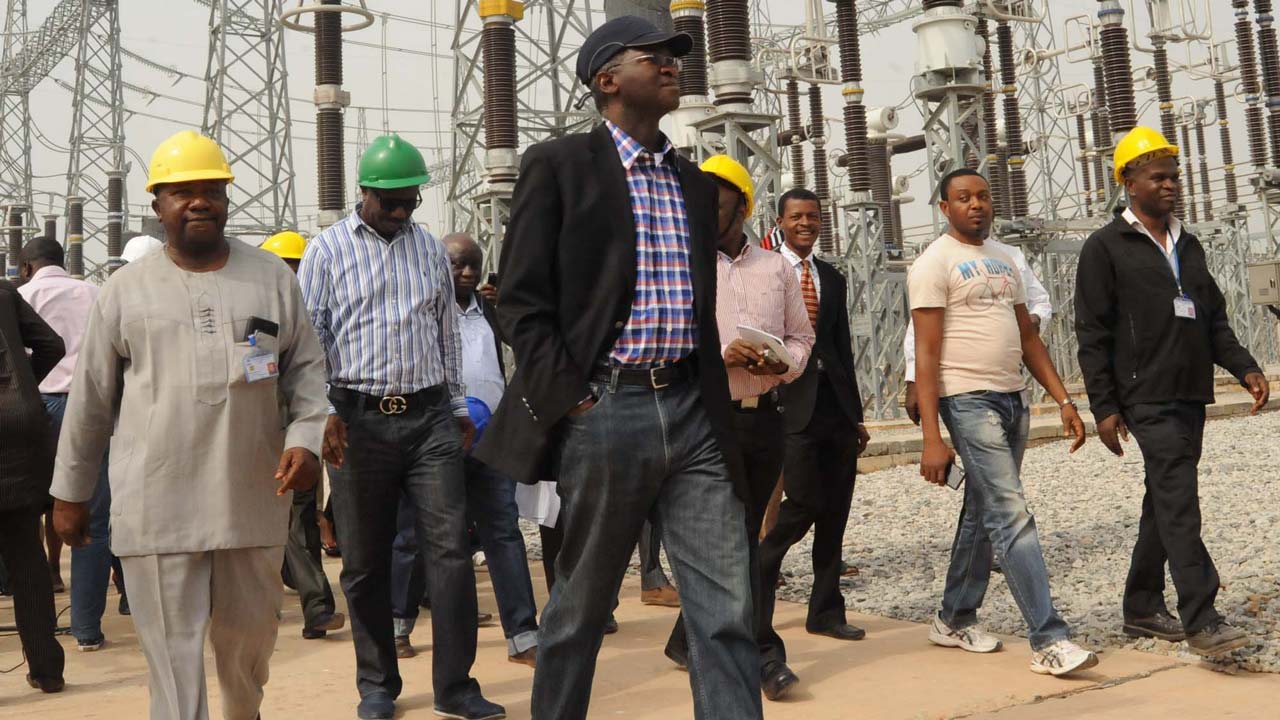
Buhari Administration’s Focus on Power, Security, and Economics
When the All Progressives Congress (APC) government, led by President Muhammadu Buhari, took office on May 29, 2015, it quickly identified three critical areas for immediate improvement: power, security, and economics. At the time, Nigeria was grappling with severe challenges in all three sectors, underscoring the necessity of their focus.
The Challenge of Electricity in Nigeria
Electricity has long been a persistent issue in Nigeria, contributing to chronic economic stagnation and widespread hardship for many citizens. Addressing power challenges is essential for any comprehensive plan to revitalize the nation. The complexity of Nigeria’s energy sector is compounded by decades of inadequate infrastructure and systemic inefficiencies.
Security Concerns Hampering Economic Growth
Security was also a pressing concern, especially with the threat posed by Boko Haram in the northeast. The fear generated by this violence extended beyond the region to the federal capital of Abuja and areas in the south, such as Kogi, severely damaging economic activity and deterring foreign investment. In a climate of insecurity, businesses are hesitant to engage, further complicating economic recovery.
The Economic Fallout from Declining Oil Prices
The decline in oil prices, Nigeria’s primary revenue source, exacerbated the country’s economic woes, pushing it deeper into crisis. The dual pressures of reduced oil income and persistent security issues illustrated a complex landscape of systemic dysfunction where power crises and economic stagnation were intertwined.
Complexities in the Power Sector
Drawing on over three decades of experience in the power sector, I understand the challenges linked to addressing these multifaceted issues. The uncertainty and frustrations behind the APC government’s early attempts to address these problems are palpable. The initial enthusiasm evident in their approach often clashed with the reality of deeply entrenched systemic obstacles, leading to perceptions of inefficacy.
Progress Through Innovative Solutions
Despite these hurdles, the APC government has remained committed to its initiatives. By investing in power sector reforms, the administration aims to tackle liquidity issues that have historically disrupted electricity supply. The introduction of a 701 billion naira payment guarantee program seeks to alleviate some of these financial barriers by ensuring prompt payments to gas and power generation companies while simultaneously working to overhaul the distribution landscape.
Partnerships and Ongoing Projects
The Power Sector Recovery Program (PAP), launched in March 2017 and backed by the World Bank, aims to restore financial sustainability to Nigeria’s electricity supply chain. Leaders from both the Nigerian government and the World Bank have expressed renewed commitment to mobilizing private sector investments, which is crucial for reforming the energy landscape. Projects underway include progress on the Zunger hydropower plant and the Katsina Wind Farm, among others, each contributing to a progressively reliable electricity supply.
Monitoring and Future Expectations
As the landscape of the power sector evolves, the efficient management of resources and projects will be paramount. Ensuring that stakeholders remain engaged and informed throughout the process will be critical for achieving desired outcomes. The Nigerian government and its partners must remain vigilant to harness the potential of these investments, ultimately striving to provide a stable energy environment that supports economic growth and improves the quality of life for millions.
Mr. Oke, an experienced technical advisor formerly associated with the Ministry of Power, resides in Abuja.
