


US Negotiates Second Round of Peace Talks with Iran
U.S. officials are currently in Pakistan exploring the potential for renewed peace negotiations with Iran. Optimism is on the rise as Iran has issued threats to disrupt Red Sea trade unless the United States lifts its naval blockade on Iranian ports.
Diplomatic Efforts Amplified by Pakistan
A new Pakistani delegation arrived in Tehran bearing messages from Washington, after U.S. President Donald Trump indicated that discussions could resume this week, following a previous round of unsuccessful talks in Islamabad.
White House Confirms Ongoing Discussions
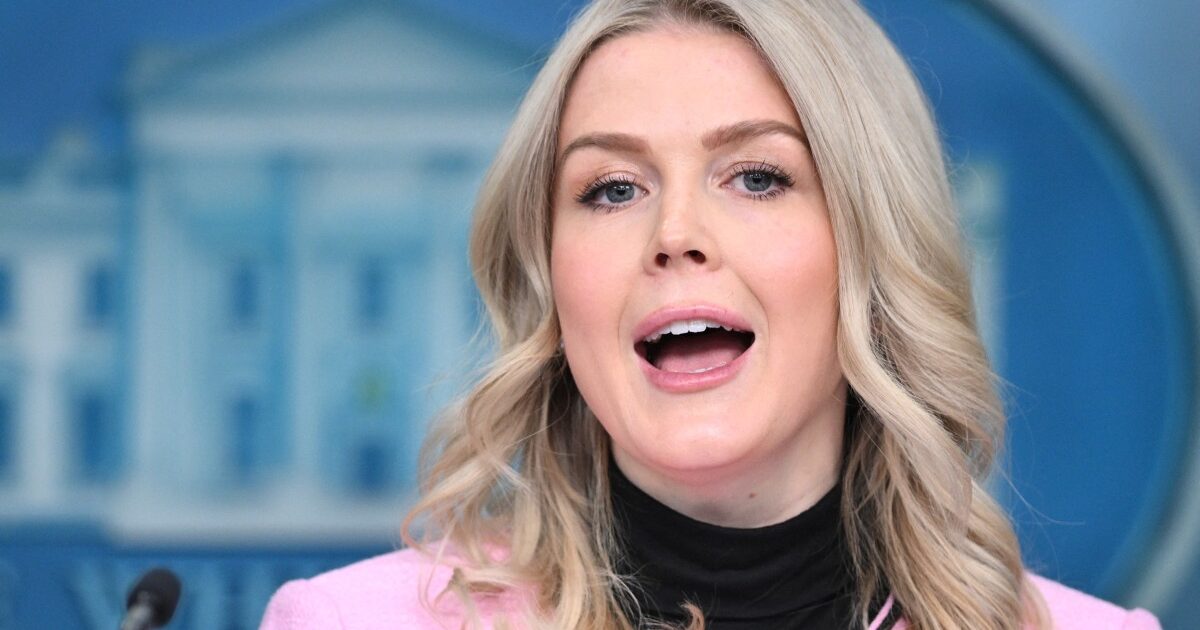
White House Press Secretary Caroline Levitt expressed confidence that further discussions are likely to occur in Pakistan’s capital, stating, “Those discussions are happening and we feel good about the prospects for an agreement.”
Pakistan’s Prime Minister’s Diplomatic Push
The increased hope for an agreement follows a four-day diplomatic initiative led by Pakistan’s Prime Minister Shehbaz Sharif, which included discussions with Saudi Arabia’s Crown Prince Mohammed bin Salman.
US Offers Comprehensive Deal to Iran
U.S. Vice President J.D. Vance, who spearheaded the first round of negotiations, noted that Iran is being presented with a “grand deal” that aims to resolve Israel’s ongoing conflict with the United States and to address longstanding concerns related to Iran’s nuclear program.
Geopolitical Tensions Surrounding the Strait of Hormuz
Israeli Prime Minister Benjamin Netanyahu reiterated that both Israel and the United States share objectives, including the removal of enriched materials from Iran and the reopening of the strategically important Strait of Hormuz. This strait is critical, as it typically facilitates one-fifth of the world’s oil supply but has faced blockades by Iranian forces since the onset of military tensions.
Economic Consequences and Market Reactions
On the economic front, IMF chief Kristalina Georgieva cautioned that unresolved conflicts and high oil prices could lead to severe challenges for the global economy. Despite these warnings, optimism regarding potential peace agreements propelled major stock indexes on Wall Street to record highs, while oil prices experienced a decline.
US Imposes Further Sanctions on Iran’s Oil Sector
The U.S. government is intensifying its pressure on Tehran through a blockade that aims to cut off its maritime trade. U.S. Central Command reported successfully halting all sea trade with Iran, resulting in a complete blockade of its ports. Additionally, new sanctions targeting Iran’s oil industry were enacted, focusing on individuals considered elite within the Iranian regime.
Heightened Military Tensions in the Region
Iran has warned that failure to lift the blockade could threaten the existing ceasefire and escalate military tensions. The Iranian military’s Central Command stated that it will not permit trade across critical waterways unless the blockade is removed. Furthermore, a military adviser to Iranian Supreme Leader Mojtaba Khamenei claimed that American vessels could be targeted if the U.S. continues with its sanctions and blockades.
Continued Negotiations on Nuclear Proliferation
President Trump has maintained that any agreement with Iran must include a permanent prohibition on acquiring nuclear weapons. The U.S. has proposed a 20-year moratorium on Iran’s uranium enrichment, while Iran has suggested a five-year halt, a proposal the U.S. has dismissed. Moreover, Iran claims its nuclear pursuits are solely civilian in nature, while expressing that the level of enrichment remains negotiable.
Prospects for Broader Middle Eastern Peace Talks
Recent developments also saw Israel and Lebanon engage in direct dialogues aimed at resolving longstanding disputes. Although President Trump mentioned a planned meeting between the leaders of Israel and Lebanon, reports indicated that Lebanon was unaware of impending discussions. Netanyahu emphasized critical objectives, including the dismantling of Hezbollah and achieving sustainable peace through military might, reflecting the complexities in Middle Eastern geopolitics.
