


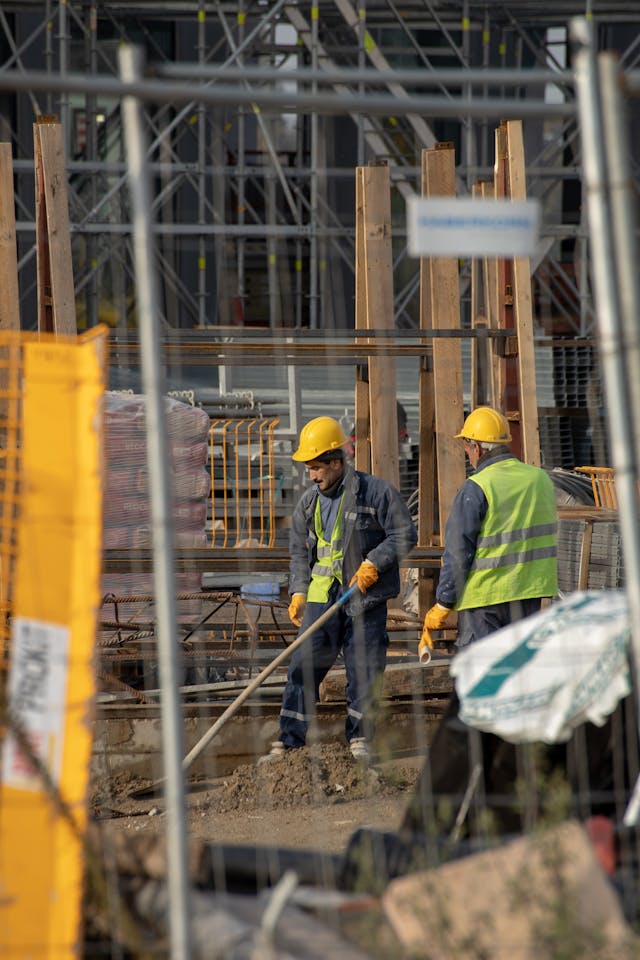
Rising Concerns Over U.S. Immigration Rates and Their Impact on Construction Labor
As immigration dynamics shift within the United States, the construction industry is poised to encounter a significant labor shortage. Experts have raised alarms about the potential for negative immigration rates, which could exacerbate existing challenges in workforce availability.
According to an analysis by the National Association of Home Builders using U.S. Census Bureau data, immigrants are projected to constitute a record 26.3% of the construction workforce by 2024. This increasing reliance on foreign-born labor poses risks due to possible policy changes and evolving immigration patterns.
Industry analysts indicate that this decline could significantly affect the commercial construction sector, which is already grappling with a scarcity of skilled labor across various trades.
Currently, nearly one-third of trade workers in construction, including electricians, plumbers, and welders, are immigrants. In highly specialized areas such as drywall installation and roofing, the percentage of foreign-born laborers exceeds 50%.
Labor Dependency and Policy Challenges
The concentration of immigrant labor underscores the vulnerability of the construction industry to fluctuations in immigration policy. Ken Simonson, chief economist at the Associated General Contractors of America, notes that foreign-born workers are especially prevalent in residential construction roles.
Commercial contractors are not insulated from these challenges. Kristen Swearingen, vice president of government affairs at Associated Builders and Contractors, emphasized the essential link between immigration trends and project timelines.
“Commercial contractors must closely monitor immigration data, as it affects labor availability and their capacity to meet project demands,” Swearingen stated.
Notably, the highest percentage of immigrant workers recorded occurred just before Donald Trump took office in January 2025. Since then, stricter enforcement measures have created an atmosphere of uncertainty in the workforce.
Declining Immigration Trends Highlight Labor Risks
Recent statistics indicate a sharp decline in immigration levels. The Census Bureau forecasts that net immigration will drop from 2.7 million by July 2024 to approximately 1.3 million in 2025, dwindling further to around 321,000 in 2026.
A report from the Brookings Institution suggests that the U.S. may already be experiencing negative net immigration, predicting a range between -10,000 and -295,000 in 2025.
“This highlights the construction industry’s vulnerability to immigration policies that effectively close borders to potential workers,” Simonson remarked. “Current measures are already dissuading some workers from entering the field.”
The tightening of immigration controls is leading to apprehensions among workers, even without widespread enforcement actions. Swearingen noted that contractors are reporting increased concerns among employees about potential detentions, despite being in the U.S. legally.
This atmosphere of fear is contributing to project delays and budget overruns, as contractors struggle to maintain a sufficient workforce.
Industry Advocates Seek Solutions to Workforce Shortages
.jpg)
In light of these challenges, construction industry groups are urging policymakers to broaden legal pathways for foreign-born workers. Simonson emphasizes that the industry needs the ability to sponsor jobs when qualified candidates are unavailable domestically.
Swearingen expressed hope for a market-driven visa system that could address labor shortages long-term. “With the right provisions, this solution can fortify America’s immigration laws and create avenues for essential workers,” she noted. “Aligning access with market demands will ensure that the construction workforce reflects economic realities better, thus stabilizing costs and project timelines.”
As immigration patterns evolve, industry leaders caution that without necessary policy modifications, the construction sector could face an extended labor deficit, which would hinder national growth and postpone essential infrastructure projects.
Original reporting by Construction Dive senior editor Zachary Phillips.
