


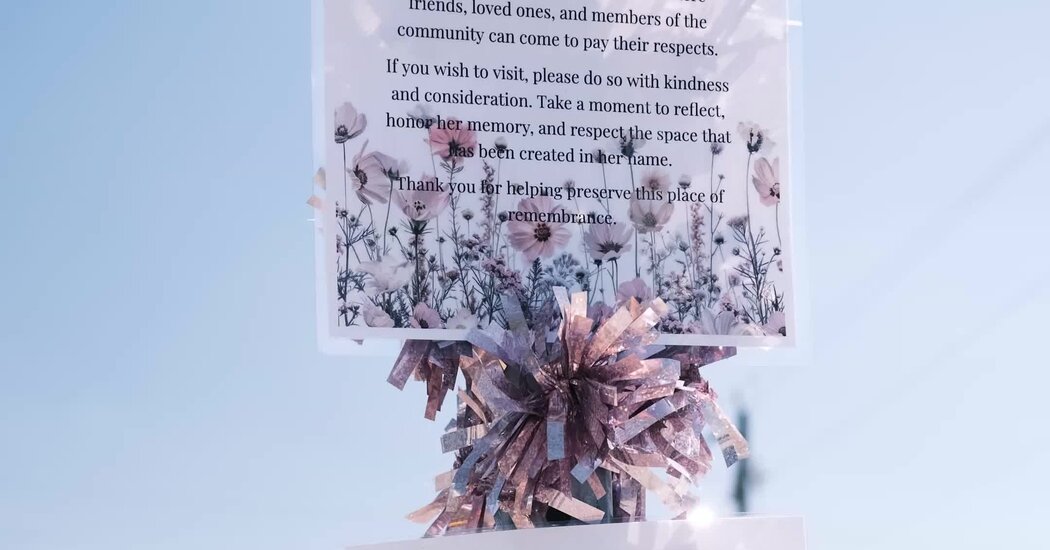
Early Morning Routine of an Immigrant Worker Ends in Tragedy
Nilfa Easmin began her day at the D&D convenience store by 6 a.m., her dedication evident as she recited a short Islamic prayer before starting her shift. Clad in a headscarf, she sold snacks, cigarettes, and gasoline in a working-class neighborhood of Fort Myers, Florida. By 3 p.m., Easmin transitioned to her second job at a nearby 7-Eleven, where long hours awaited her.
A Life of Resilience Cut Short by Violence
Easmin, a 51-year-old Bangladeshi native who immigrated to the United States in the 1990s, had long been a part of South Florida’s extensive immigrant labor force. However, her life of determination came to a tragic end on April 2, when she was brutally killed by a man wielding a hammer. The suspect, Rolbert Huachin, a 40-year-old immigrant from Haiti, had entered the U.S. after being smuggled via boat four years earlier.
Political Repercussions Following the Incident
The murder garnered national attention when President Trump shared surveillance footage of the incident on his social media platform, Truth Social. He seized the opportunity to critique liberal immigration policies and claimed that they had permitted “millions of criminals” to enter the country.
Nuanced Narratives in the Face of Political Rhetoric
Focusing on Huachin, Trump’s portrayal overshadowed Easmin’s story and sparked further criticism of the Biden administration’s extension of a program that shields Haitians from deportation. Trump has long targeted Haitian immigrants, calling for the termination of this protection for approximately 350,000 individuals. Upcoming Supreme Court hearings may influence the future of this policy.
Complicated Paths to Citizenship
The Department of Homeland Security confirmed that Easmin had secured her citizenship through legal means. However, her life and death illustrate the complexities faced by many immigrants in America. Reports suggest that she may have resorted to a sham marriage to facilitate her residency, a reflection of the dysfunction within the U.S. immigration system that complicates legal immigration for many.
A Journey Defined by Hardships and Sacrifice
Easmin arrived from Bangladesh in 1996 to join her brother, Mohammed Hossain, who had won the visa lottery and later secured a green card. Their family’s struggles highlight the sacrifices made in pursuit of the American dream. Soon after her arrival, Easmin gave birth to her first daughter, after which she returned to Bangladesh but eventually relocated back to Miami, balancing the challenges of family life and work.
Details About Huachin’s Background Emerges Amid Political Debate
Huachin’s past remains largely unknown, with few public records available. After entering the U.S. in August 2022 and undergoing detention, he was granted temporary protected status in 2023. Eyewitness accounts describe him as quiet during his time in Lakeland, Florida, where he faced difficulties after losing housing when a rented property burned down.
Calls for Unity and Understanding Following Tragedy
In the wake of Easmin’s death, local Haitian and Bangladeshi organizations urged the public not to exploit the incident for political gain. They emphasized that the actions of one individual do not reflect the broader immigrant community. Hossain expressed a complex mixture of gratitude towards Trump’s acknowledgment of their family’s plight while recognizing that criminal behavior among some immigrants is a valid concern.
