


Shifting Accountability in Nigeria’s State Governments
For years, discussions surrounding accountability in Nigeria primarily centered on the federal government, leaving state administrations largely unchecked despite their crucial roles in managing substantial public resources and delivering essential services. Accessing budgetary information was a challenge, procurement processes often shrouded in secrecy, and financial reporting inconsistent. However, recent developments indicate that local governments are enhancing transparency and accountability, although significant gaps remain.
Driven by Reform and Civic Engagement
This shift toward greater accountability is not coincidental; it has emerged from sustained institutional reform, civil society advocacy, and robust citizen engagement aimed at fostering public oversight of national finances. Among the organizations spearheading this transformation is BudgIT, a civic tech initiative that has dedicated over a decade to empowering citizens across Nigeria’s 36 states to comprehend their financial landscapes and advocate for improved governance.
Enhancing Fiscal Transparency at the State Level
At the state level, BudgIT’s initiatives extend beyond mere critiques and reviews. The organization actively assists local governments in bolstering fiscal transparency, refining budgeting processes, and increasing public participation. Through a combination of technical support, policy advocacy, budget analysis, and the dissemination of fiscal data, BudgIT has established systems that facilitate a clearer understanding of how public resources are allocated and utilized by the government.
Notable Progress in Budget Transparency
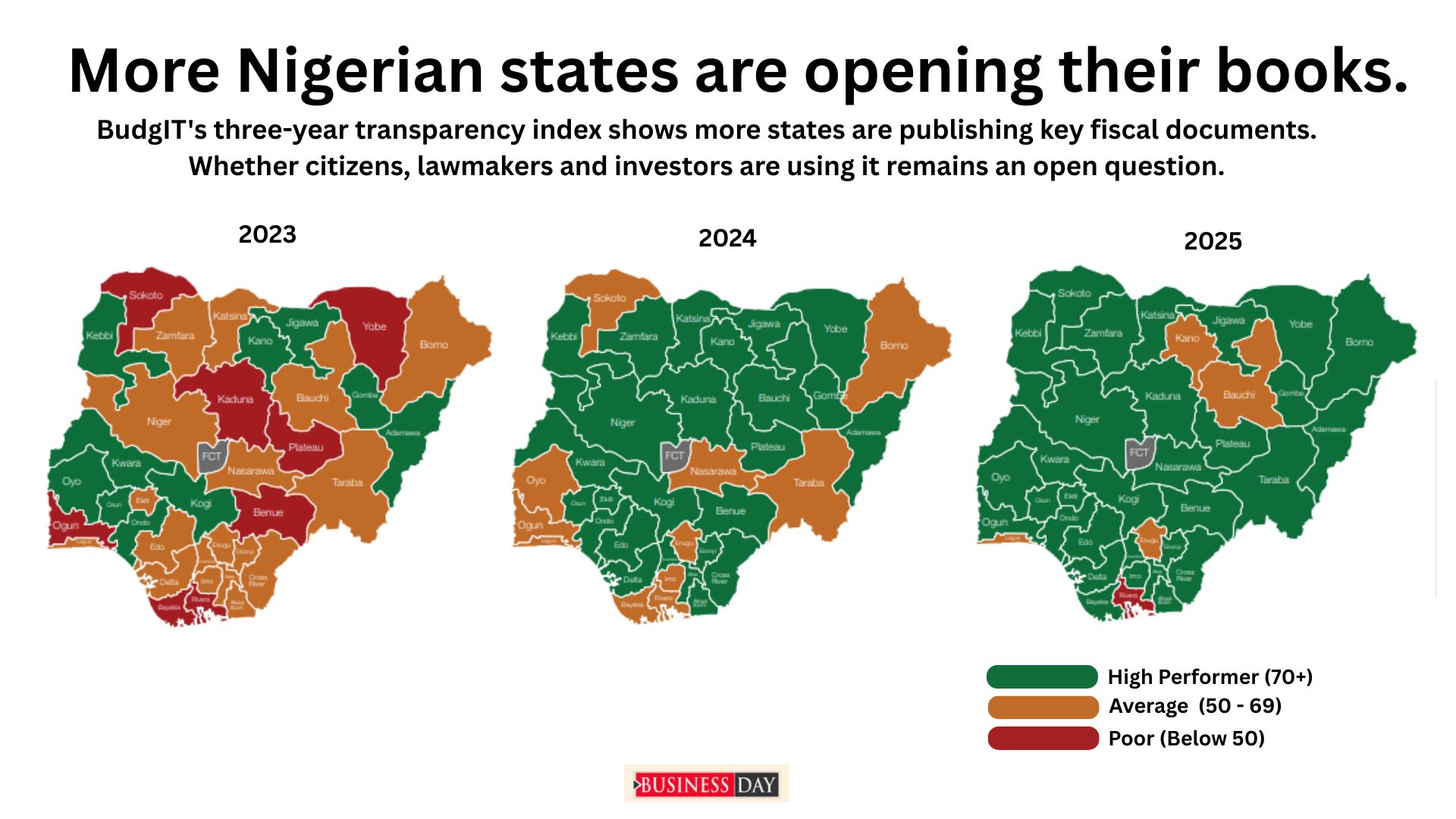
Progress is evident. A decade ago, only a handful of states in Nigeria made their budgets publicly available. Today, most states now publish draft budgets, approved budgets, citizen-focused budgets, quarterly reports, and additional financial documents. This increased transparency enables citizens, journalists, researchers, and civil society organizations to more effectively monitor government spending. While the degree of transparency varies, there is a growing recognition among governors and public officials that openness is becoming essential.
Facilitating Public Engagement and Dialogue
A key initiative at the local level is the “State of the State” series, which convenes comprehensive discussions every Wednesday. This platform brings together stakeholders and technical experts from various states to evaluate fiscal sustainability and performance. The series has seen significant public participation, providing citizens the opportunity to engage directly with state representatives and voice their concerns regarding state governance. It serves as a critical resource for policymakers, development partners, investors, researchers, and the public to better understand how states generate revenue, manage expenditures, and strategize for long-term economic growth.
Evaluating Fiscal Transparency Practices
Complementing these discussions is the introduction of the State Fiscal Transparency League Table, designed to assess how states disclose essential financial information. This initiative emphasizes transparency practices rather than solely fiscal performance. It measures whether states publish vital documents—including medium-term spending frameworks, approved budgets, quarterly reports, procurement records, and audit reports—timely and accessibly.
Strengthening Partnerships for Governance Improvement
BudgIT has transitioned from advocacy to active collaborations with state governments. The organization is currently working closely with the governments of Anambra, Ebonyi, Kaduna, Kogi, and Delta states, formalizing these relationships through memorandums of understanding aimed at enhancing transparency, accountability, and public financial management. Such partnerships indicate a growing willingness among certain states to leverage external expertise for governance enhancement.
Creating Lasting Impact Through Transparency
Questions remain about whether citizens will genuinely feel the impact of these initiatives, and increasingly, the answer is affirmative. As state budgets become available, citizens can pose informed inquiries regarding key sectors such as infrastructure, healthcare, and education. Journalists are empowered to investigate inconsistencies between planned projects and their execution. Moreover, civil society organizations can effectively monitor procurement processes and budget management, equipping community advocates with concrete evidence to demand accountability regarding service delivery.
Ongoing Challenges to Fiscal Openness
Despite these advancements, challenges persist. Procurement transparency remains inadequate in many regions, and implementation reports are frequently incomplete. Moreover, public awareness regarding the availability of fiscal data continues to lag; many citizens remain unaware that state budget documents are accessible online or how to interpret them for advocacy efforts. This underscores the importance of continued grassroots initiatives to not only compel governments to disclose information but also to demystify complex financial data, educate the public, and foster accountability.
BudgIT’s Vision for Better Governance
While the narrative of governance in Nigeria is often dominated by events in Abuja, the reality is that the quality of life for most citizens is shaped by decisions made at the state level. Local infrastructure, health systems, education, and economic opportunities are closely linked to state governance. While the journey toward enhanced transparency and accountability is ongoing, one thing is clear: the efforts to improve fiscal oversight at the state level are making strides, and BudgIT will persist in its commitment to align public finances with citizen understanding and the broader public interest.
Oluwatosin Iseniyi serves as a senior research and policy analyst at BudgIT.
