


While we may not always have the answers, we know exactly whom to consult. That’s why we bring you a series featuring experts who will address pressing questions on topics like lip balm safety and optimal hair-washing frequency.
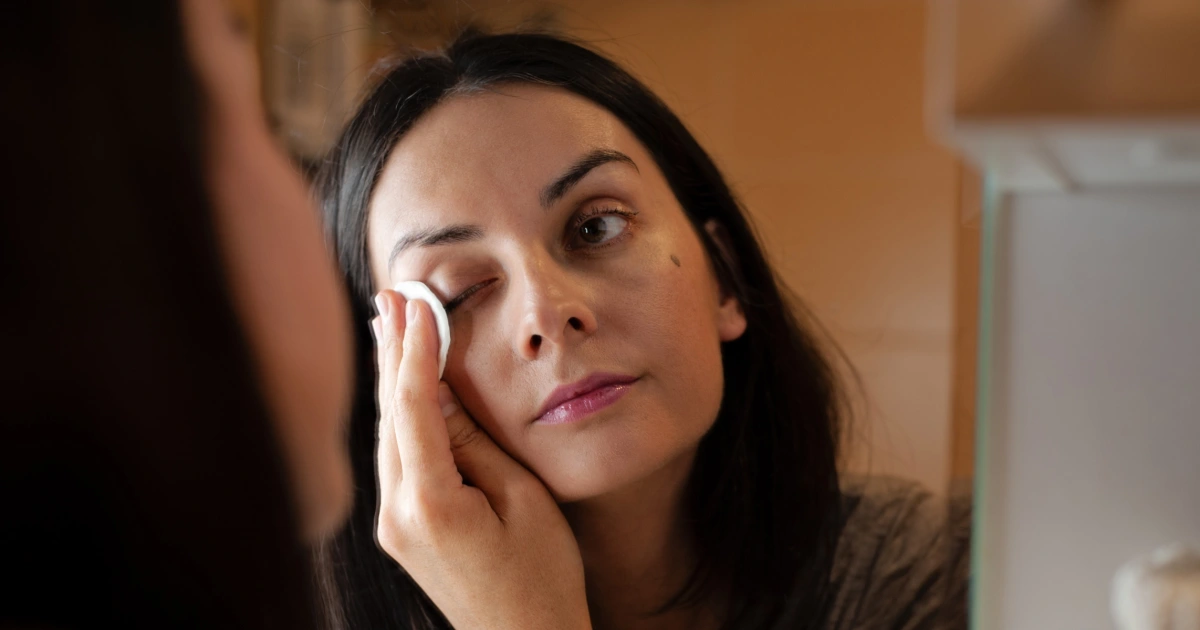
After a long day, removing makeup with a single swipe can be immensely satisfying. Makeup wipes offer a quick and convenient solution, eliminating the need for a trip to the sink. However, their effectiveness is under scrutiny. Some experts suggest that these wipes could do more harm than good.
To uncover the truth, I consulted two board-certified dermatologists about the use of makeup wipes. We will explore their effectiveness compared to traditional facial cleansers and highlight some dermatologist-approved alternatives.
Effectiveness of Makeup Remover Wipes
Contrary to popular belief, makeup wipes do not thoroughly cleanse the skin. “Think of wipes as the first step, not the final cleanse,” explains Dr. Nicole Lee, a board-certified dermatologist and founder of Epoch Dermatology. Instead of removing makeup, oil, and dirt, they merely shift these impurities around on your face. That satisfying swipe might simply reposition dirt rather than eliminate it altogether.
The residue left behind poses more than just a cosmetic issue. Dr. Nicole Negbenebole, a board-certified dermatologist at UI Health Care, warns, “If you use makeup wipes, it’s critical to rinse with a cleanser afterward to properly cleanse your face.” Neglecting to do so can leave a lingering film that may contribute to acne breakouts and irritation. Therefore, dermatologists agree that if you include wipes in your regimen, they should act primarily as a preliminary step rather than your sole cleansing method.
Potential Risks Associated with Makeup Wipes
While makeup wipes may not suffice as standalone cleansers, they can have repercussions for skin health when used frequently. “The combination of friction from rubbing the skin, the texture of the wipes, and the preservatives and fragrances can be irritating, leading to compromised skin barriers over time,” notes Dr. Lee. The agitation from their use can strip the skin of its natural defenses, making it more vulnerable to dryness, redness, and breakouts—especially for those with sensitive skin.
Choosing Healthier Makeup Removal Methods
Gentler alternatives to wipes are available. Before cleansing, consider using micellar water or a dedicated makeup remover to ease makeup removal. Both dermatologists recommend a double cleansing approach for optimal results.
“A gentle double cleanse is significantly more effective than merely wiping away makeup,” says Dr. Lee. Begin with a cleansing balm or oil to dissolve makeup and sunscreen, then follow up with a mild water-based cleanser to eliminate any remaining residue, sweat, and impurities. This method provides truly clean skin without the friction and film associated with wipes.
Recommended Alternatives for Makeup Removal
What options are available as makeup remover alternatives? According to dermatologists, thorough cleansing remains essential, regardless of the method used. Here are some gentler choices for makeup removal.
Dr. Lee suggests micellar water as a soothing option for makeup removal prior to cleansing. Micellar water is formulated with micelles—tiny cleansing oil molecules that attract dirt. Cem Alabi, editorial operations manager at NBC Select, speaks highly of Bioderma’s micellar water, noting that it is gentle, non-drying, and effectively removes even waterproof mascara.
I’ve personally experimented with various makeup removers only to find that oily options aggravated my eyes. Instead, I recommend using a reusable double-sided cloth. Simply wet it and gently glide it over the areas where makeup is present. This super-soft, machine-washable fabric doesn’t irritate the skin and is more environmentally friendly than disposable wipes. I have had the same cloth for over three years, and it remains in excellent condition.
Another effective option is a cleansing balm, such as e.l.f. Holy Hydration Makeup Melting Cleansing Balm. Its ingredients, including sunflower seed oil, ceramides, peptides, and hyaluronic acid, effectively remove makeup while moisturizing the skin, keeping it plump and hydrated.
Environmental Impact and Safety of Makeup Removers
Makeup wipes may pose environmental challenges. “Most wipes are disposable and non-biodegradable, which increases waste,” Dr. Lee points out. Opting for reusable cloths and quality detergents presents a more sustainable solution. Dr. Negbenebole adds that disposable wipes cannot be recycled and do not decompose, compounding the problem.
For those who still prefer to use makeup wipes, look for alcohol-free, unscented options to lessen the risk of irritation. Furthermore, Dr. Negbenebole suggests selecting biodegradable wipes made from plant-based fibers to ensure they break down post-disposal.
Expert Credentials
At NBC Select, we collaborate with industry experts who possess relevant training and experience. We prioritize delivering independent, professional advice and recommendations without any financial conflicts of interest. Dr. Nicole Lee is a board-certified dermatologist and founder of Epoch Dermatology, while Dr. Nicole Negbenebole serves at UI Health Care.
Why Trust NBC Select?
I am NBC Select’s Commerce Editor and a journalist with a focus on health, beauty, home, and lifestyle topics. My previous work includes investigating the effects of various beauty products. In this article, we consulted dermatologists regarding the implications of makeup wipes on skin health.
