


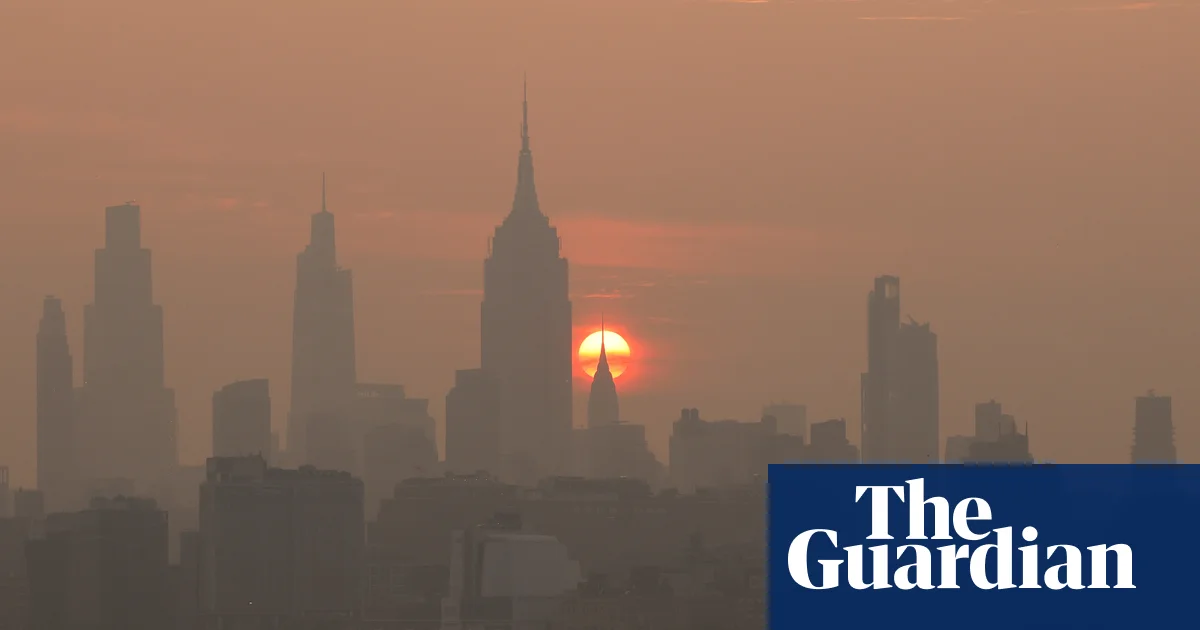
Smoke Impacts Major U.S. Cities as World Cup Final Approaches
Recently, thick smoke has blanketed not only New York but also other major urban centers like Dallas and Los Angeles. As anticipation builds for the World Cup final at New Jersey’s MetLife Stadium this Sunday, residents of these cities are observing the situation with an ironic sense of satisfaction.
The selection of MetLife Stadium for the final was primarily based on its global appeal and its favorable time zone for European television markets. However, the stadiums that were sidelined during FIFA’s final location decision in February 2024 now present themselves as more formidable alternatives, especially given the current climate challenges New York faces.
Initial apprehensions regarding the final’s hosting at MetLife revolved around the extreme summer heat typically experienced in New York, which Chelsea’s Enzo Fernandes labeled “extremely dangerous” after last year’s Club World Cup semi-finals. This week’s air quality issues have further complicated the situation, presenting FIFA with a significant hurdle.
The source of the air quality crisis traces back to wildfires raging in Canada, dispersing a thick cloud of smoke across a swath of Eastern U.S. cities. By late Thursday, air quality advisories were updated from “unhealthy” to “very unhealthy,” intensifying concerns as the final approaches.
Throughout the week, emergency management officials in New York issued a citywide code red, recommending that residents stay indoors and avoid strenuous activities. These admonitions raise questions about the feasibility of hosting such a prominent global sporting event, expected to attract 1.6 billion television viewers.
Conditions in downtown Manhattan reflected the severity of the air quality, obscuring iconic landmarks like the Statue of Liberty and leading to multiple flight cancellations from Newark Airport due to adverse weather effects.
Although the situation showed signs of improvement by Friday, FIFA officials remain cautiously optimistic about the final’s conditions. With rain anticipated on Saturday, the most severe air quality concerns could diminish by Sunday. Despite these expectations, disruptions to sports events have already been noted, such as during Wednesday’s National Women’s Soccer League match, where players faced hazardous playing conditions that necessitated additional breaks.
With New York heavily invested in the World Cup atmosphere and all previous matches at MetLife sold out, the attention turns to logistical challenges. Accessing the stadium has historically been a headache for fans, particularly with insufficient public transportation options and the treacherous nature of the Lincoln Tunnel connecting Manhattan to New Jersey. The situation will test the resilience of fans eager to partake in one of the world’s largest sporting events.
