


Ruling Orders Immediate Reforms at Adelanto ICE Processing Center
Supporters of improved detainee conditions celebrated a significant legal victory following a federal judge’s order mandating immediate reforms at the Adelanto ICE Processing Center. This ruling aims to enhance the health and safety of those held within its walls.
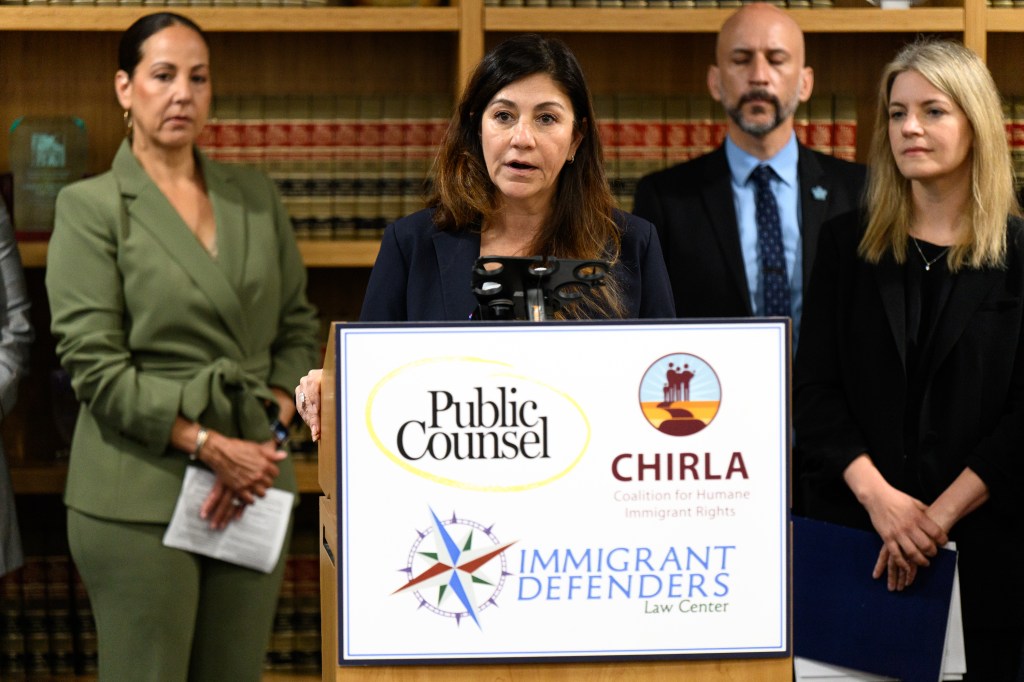
Kathryn Eidman, President and CEO of Public Counsel, expressed the collective triumph of this decision during a press conference on July 17. She noted the importance of the detainees who bravely shared their experiences with federal courts, shining a light on the troubling conditions within the facility.
Public Counsel, alongside partners including the Human Rights Coalition, Immigrant Defenders Law Center, and Willkie Farr & Gallagher, initiated a lawsuit in January citing inhumane conditions at the center. Backed by over two dozen affidavits from detainees, the lawsuit reveals alarming issues such as moldy towels, inadequate medical care, insufficient food, and unsanitary drinking water.
California Attorney General Raises Alarm
In March, California Attorney General Rob Bonta described the conditions at the facility as a “ticking time bomb.” On July 16, Judge Sunshine Sykes issued a preliminary injunction demanding that U.S. Immigration and Customs Enforcement (ICE) implement various immediate improvements for the approximately 1,700 individuals detained there.
Despite the ruling, the federal government firmly denied allegations of substandard conditions within the center. An anonymous spokesperson from the Department of Homeland Security asserted that all detainees receive adequate provisions, including food, water, and medical care, and emphasized that ICE standards surpass those of many American prisons.
Necessary Reforms Mandated by the Court
Following her ruling, Judge Sykes outlined essential improvements for ICE to implement. These include ensuring 24-hour access to clean drinking water, providing a nutritious diet, and conducting daily cleaning of the detention facilities. Detainees will also receive soap and hygiene products free of charge, and the facility must address mold issues promptly.
These changes aim to protect detainees’ health, foster family connections, and reaffirm the fundamental humanity of immigrants, as highlighted by Angelica Salas, Executive Director of the Coalition for Humane Rights. Sykes’ order also includes regulations concerning headcounts, solitary confinement placements, and access to independent third-party monitors.
Monitoring Enhancements to Protect Detainees
Belinda Escobosa from Public Counsel emphasized the significance of the newly mandated monitors, who will have direct access to detainees and staff. This transparency should guarantee compliance with court directives, with monthly reports submitted to ensure ongoing accountability.
The judge also directed ICE to develop a plan within 14 days to improve medical care and address disability considerations for detainees, following an August 2025 report highlighting neglect and abuse faced by individuals with disabilities in detention.
Personal Stories of Injustice
Personal accounts of detainees underscore the need for reform. For instance, Cuban immigrant Abraham Torres Fernandez recounted his eight-month experience in silence after his hearing aids were confiscated by immigration officials. Although he eventually received replacements, they were insufficient for his needs.
While Judge Sykes’ ruling addresses conditions solely at the Adelanto facility, it notably excludes nearby centers and other ICE detention facilities. The implications of this decision have sparked broader discussions regarding the treatment of detainees as the Trump administration seeks to divert attention from the plight of thousands held in immigration detention across the country.
Legal Responsibilities and Challenges
During a recent hearing, Assistant U.S. Attorney Pushkar Mishra attempted to shift responsibility for conditions at the Adelanto facility to GEO Group, the private contractor overseeing its operations. While ICE maintains that it enforces strict performance standards, conflicting statements regarding the nature of private facilities complicate this narrative.
The U.S. Attorney’s Office for the Central District of California has declined to comment on the ruling, but this situation continues to highlight tensions surrounding the treatment of detainees in the U.S. immigration system.
Detainee Demographics Amid Ongoing Concerns
As of early April, ICE reported an average of 5,805 detainees across California’s six detention centers, with 1,733 held at the Adelanto facility. Alarmingly, ICE categorizes over a quarter of these individuals as criminals, with nearly one in five classified as “Threat Level 1,” indicating serious criminal histories.
Advocates for immigrant rights, like Álvaro Huerta of the Immigrant Defenders Law Center, express steadfast determination to continue fighting for the rights of detainees, emphasizing that the ongoing struggle will not be forgotten despite the federal government’s attempts to obscure these issues.
