


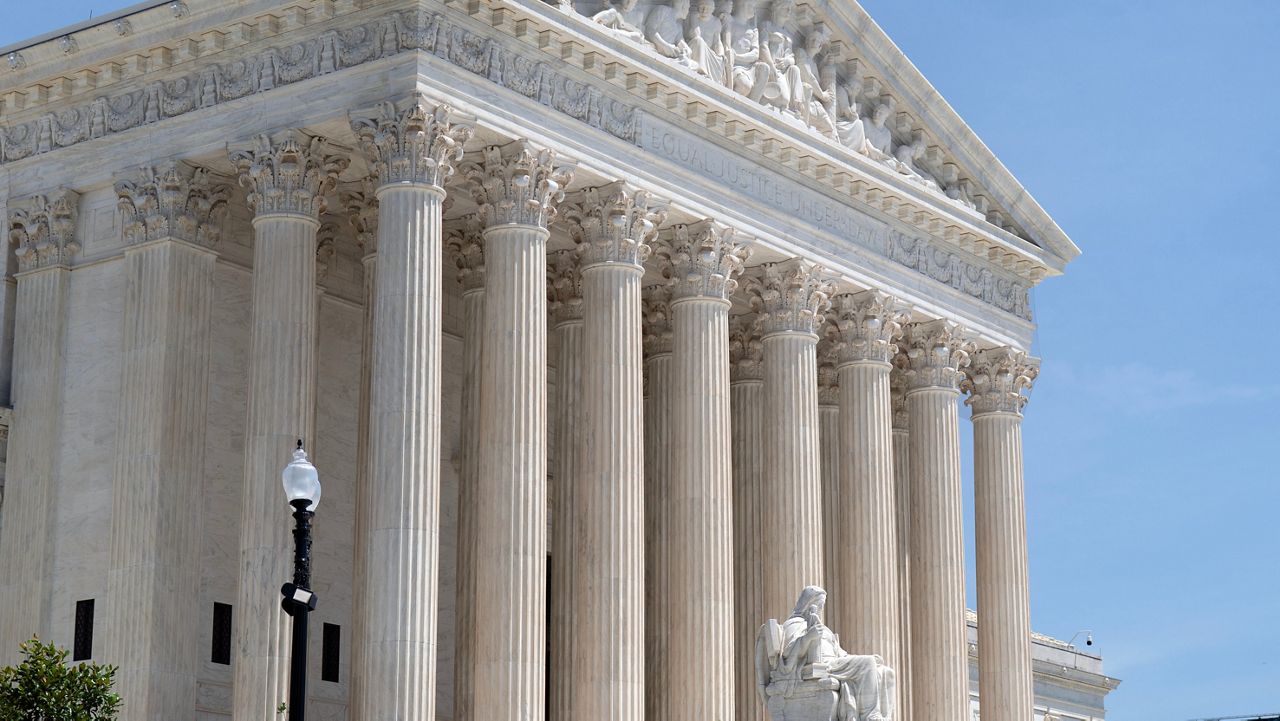
The Supreme Court has delivered a significant ruling, rejecting President Donald Trump’s attempt to modify birthright citizenship. This decision marks a notable victory for immigrant rights advocates across the nation, particularly in New York City.
In a decisive 6-3 ruling, the Supreme Court affirmed that, with very few exceptions, anyone born on U.S. soil is entitled to citizenship. This resolution comes on the heels of contentious debates surrounding immigration policy and human rights.
Key Highlights
The Supreme Court’s ruling represents a defeat for President Trump’s efforts to restrict birthright citizenship.
On the first day of his second term, President Trump signed an executive order positing that children born in the U.S. to undocumented or temporarily present individuals would not be granted citizenship.
According to research from the Migration Policy Institute and Pennsylvania State University, over 250,000 infants born annually in the U.S. could have been impacted by this executive order.
Harold Solis, an immigration attorney affiliated with the nonprofit Make the Road New York, expressed relief following the ruling. He stated that the decision validates long-standing beliefs regarding citizenship recognized for more than 150 years.
During a press conference organized by Make the Road, a woman identified as Abby detailed her experience as a noncitizen living in the U.S. under DACA (Deferred Action for Childhood Arrivals). Having given birth to children who are American citizens, she emphasized how the Supreme Court’s ruling provides essential assurance to mixed-status families.
“Since the executive order was signed until my child was born, I constantly worried about whether my newborn would be considered a U.S. citizen. Concerns about his citizenship status weighed heavily on me,” Abby recounted, highlighting the emotional toll of uncertainty.
Revisiting the context of the executive order, President Trump had become the first sitting president to attend oral arguments regarding this issue at the Supreme Court. While he stated that he would respect the court’s ruling, he described birthright citizenship as “destructive” and claimed it burdens American taxpayers.
Following the Supreme Court’s decision, President Trump expressed his discontent on Truth Social, calling the ruling unfortunate for the country. He urged Congress to take action against birthright citizenship through legislation rather than a lengthy constitutional amendment process.
Murad Awaudeh, president of the New York Immigration Coalition, articulated concerns that President Trump’s attempts to restrict birthright citizenship reflect a wider immigration enforcement strategy. He asserted, “While the president may attempt to incite division, we remain committed to advocating for the rights of everyone in this country.”
Despite facing opposition from lower courts that prevented the executive order from being implemented, the Supreme Court’s ruling reinforces the existing framework of birthright citizenship and ensures its stability for the foreseeable future.
