


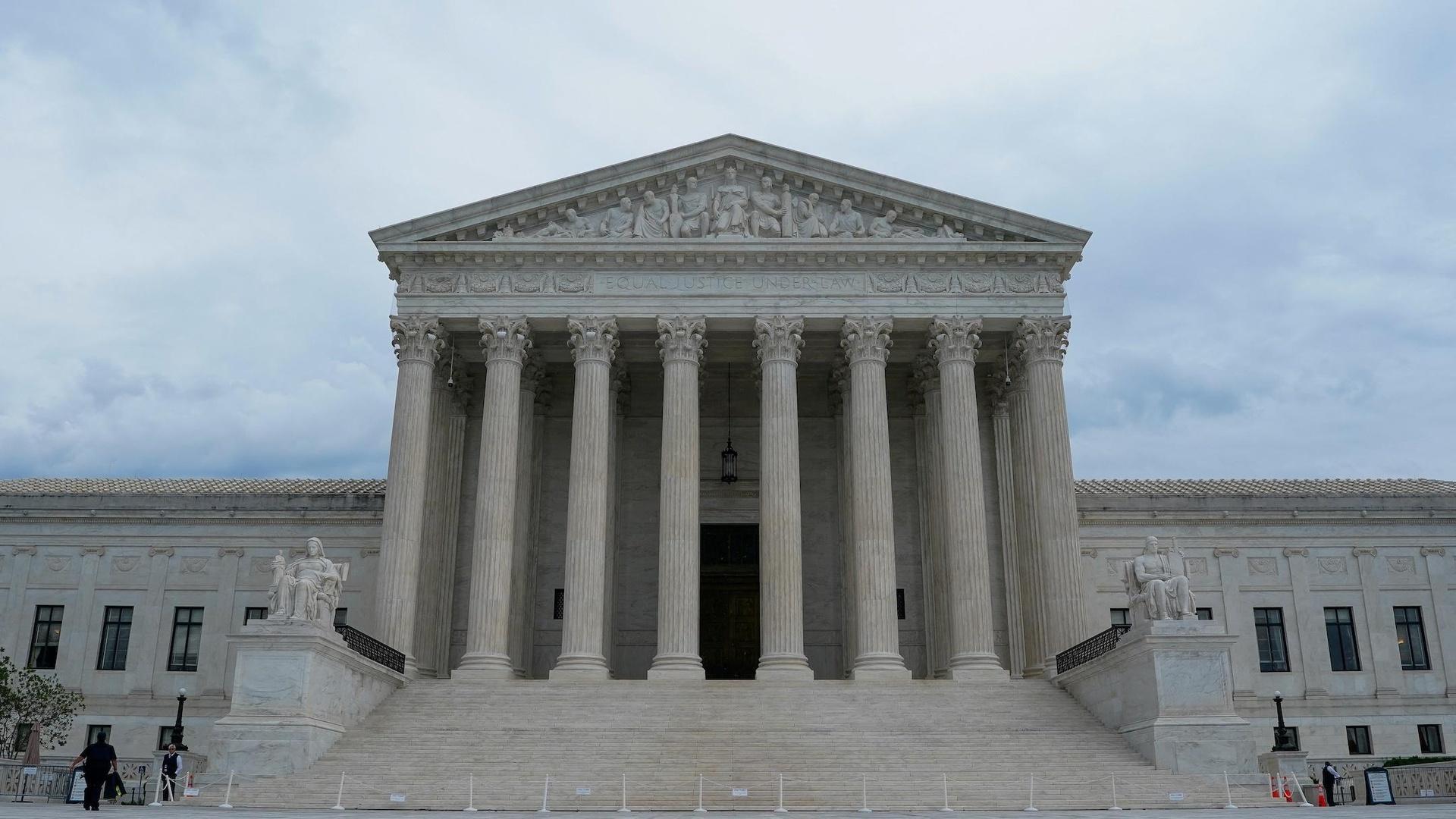
Supreme Court Delivers Key Rulings on Immigration, Gun Laws, and Business Liability
Today, the Supreme Court made significant decisions impacting immigration policies, gun laws, and corporate accountability. Notably, the justices upheld the Trump administration’s authority to terminate deportation protections for numerous Haitians and Syrians, while also affirming that authorities can continue to turn away asylum seekers at the southern border.
In a separate ruling, the court determined that Monsanto cannot be held liable for thousands of lawsuits linked to its herbicide, Roundup. Additionally, the court invalidated Hawaii’s gun laws, a verdict that may set a precedent for similar legislation in various states.
Amy Howe, a Supreme Court analyst for The NewsHour and co-founder of SCOTUSblog, offered insights into the implications of these rulings. She explained that the recent immigration decision arose from the administration’s move last year to end temporary protected status for Haitian and Syrian nationals, a decision now backed by the court.
The court’s ruling primarily revolved around statutory interpretation. It found that the law governing the Temporary Protected Status (TPS) Program explicitly prohibits courts from questioning the Secretary of Homeland Security’s designation decisions for TPS countries. Justice Alito asserted that claims from Haitian and Syrian nationals regarding procedural compliance by the Secretary were, in essence, challenges to a decision they cannot contest.
Claims regarding racial animus in the termination of TPS were also dismissed. Justice Alito stated there was no evidence linking the administration’s decision to any form of racial hostility, despite accusations from TPS beneficiaries citing inflammatory comments made by former President Trump about Haitian immigrants.
Another immigration case addressed the issue of metering practices, where U.S. border officials turn back asylum seekers before they physically enter the country. The conservative justices of the court argued that “arrival” in the U.S. requires physical entry, contradicting the challengers’ claims that metering practices violated refugee law. Justice Sotomayor dissented, emphasizing that the term “arriving” could refer to being on the brink of entering.
The round of rulings continued with the 7-2 decision involving Monsanto, where the court found the company was not liable for failing to warn about cancer risks associated with Roundup. This reflects the legal principle of federal preemption, which allows federal law to overrule state regulations. The court’s decision highlights how the Federal Insecticide, Fungicide, and Rodenticide Act empowers the EPA to regulate pesticide labeling, limiting states’ ability to impose stricter requirements.
Lastly, the Supreme Court’s gun rights ruling has potential ramifications for gun laws across several states, including California, New York, New Jersey, and Maryland. These jurisdictions, which have regulations requiring permits to possess firearms on private property, may see their laws deemed unconstitutional as a consequence of today’s decision.
