


Illicit Financial Flows Cause Significant Revenue Losses in Africa
Tax and finance experts have alerted African nations to the staggering revenue losses incurred due to illicit financial flows (IFF). Current estimates suggest that African countries are losing around $89 billion each year due to tax evasion, profit shifting, and other detrimental financial practices.
Parliamentary Dialogue Addresses Financial Challenges
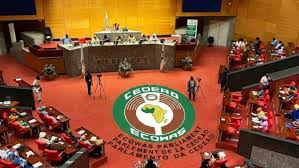
This warning came during a dialogue session held on Tuesday, which brought together members of the Economic Community of West African States (ECOWAS) Parliament, the West African Tax Administration Forum, and the African Tax Justice Network. The meeting, part of their 2026 First Regular Session in Abuja, centered on strategies aimed at enhancing domestic resource mobilization and advancing tax harmonization within the ECOWAS region.
Impact of Multinational Corporations and Weak Tax Systems
Experts noted that illicit financial flows, predominantly driven by multinational corporations along with inefficient tax systems, are depriving African nations of essential resources critical for development. They highlighted that approximately 65 percent of these illicit flows can be categorized as commercial, further compounding the issue.
Establishing Tax Harmonization to Prevent Exploitation
The panel emphasized the importance of tax harmonization across the ECOWAS subregion as a means to close loopholes that are frequently exploited by companies and criminal financial networks. They warned that without a coordinated approach to tax regulation, the region would continue to lose revenue to smuggling, opacity, and profit shifting.
Calls for Transparency and Accountability in Tax Administration
During the session, WATAF Research Manager Dr. Nita Belemaobgo called for enhanced regional cooperation and data-driven reforms to bolster transparency and accountability in tax administration throughout West Africa. She detailed WATAF’s commitment to supporting ECOWAS in implementing the Tax Directive, aimed at streamlining fiscal policies among Member States.
Strengthening Governance Through Tax Legislation
WATAF’s Communications and Information Technology Manager, Danisius Sembe, underscored the crucial role of parliamentary oversight in curbing tax leakage and boosting revenue collection. He pointed out that this issue transcends taxation, influencing the region’s governance and economic sovereignty. “This engagement highlights themes of sovereignty, equity, accountability, and the future of West Africa,” he stated.
Urgent Need for Legislative Action on Natural Resource Revenue
Dr. Zandile Ndebele of the Tax Justice Network Africa (TJNA) urged parliamentarians in the region to enact legislation that ensures Africans can reap more direct benefits from their natural resources and the revenues generated within their own countries. She spoke to the theme of “Addressing tax-related illicit financial flows through legal frameworks and transparency,” emphasizing the potential for legislation to secure greater domestic resources.
Protecting Taxing Rights and Regional Collaboration
The experts also advocated for stronger laws in the mining sector, as well as increased transparency regarding tax incentives granted to multinational companies. Solomon Adoga from TJNA warned that African nations must aggressively protect their taxing rights to diminish reliance on foreign aid and external borrowing. “We must scrutinize where we are losing income and seek autonomy from countries outside Africa,” he asserted.
