


Body Camera Proposal Grows After Recent Shootings by Federal Agents
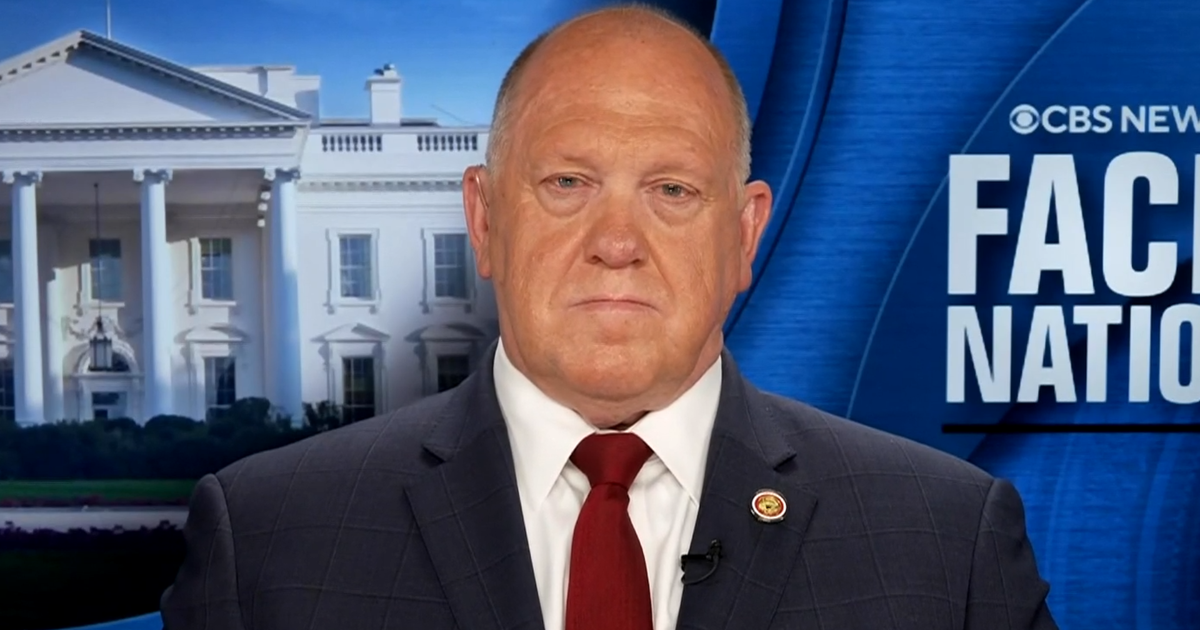
Tom Homan, a White House Border Patrol official, recently expressed strong support for the implementation of body cameras for law enforcement following two fatal shootings involving federal agents in Texas and Maine. Homan emphasized that body cameras could provide transparency regarding the circumstances officers face when making critical decisions.
On July 7, Immigration and Customs Enforcement (ICE) agents fatally shot a Mexican national in Houston, who had resided in the U.S. for numerous years. Subsequently, another incident occurred when ICE agents shot and killed a Colombian man in Biddeford, Maine. Notably, in both situations, the officers involved were not equipped with body cameras.
Homan highlighted the importance of firsthand accounts, stating, “While we can gather evidence from bystander cell phone footage and street cameras, it is crucial for the American public to understand the perspective of the officer involved.” He emphasized the need for transparency to garner trust between law enforcement and the communities they serve.
This is not the first time Homan has championed body cameras. Last week, the Department of Homeland Security (DHS) announced that henceforth, every ICE arrest team would include at least one officer equipped with a camera. Following the Houston shooting, DHS reported that over half of ICE field offices already had body cameras, with plans to equip the remaining offices within two months.
The discussion surrounding body cameras has been part of broader negotiations between Senate Democrats and Republicans during earlier negotiations concerning the DHS budget. Earlier this year, Democrats sought reforms regarding immigration enforcement practices following two federal agent shootings in Minneapolis. The Trump administration had indicated a willingness to consider expanding body camera use, but negotiations ultimately stalled.
Despite the funding hurdles, a bipartisan agreement in April allocated $20 million specifically for body cameras. However, subsequent Republican approvals for a $70 billion budget focused on maintaining immigration enforcement operations until the end of the Trump administration complicated these efforts. Homan criticized the delays, attributing them to the earlier government shutdown caused by Democrats’ funding disagreements.
Democratic lawmakers have been vocal about their concerns over DHS’s slow adoption of body cameras, especially in light of the funding approved back in April. Homan responded, asserting that the earlier funding was insufficient to cover all operational needs. Following the passage of a larger budget package in June, he noted that resources were finally available for purchasing cameras and training personnel for their deployment across the nation.
The scrutiny on ICE has intensified in the wake of the recent shootings. Homan acknowledged the need for investigations but reiterated that safety protocols have been adapted in light of these events. He expressed concern regarding public rhetoric that encourages resistance to immigration enforcement, which, in his view, may embolden some individuals against obeying law enforcement directives. No matter one’s personal views on immigration, he believes that respect for law enforcement should remain paramount.
Despite the challenges faced, Homan stressed that unmarked police vehicles are designed with emergency lights and sirens, as well as clear identification badges for officers. He stated, “If emergency lights weren’t activated during the incidents in Maine and Texas, then that would indicate a serious issue.”
