


Friendships Forged Through Soccer in Detention
Pedro Hayon and Serafin Andrade first became friends while playing soccer together during their detention at an ICE facility in McFarland, California. With visits restricted due to the pandemic, soccer became a vital outlet for social interaction and emotional relief.
Recreation as a Means of Healing
Ayon, who was born in Mexico and raised in the United States, faced eight months of confinement in 2021. He shared that the limited yard time allowed detainees to experience a sense of freedom, camaraderie, and fun, making it a therapeutic escape from their harsh circumstances. Through these shared moments on the field, they found a unique bond that transcended their shared predicament.
A Tournament to Bridge Divides
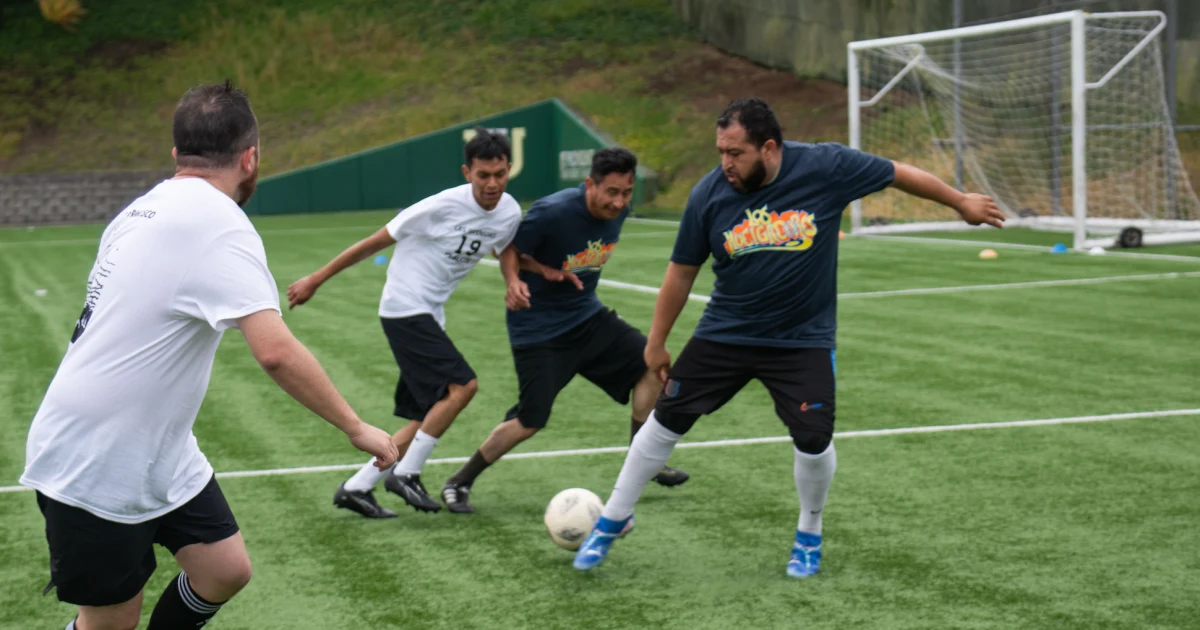
In response to the emotional toll of detention, a group of advocates organized the CCIJust Goals soccer tournament in California. This event has become a platform for those impacted by immigration issues—such as former detainees, their families, immigration attorneys, and activists—to come together. The tournament promotes inclusivity, allowing mixed-gender teams to compete in five-a-side matches across multiple pitches, fostering community through sport.
CCIJust Goals: An Annual Celebration
The fourth edition of the CCIJust Goals tournament took place in June at the University of San Francisco’s Nego Esco Stadium, attracting 100 amateur players divided into ten teams. Many participants wore jerseys representing their home countries, adding to the festive atmosphere that coincided with the excitement of the World Cup.
Soccer as a Universal Language of Connection
Edwin Carmona Cruz, executive director of the California Collaborative for Immigration Justice, highlighted how many detainees express a sense of freedom when playing soccer. The tournament has provided a rare opportunity to bridge cultural divides, allowing people from different backgrounds to unite under a shared love for the game and their fight for justice.
The Healing Impact of Collective Play
Beyond mere competition, participants emphasize the profound connections established through soccer. Hayon recalls how language barriers dissolved as individuals from various countries, including Armenia and India, bonded over their shared experience on the field. Research supports this sentiment, indicating that inclusive environments contribute positively to mental well-being and emotional resilience, particularly for those navigating the trauma of detention.
Addressing the Harsh Conditions of Detention Facilities
Despite the therapeutic benefits of soccer, the conditions in U.S. immigration detention centers remain concerning. Recent data reveals that over 60,000 immigrants were in U.S. custody as of early April, with California seeing a significant rise in detention rates. The California Department of Justice’s latest report indicated multiple instances of deaths and reported poor living conditions, including overcrowding and inadequate medical care. Activists continue to push for reforms to ensure that detainees have access to proper care and recreation.
As the CCIJust Goals tournament exemplifies, soccer can facilitate connection and conversation around complex topics such as immigration reform. The tournament serves as a bridge for participants, drawing attention to the emotional landscape surrounding detention while fostering hope and solidarity through shared experiences on the field.
