


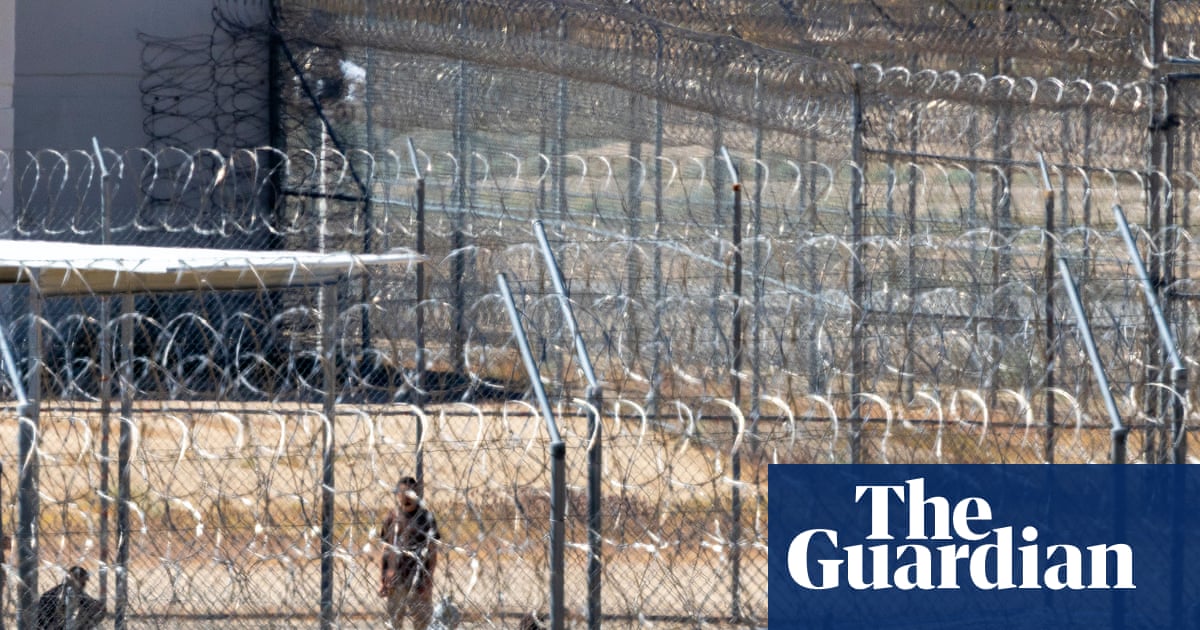
California City Detention Center Struggles with Medical Care Compliance
California’s largest immigrant detention facility has failed to adhere to a federal judge’s directive for adequate medical care, according to a court-appointed monitor. The evaluation revealed that the California City Detention Center, situated northeast of Los Angeles, struggled significantly in fulfilling essential medical standards.
The facility has been criticized for serious deficiencies in the care provided to residents, which includes inadequate emergency medical services, delays in administering medications, insufficient health screenings, and a lack of accommodations for individuals with disabilities. These shortcomings raise considerable concerns about the safety and well-being of detainees.
This investigation was initiated following a lawsuit alleging medical neglect, with a federal judge ordering a review of the facility’s compliance across eight critical components of California’s healthcare system in February. The ruling required the government to demonstrate that it was delivering necessary medical care effectively.
Warden Dr. Muthusamy Anandkumar, in a report submitted to the court, pointed out that the detention center violated all eight areas identified by the judge. He noted that the facility lacks a reliable system for providing adequate medical care, thereby exposing individuals to serious risks of both immediate and long-term harm.
Attorneys representing detainees emphasized the significance of these findings, describing them as a landmark court-ordered investigation into medical care within U.S. Immigration and Customs Enforcement (ICE) facilities. The monitor’s conclusions reflect the concerns voiced by residents regarding conditions and healthcare services at the detention center last year.
As arrests of immigrants surge—over 65,000 individuals were in ICE custody as of July 11—questions about overcrowding and hazardous detention conditions have intensified. Dr. Anandkumar indicated that the problems observed were systemic, denoting broader issues within the facility’s healthcare delivery framework rather than isolated incidents of care failures.
Concerns Over Patient Care and Systemic Issues
The class action lawsuit that prompted this investigation was filed in November by seven plaintiffs who reported facing life-threatening medical challenges. Allegations included the denial of cancer treatment, consistent access to insulin for diabetes management, and a failure to accommodate basic needs related to disabilities.
In her February ruling, U.S. Judge Maxine Chesney specified areas that would ensure ICE facilities in California operate effectively—emphasizing the need for timely medical examinations, thorough primary care assessments, accessible emergency services, ongoing care, and an efficient “sick call” system for detainees to seek medical attention.
Dr. Anandkumar was assigned to assess these critical areas. His prior experience includes roles within the Department of Homeland Security, where he evaluated healthcare services in ICE detention centers as well as local prisons. Despite the troubling findings, a DHS spokesperson stated that comprehensive medical care is being provided to detainees, although they did not address specific issues raised by the monitor.
Operational Challenges in Medical Oversight
The California City Detention Center, which opened as an ICE facility last year on a former state prison site, was intended to house those without significant medical needs. Instead, it has accepted numerous individuals with complex health requirements. Anandkumar reported alarming staff shortages, with personnel often assigned clinical duties before completing their orientation, leading to inadequately trained staff being responsible for the training of others.
The monitor’s report highlighted serious gaps in the intake screening process, thereby risking the identification of emergent or severe health issues and delaying necessary medical care. Inadequacies in physical exams and record-keeping were also noted, with medical professionals often opting for vague notations, such as “WNL” (within normal limits), rather than providing specific observations related to patients’ conditions.
Referrals for specialized care were described as disorganized, leading to delays beyond what was documented in patients’ records. Individuals with severe psychiatric conditions were often detained until their health declined significantly enough to necessitate hospitalization, only to be returned to the facility without robust treatment gains.
Patient Experiences Highlight Inadequate Care
Reports from detainees illustrate challenges in obtaining timely care. One individual, who requires a wheelchair, mentioned incidents of injury during transport to an external medical facility, while another disabled patient described being left unattended in the shower area for an extended period. These stories underline the systemic barriers that patients with disabilities encounter while accessing essential services.
The report detailed alarming failures in medication management, with patients not receiving their prescribed treatments consistently. Monitors noted significant malfunctions in the medication distribution system, leading to reports of patients waiting until the early hours for medications that were scheduled for evening distribution. Instances of loose pills found on the floor further exemplify the lapses in medication handling protocols.
The 51-page report concludes with recommendations aimed at addressing care gaps and enhancing tracking mechanisms across facilities. While CoreCivic, the private corporation operating the detention center, is not a defendant in the lawsuit, their spokesperson highlighted a wide range of medical services available to detainees. Nonetheless, concerns remain about the effectiveness of these services, especially in terms of follow-up care and the coordination with outside providers.
Lead attorney Tess Borden, representing the detainees, conveyed the alarming implications of the findings, asserting that they demonstrate a crisis in healthcare within the facility. The report validates the firsthand experiences of detainees, underscoring the urgent need for reform in California’s immigrant detention healthcare system.
