


Historical Paradox of Equality in America
Two and a half centuries ago, America’s Founding Fathers declared that all men are created equal. Yet, this promise has never been fully realized. Conceived in a society that enslaved millions of Africans and marginalized indigenous peoples, the founding ideal of equality was often applied selectively. The nation built upon this unfulfilled promise has long grappled with its implications, marking a journey characterized by both profound exclusion and relentless aspiration toward inclusion.
The Ongoing Journey for Freedom and Equality
American history narrates the tale of a population that continuously seeks to transform the ideals of freedom and equality into tangible realities. The definition of who belongs has evolved over generations, shifting between inclusion and exclusion. It illustrated a dynamic landscape where various communities aspired for safety and opportunity for themselves and future generations. History shows that at times, the system has reluctantly adapted, reflecting the ongoing tension between established identities and emerging ones.
HIAS’s Commitment to Welcoming Immigrants
HIAS is proud to play a vital role in this ongoing narrative. For over half of the United States’ history, our organization has welcomed millions of individuals—immigrants and refugees—seeking safety from violence and persecution. These newcomers arrive with hope for a fresh start, contributing to the rich tapestry of American life. Our commitment to embracing individuals from various backgrounds has significantly enriched the nation.
Diversity as America’s Strength
The unique character of America stems from its diversity and the myriad stories of its people. From the enslaved Africans brought here against their will to the Irish fleeing famine and facing discrimination, and the Chinese workers who built the Transcontinental Railroad only to be barred from entry later, each group contributes to the complex mosaic of American history. Jewish refugees arriving at Ellis Island faced quotas and restrictions amid rising fascism in Europe, while the recent influx of Afghan refugees was shaped by decades of American intervention. These experiences highlight the intertwined narratives of arrival, struggle, acceptance, and resistance.
Redefining Belonging in Modern America
Today, descendants of those once deemed outsiders now hold significant roles across various sectors, including Congress, the military, and academia. Time and again, those once denied belonging have reshaped and fortified the American identity, demonstrating resilience in the face of exclusion. Yet, current political debates reveal a troubling trend; a vocal minority feels threatened by demographic changes, advocating for exclusionary practices that undermine the nation’s historical ethos of welcome.
The Imperative of Solidarity
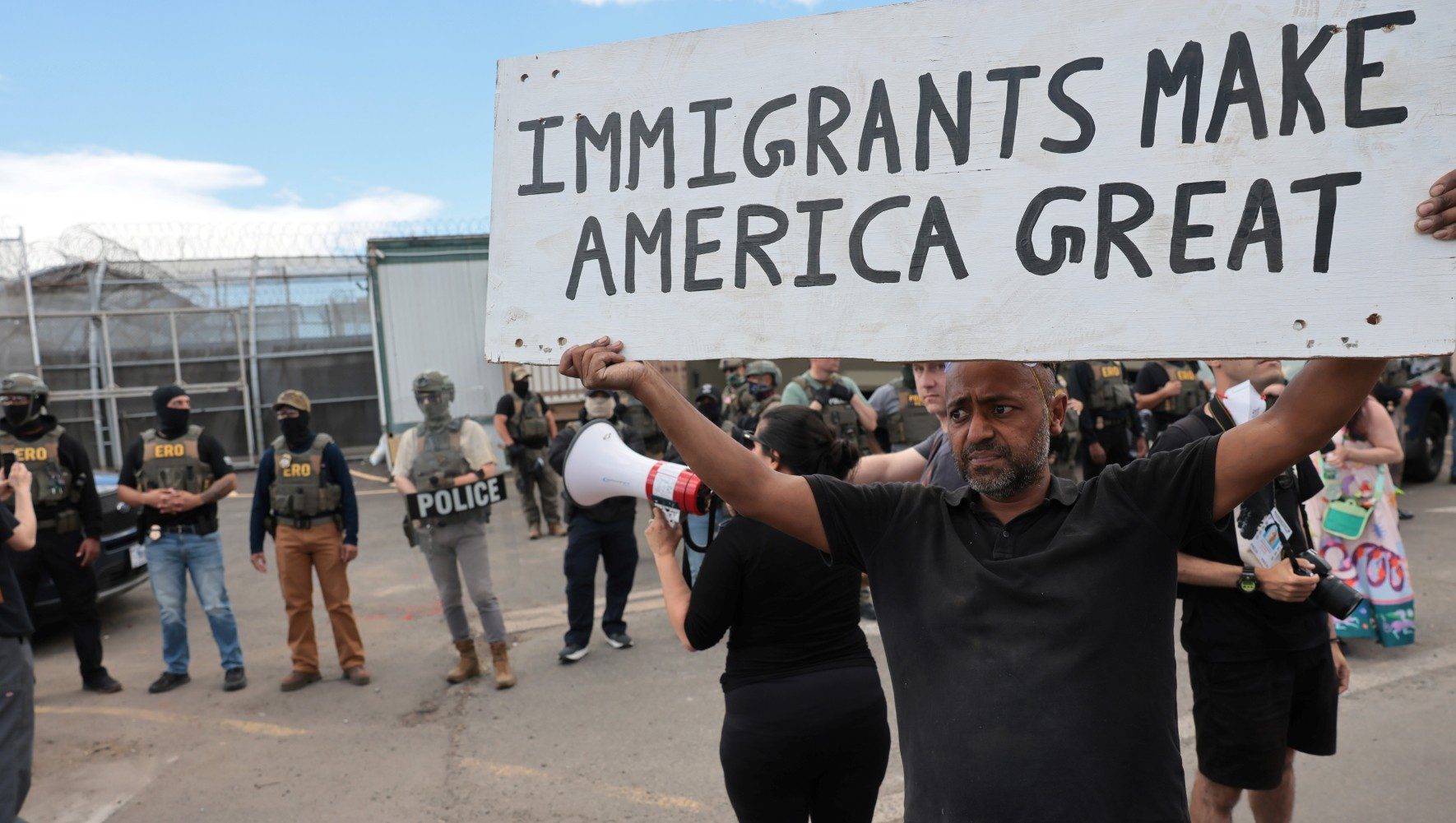
This moment calls for renewed commitment to the values of diversity and inclusion that have defined America for 250 years. It is essential to stand in solidarity with our neighbors, advocating for a society that celebrates its multicultural foundations. The time is ripe for activism, community support, and collective action to challenge the politics of division. HIAS actively witnesses this unity through local synagogues, volunteer efforts safeguarding immigrants, and attorneys dedicated to providing legal support to those in need.
Midterm Elections as a Defining Moment
The upcoming midterm elections present a critical opportunity to reaffirm our commitment to policies that protect immigrants, refugees, and marginalized individuals facing threats. We must elect representatives who view immigration not as a challenge to be managed but as an enriching opportunity—consistent with the experiences of prior generations. Amidst troubling headlines, the inspiring stories of Americans advocating for equality remind us that history is a continuum, and each of us plays a role in shaping the future.
