


Community Grieves Lorenzo Salgado Araujo After Tragic Shooting
The loss of Lorenzo Salgado Araujo, shot and killed by a federal immigration officer during a traffic stop, has resonated deeply within Houston’s Latino community. Many attendees at Thursday night’s funeral expressed an unsettling certainty that such violence could happen to anyone.
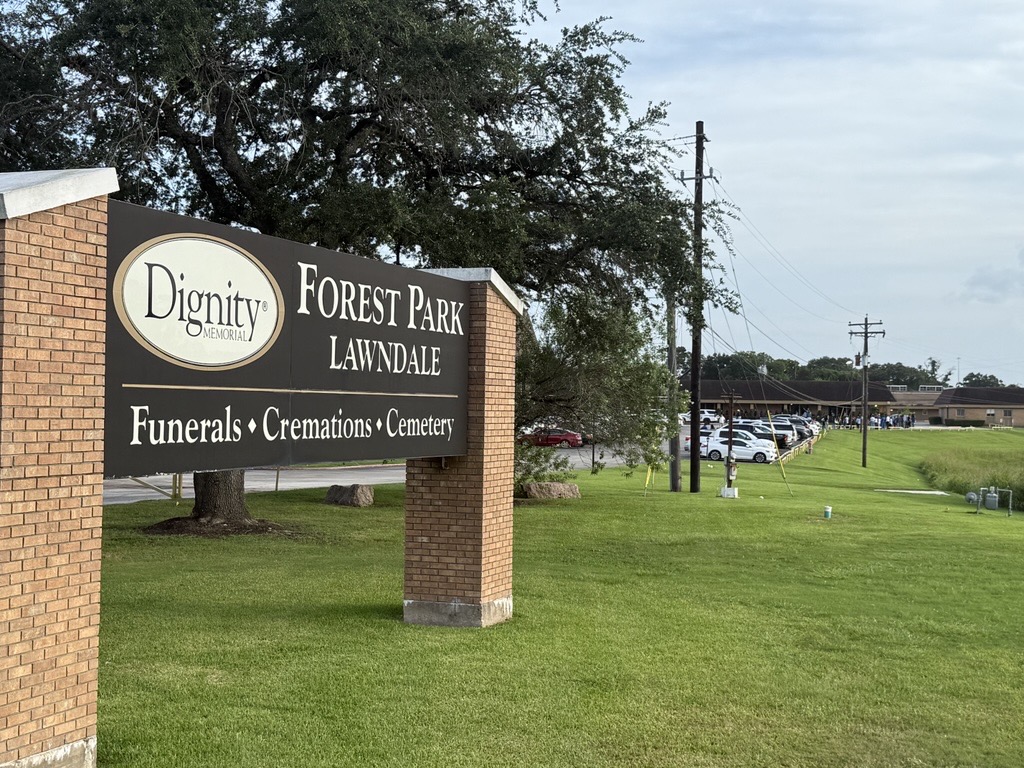
Elmer Romero, reflecting on the impact of Salgado Araujo’s life, related his own experiences to those of the deceased’s sons. With a personal history marked by tragedy—the murder of his father during El Salvador’s civil war—Romero conveyed a message of resilience. “Strength for the struggle,” he urged them in Spanish. He was among hundreds who came to pay tribute to Salgado Araujo, who passed away on July 7. The public visitation at Forest Park Lawndale featured mourners holding Catholic rosaries, just a short distance from where the shooting took place in Houston’s East End.
Salgado Araujo, a 52-year-old father of three, had lived in the United States for decades without legal immigration status, according to his family. The federal officers involved in the incident did not wear body cameras, and no video footage of the shooting has been made public.
Conflicting Accounts Surround Shooting Incident
In the aftermath of the incident, ICE agents claimed Salgado Araujo “used a weapon on his vehicle,” stating they acted in self-defense. This assertion, however, has been challenged by his brother, Victor Salgado Araujo, who was a passenger during the traffic stop. Such claims have become a familiar narrative following fatal encounters with federal agents, reminiscent of recent incidents in other states.
While journalists were denied access to the funeral, attendees described the ceremony as both moving and beautiful. Among the displays were pieces of Salgado Araujo’s construction equipment and two soccer uniforms bearing the name “L. Salgado,” highlighting his life’s passions. Lupe Ochoa, who grew up in the East End, remarked on the surreal sense of unity among the community during this somber occasion, having known Salgado Araujo’s son, Ronaldo, from school.
Impact of Loss Echoes Throughout the Community
Ochoa expressed her thoughts on the power of community solidarity in the face of adversity. “Ronaldo always fought for what was right,” she noted, emphasizing the inspiration it provided to peers. Though she had never met Salgado Araujo personally, the news of his murder struck a chord with her, especially given reports suggesting that he may have been targeted by mistake.
For Breni Rodriguez, who moved to Houston from El Salvador, the shooting reverberated particularly strongly due to her own recent loss of her father. She lamented, “He was a worker just like Salgado Araujo. We came here seeking better opportunities, only for something like this to happen. It’s heartbreaking that we, who contribute so much, face such violence.”
A Mix of Mourning and Resolve at the Funeral
The atmosphere at Salgado Araujo’s funeral was heavy with grief, yet for some attendees like Kathryn Danas, it also evoked feelings of anger and urgency. Danas articulated her motivation for attending the service simply, “Because of the color of my skin. Because I have two sons to worry about.” Her presence was a testament to the fear many feel in light of these events.
As a single mother, Danas resonated with the plight of Salgado Araujo’s family, noting the profound loss experienced by his children. “It’s incredible to see these boys raised by a man so dedicated to his family,” she said. “He is my hero and should be remembered and honored.” Her words encapsulate the collective sentiment of a community grappling with loss and striving for justice.
