


Survey Highlights Immigrants’ Fear in Southeastern Michigan
A recent survey conducted in four major cities of southeastern Michigan reveals that over half of immigrant respondents are avoiding daily activities, such as visiting the doctor or taking their children to school, due to concerns about increased immigration enforcement.
Insights from University of Michigan Researchers
Researchers at the University of Michigan analyzed responses from more than 200 individuals who were born outside the United States and currently reside in Detroit, Grand Rapids, Flint, and Ypsilanti. The study co-author, Mara Cecilia Ostfeld, a professor at the University of California’s Ford School of Public Policy, emphasized the serious consequences of these absences on the broader community.
Community Impact of Immigrant Hesitation
“We’re observing Michiganders refraining from church, work, school drop-offs, and regular medical care,” Ostfeld noted. She highlighted that these behaviors create a ripple effect across public health, education, and economic sectors.
Industry-Specific Concerns
The survey results underscore that immigrants represent a significant portion of essential workforce roles in various sectors, including retail, custodial services, and childcare. Approximately 60% of the respondents identified as naturalized citizens. However, Ostfeld pointed out that the organization did not verify immigration status, as the survey was conducted anonymously. Some participants may have misrepresented their nationality due to fear of repercussions.
Underestimating the Fear Among Immigrants
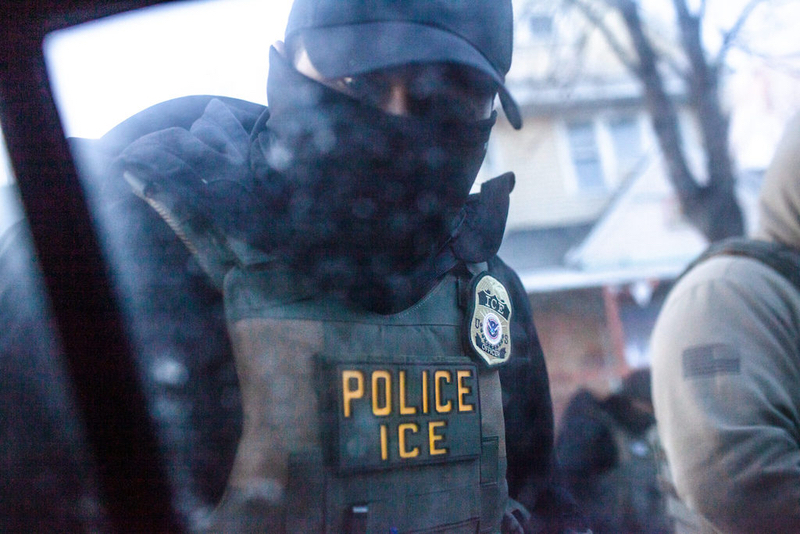
According to Ostfeld, the survey findings likely fail to capture the full extent of anxiety many immigrants in Michigan face in light of increased visibility of federal Immigration and Customs Enforcement (ICE) agents. She stated, “Many individuals are apprehensive about going to work, which understandably leads to reluctance in participating in studies like this one.”
Community Resilience Amidst Fear
Elizabeth Gonzalez, a community organizer in southwest Detroit, described the palpable fear affecting her neighborhood. She shared a troubling account of a neighbor who contracted a severe virus but avoided treatment, fearing the presence of ICE in emergency medical facilities. Despite the fear, community members are actively supporting one another, from organizing rideshares to facilitating virtual communication between parents and teachers.
Impact on Local Businesses and Public Testimonies
Gonzalez noted that southwest Detroit is quieter than usual as local businesses grapple with survival amidst decreasing customer patronage and employee attendance. During a recent testimony before the state Senate Civil Rights, Judiciary, and Public Safety Committee, Detroit City Councilwoman Gabriela Santiago-Romero expressed concern for families who are struggling to meet basic needs, stating, “Families are literally starving.” She criticized immigration enforcement, stating, “They are creating confusion and fear.”
Current State of Immigration Enforcement
A year after the Trump administration intensified immigration enforcement, the Department of Homeland Security reported 605,000 deportations and an additional 1.9 million voluntary departures. As of now, over 60,000 immigrants are detained, with government data revealing that 70% of these individuals have no criminal record. Many of those with criminal histories are often associated with minor offenses, such as traffic violations.
