


Aging Advocates Push for Immigrant Caregiver Protections
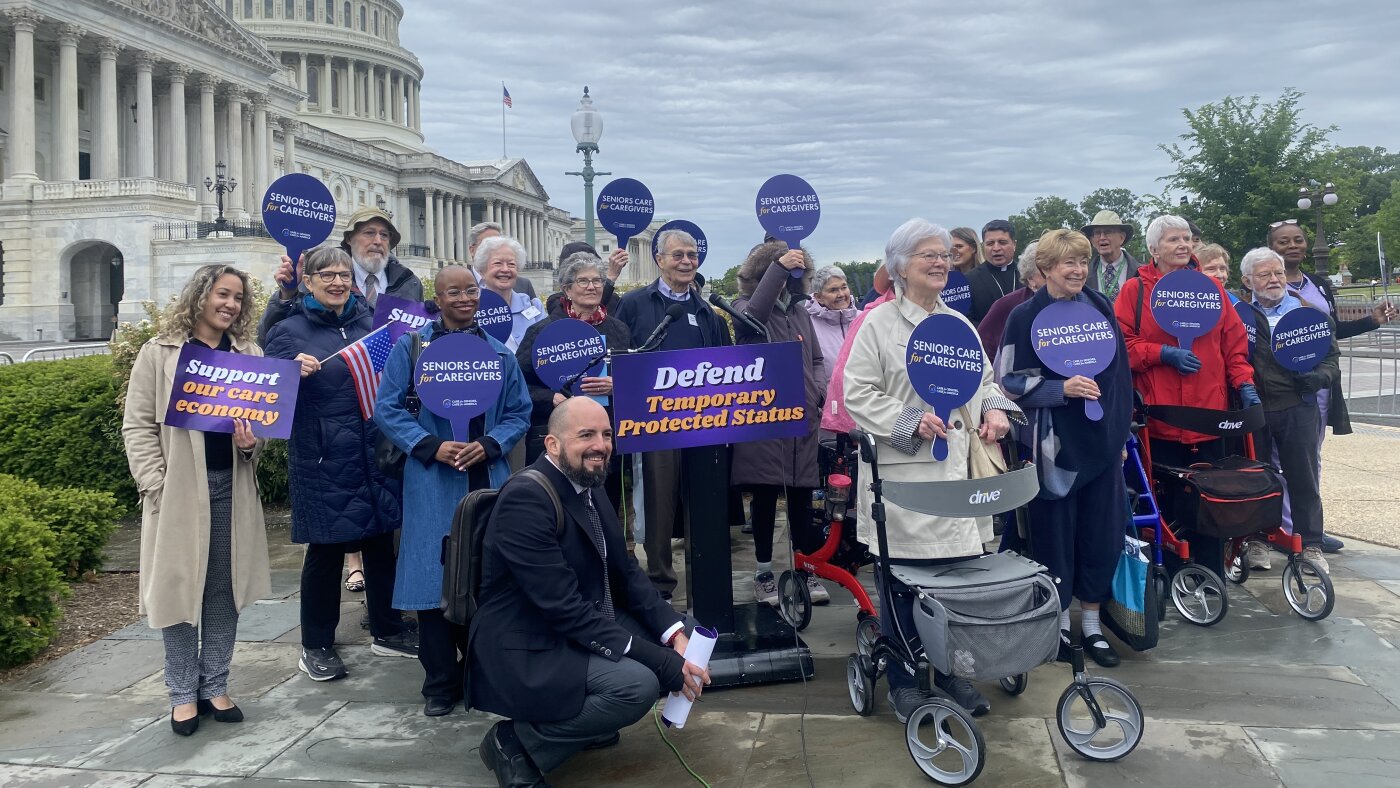
On April 28, 2026, seniors congregated outside the U.S. Capitol to advocate for Temporary Protected Status (TPS) for immigrant caregivers. Rita Siebenaler, 82, is among them, passionately joining the fight for immigration reform. Inspired by her heritage as the granddaughter of Irish immigrants, Siebenaler believes that those seeking a better life in the United States deserve a chance.
First-Hand Experiences Fuel Advocacy Efforts
Siebenaler, who resides in an independent living facility operated by the nonprofit organization Goodwin Living in northern Virginia, has witnessed the dedication of immigrant caregivers first-hand. Her late husband, a specialist in Russian affairs in the Army, received loving care from aides hailing from Ghana, Sierra Leone, and Haiti. “They provided him with tender and compassionate support,” Siebenaler shares.
Temporary Protected Status and Its Impact
Some of the caregivers at Goodwin Living hold TPS, a designation granted to immigrants in the U.S. who cannot safely return to their home countries due to conflict or disaster. While TPS allows them to work legally, it does not provide a pathway to permanent residency or citizenship. As the Supreme Court deliberates a case that could impact over 1 million TPS holders, including those who may face status suspension from the previous Trump administration, Siebenaler has found her voice during a critical moment.
Increasing Demand for Caregivers Amid Aging Population
Surrounded by fellow seniors on a rainy day, Siebenaler elaborated on the pressing need for caregivers as the U.S. population ages rapidly. Research from the advocacy group PHI indicates that nearly 10 million caregiving positions will need to be filled in the next decade. “The aging population is growing quickly. Hundreds of thousands turn 65 every year. Who will care for them?” she questions.
Legal Battle Over Temporary Protected Status
The Supreme Court will hear arguments about the legality of the Trump administration’s decision to terminate TPS for 300,000 Haitians and 6,000 Syrians, a program established after natural disasters and conflicts in those countries. The previous administration claimed that TPS was intended to be temporary. However, critics point to deteriorating conditions in many affected nations, raising significant concerns regarding the potential human impact of rescinding TPS.
Noteworthy Legislative Advances
On May 2, outside the Capitol, Siebenaler stood alongside Rep. Ayanna Pressley of Massachusetts, who successfully promoted a bill to extend TPS for Haitians by three years. This legislation was passed by a vote of 224 to 204 but now faces significant hurdles in the Senate, where the Republicans hold a majority. “It was thrilling to see such progress,” Siebenaler said, reflecting on the recent victory.
Focus on the Future
As the legal battle unfolds, Siebenaler remains anxious but hopeful. “I pray that the Supreme Court will take the right action for TPS workers,” she stated. Her dedication to advocating for immigrant caregivers underscores the broader implications of immigration reform on the U.S. healthcare system and the lives of countless seniors who rely on their essential services.
