


New EU Immigration Legislation Enforces Swift Expulsions of Ineligible Migrants
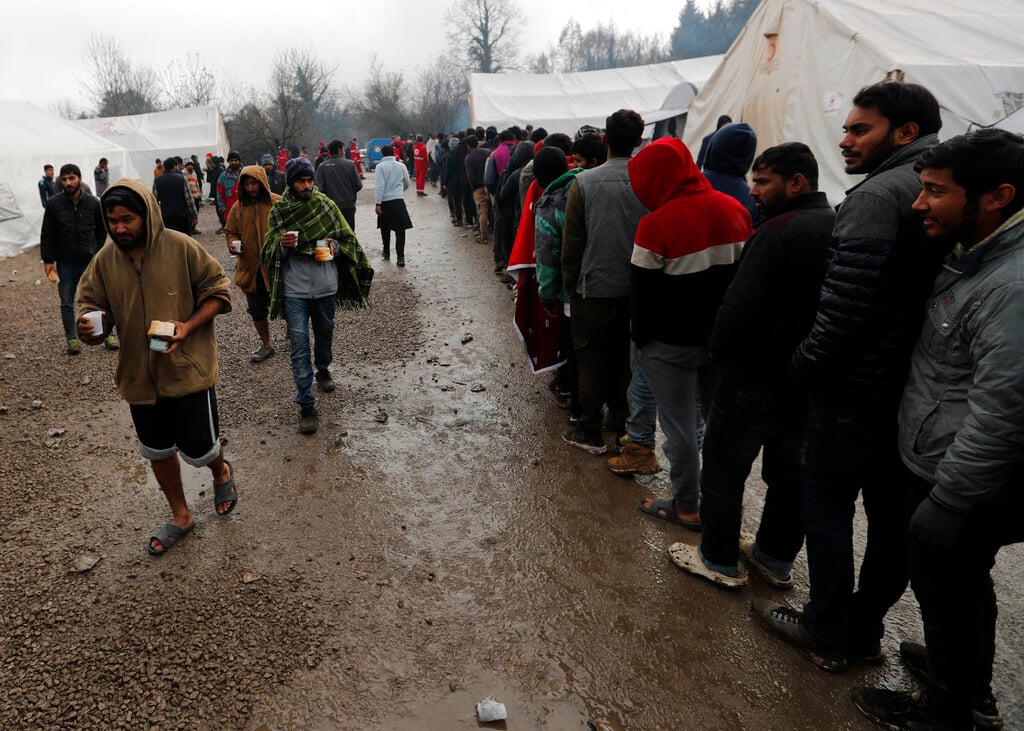
The European Union has enacted stringent new immigration legislation aimed at expediting the expulsion of migrants deemed ineligible for asylum as of Friday. The Migration and Asylum Agreement, passed in 2024, will introduce advanced screening technologies at borders and place asylum seekers in designated migration centres, or “hotspots,” to ensure rapid processing of their applications, which are often denied.
Concerns Over Human Rights and Treatment of Migrants
Human rights advocates and immigration specialists have expressed concerns that these new measures prioritize the perception of migrants as potential security threats over their humanitarian needs. Critics warn that this shift in focus could lead to increasingly harsh treatment of immigrants and systematic unfairness in the asylum process.
Significant Changes in Asylum Framework
Experts highlight that the agreement represents a notable shift away from Europe’s historically humanitarian approach to asylum, driven by a backdrop of rising anti-immigration sentiment. The legal framework for asylum, shaped significantly by the aftermath of World War II and the refugee crisis during the Yugoslav wars in the 1990s, now faces pressures that threaten its core tenets.
Political Climate Influencing Immigration Policies
Salvatore Nicolosi, an expert in immigration law at Utrecht University, noted that Europe is increasingly treating migrants as security risks. He asserted that the EU’s approach seeks to minimize migrant arrivals as much as possible. This trend aligns with an overarching movement towards a more restrictive immigration landscape, with the new agreement being perceived as a response to growing political polarization surrounding migration issues in Europe.
Debate and Division Among EU Countries
In April 2024, a narrow majority in the European Parliament approved the agreement, a move seen as a response to the mounting influence of far-right anti-immigration parties. Eda Gemi, an immigration law expert from New York University, indicated that this pact is a product of a decade-long political crisis related to migration, characterized by rising identity politics and public unease about irregular migration.
Implementation and Responses from EU Authorities
The EU hailed the implementation of the new agreement as a significant success in efforts to curb immigration debates. EU Commission President Ursula von der Leyen described the asylum law as effective and robust, asserting that it provides safer borders and enhanced solidarity among member states in managing asylum and return processes.
Challenges Ahead for Implementing the New Framework
The new rules signal a paradigm shift, emphasizing border control and externalizing responsibilities to non-EU countries such as Libya and Tunisia, aiming to deter migrants from attempting to reach EU territory. As Andreina de Leo, a researcher specializing in EU law, pointed out, while the agreement ostensibly maintains human rights principles, its practical implementation could undermine the very protections it seeks to uphold, especially for migrants from countries categorized as ‘safe’ by the EU.
Legal and Ethical Implications of the New Agreement
Legal experts predict that the new legislation may face challenges within EU courts, raising concerns about its potential to erode human rights standards. With the future of this agreement still uncertain, scrutiny over its adherence to judicial protections and its impact on the treatment of migrants is expected to intensify.
