


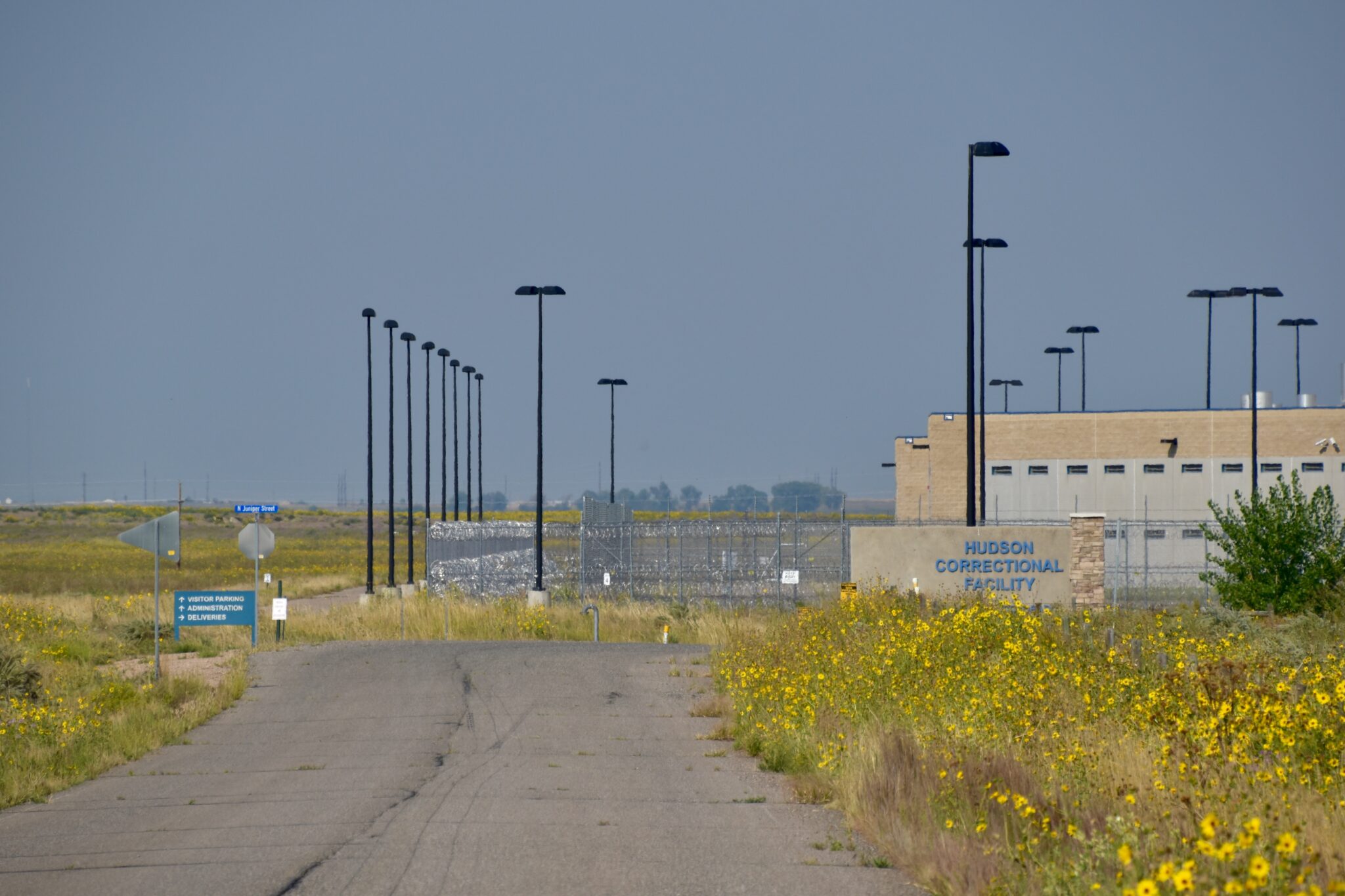
Nonprofit Sues Hudson Over Immigration Detention Center Plans
A nonprofit organization based in Denver, alongside residents near a decommissioned prison, is filing a lawsuit against the Town of Hudson. The complaint claims that local officials are bypassing land-use regulations to facilitate the reopening of an immigrant detention facility.
Details of the Lawsuit and Defendants
Janet Carlson, a resident of Weld County, and the multifaith organization Together Colorado initiated the legal action in state court on Wednesday. The suit names several defendants, including the Town of Hudson, its Town Council, Planning Commission, and Planning Director Jennifer Woods.
Legal Arguments Against Federal Overreach
The complaint asserts that U.S. Immigration and Customs Enforcement (ICE) and the GEO Group cannot compel Hudson or its residents to overlook established land-use laws. It argues that although the facility will be owned by a private real estate trust and operated under contract by a private company, federal law does not negate Hudson’s municipal zoning and land-use requirements.
Contractual Developments with GEO Group
Earlier this month, GEO Group announced a five-year agreement with the federal government to reopen the Hudson prison as an immigrant detention center. This approximately 1,200-bed facility is owned by Highlands Real Estate Investment Trust, based in Chicago, and has been dormant since its closure as a private prison for the Alaska Department of Corrections from 2009 to 2013.
Zoning Issues and Conditional Use Permits
The lawsuit highlights that the facility operated under an “adult moderate correctional facility” classification thanks to a conditional use permit approved by local voters in 2008. However, the Town’s land use code no longer designates a correctional facility as a permitted use under the relevant zoning, rendering the prior approval invalid after more than a decade.
Conflicting Claims by Hudson Officials
Officials from Hudson contend they lack jurisdiction over the reopening of the facility due to federal overrides. Yet, the lawsuit argues that because GEO Group and the real estate investment trust are private entities, the local land-use regulations remain applicable, irrespective of the federal nature of the detainees housed there.
Local Impact and Community Concerns
Carlson, residing just 1.5 miles from the proposed detention center, expressed her apprehensions regarding potential impacts such as increased noise, traffic, and safety hazards following the facility’s reopening. Although she had previously submitted a complaint to Hudson regarding alleged land-use violations, her concerns went unaddressed.
Community Reactions and Next Steps
Hudson Town Manager Bryce Lang emphasized that, while the role of local governance is to manage water, infrastructure, and public safety, decisions surrounding immigration enforcement are not within their purview. Meanwhile, the lawsuit seeks judicial intervention to compel Hudson to comply with its land-use laws and declare the previous conditional use permit null.
As Together Colorado Executive Director Megan Carrier noted, this case not only pertains to Hudson but also serves as a pivotal moment for communities across Colorado regarding their authority to resist federal pressure and protect local interests.
