


Updated April 18, 2026, 8:37 a.m. ET
Mission to Aid Asylum Seekers
Five months after his dismissal as a U.S. immigration judge, Jeremiah Johnson embarked on a poignant journey into the Guatemalan highlands, armed only with a bouquet of flowers. His goal was to connect with the relatives of Native Americans who had fled their villages and successfully secured asylum in the United States.
At 52, Johnson had dedicated nearly a decade as an immigration judge in San Francisco, a city noted for its progressive stance on immigration issues. He adjudicated hundreds of asylum cases, often hearing harrowing accounts of political and religious persecution, violence, and trauma. Remarkably, he granted asylum in approximately 89% of these cases, a statistic he suspects contributed to his targeting by the Trump administration, which sought to eliminate perceived biases affecting immigration outcomes.
The Justice Department, which supervises immigration judges, did not respond to inquiries regarding Johnson’s termination. As the Trump administration intensified its mass deportation efforts through aggressive Immigration and Customs Enforcement (ICE) actions, it simultaneously pursued reforms to reshape the immigration courts—entities with the authority to determine immigrants’ fates.
Change in Asylum Grant Rates
Since President Trump assumed office in January 2025, at least 107 immigration judges have been removed, including about 20 in San Francisco, according to the National Immigration Judges Association. Furthermore, around 50 judges have resigned or been dismissed across the country. The White House noted in a recent announcement that only 7% of asylum cases are currently being granted, a significant drop attributed to a New York Times study. The statement declared an end to the “era of amnesty.”
The right-leaning Center for Immigration Studies contends that this statistic encompasses not only judicial rulings but also cases where applicants failed to appear in court. In contrast, the asylum grant rate under President Joe Biden stood at 36% last year, incorporating similar non-appearances.
San Francisco’s immigration courts handle the third-highest number of asylum cases in the United States, trailing only New York and Miami, according to data from the Transaction Records Access Clearinghouse. The administration has mandated the closure of the San Francisco court by May 1, with most cases being redirected to judges in a smaller court located 30 miles away in Concord, California. This oversight has raised concerns among lawmakers, with Rep. Mark Desaulniers (D-Calif.) noting the pressure and lack of protections facing judges like Johnson.
Journey to Connection
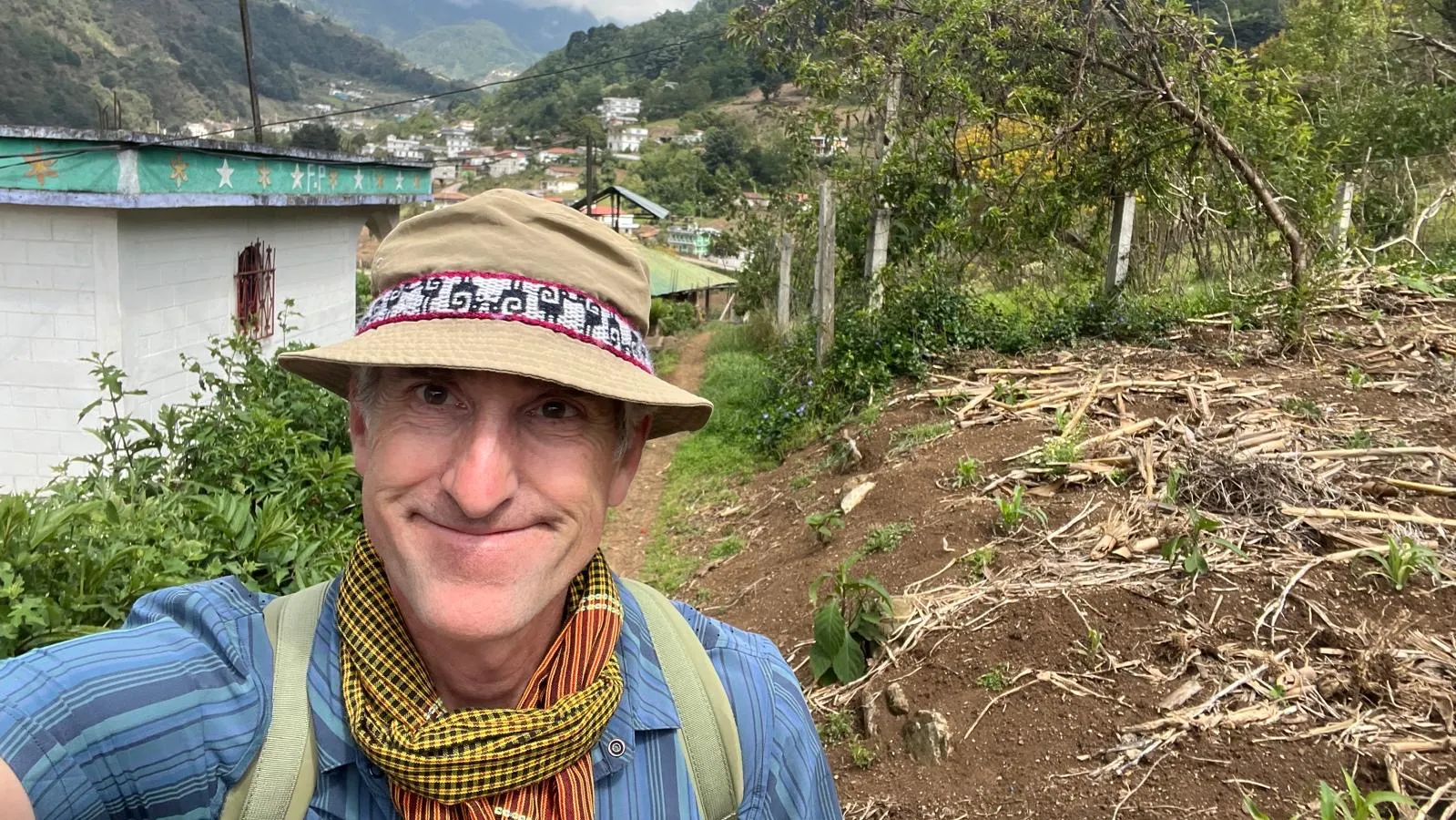
In mid-April, Johnson found himself aboard a bus traveling through the lush mountains southeast of Todos Santos, Guatemala, without a phone or a specific address in mind. He carried the names of family members written in a notebook and was accompanied by a local guide fluent in the indigenous Maam language. Wearing a bucket hat, he sought to fulfill a mission rooted in empathy.
Among the families he visited was a man who had fled persecution. The family belonged to the indigenous Mam-speaking Mayan community, embroiled in violent conflicts over water access with the Spanish-speaking Ladino population. An incident from 2017, as chronicled in the family’s asylum application, highlighted the brutal reality they faced when a group of Ladino men attacked this man’s brother while they were fetching water, leading to tragedy and further escalation of violence against the family.
Johnson had previously heard these harrowing testimonies in court, a profound reminder of the challenges facing many asylum seekers. He recalls delivering the final judgment in the family’s case: granting them asylum in the United States, a decision that held immense meaning for those seeking safety from decades of unrest.
A Commitment to Justice
Appointed by former Attorney General Jeff Sessions during Trump’s first term, Johnson’s journey into immigration law was shaped by a commitment to justice and the needs of others. His education at the University of San Francisco School of Law and his experiences as an asylum officer inspired his compassion for those navigating the complexities of immigration systems.
He attributed his higher asylum grant rates compared to other jurisdictions to a diverse mix of cases and the experienced representation available in San Francisco. However, the closure of this vital court symbolizes a significant victory for the Trump administration, which aims to reshape the immigration landscape to reflect its staunch policies.
Ongoing Challenges and Future Prospects
The Justice Department’s warnings to judges reflect deeper issues within the immigration system, with officials acknowledging perceived biases favoring asylum seekers. Johnson’s termination letter arrived unexpectedly, compelling him to reflect on the tumultuous changes occurring within his line of work.
Despite the systemic challenges, the push for an independent immigration court system continues. A bill first introduced in 2022 is currently being reintroduced and seeks to safeguard immigration courts from executive meddling, echoing sentiments from judges and advocates alike.
On the day he was dismissed, Johnson’s case record contained only one asylum application left unresolved: a family of four from Guatemala. Following his ousting, he turned his focus outward, connecting with humanitarian workers, ranchers, and former Border Patrol agents along the immigration trail. In Guatemala, he was finally able to reunite with the parents of a male survivor, providing them a connection to their son’s tragic story as well as flowers, grief, and unresolved questions about their past.
