


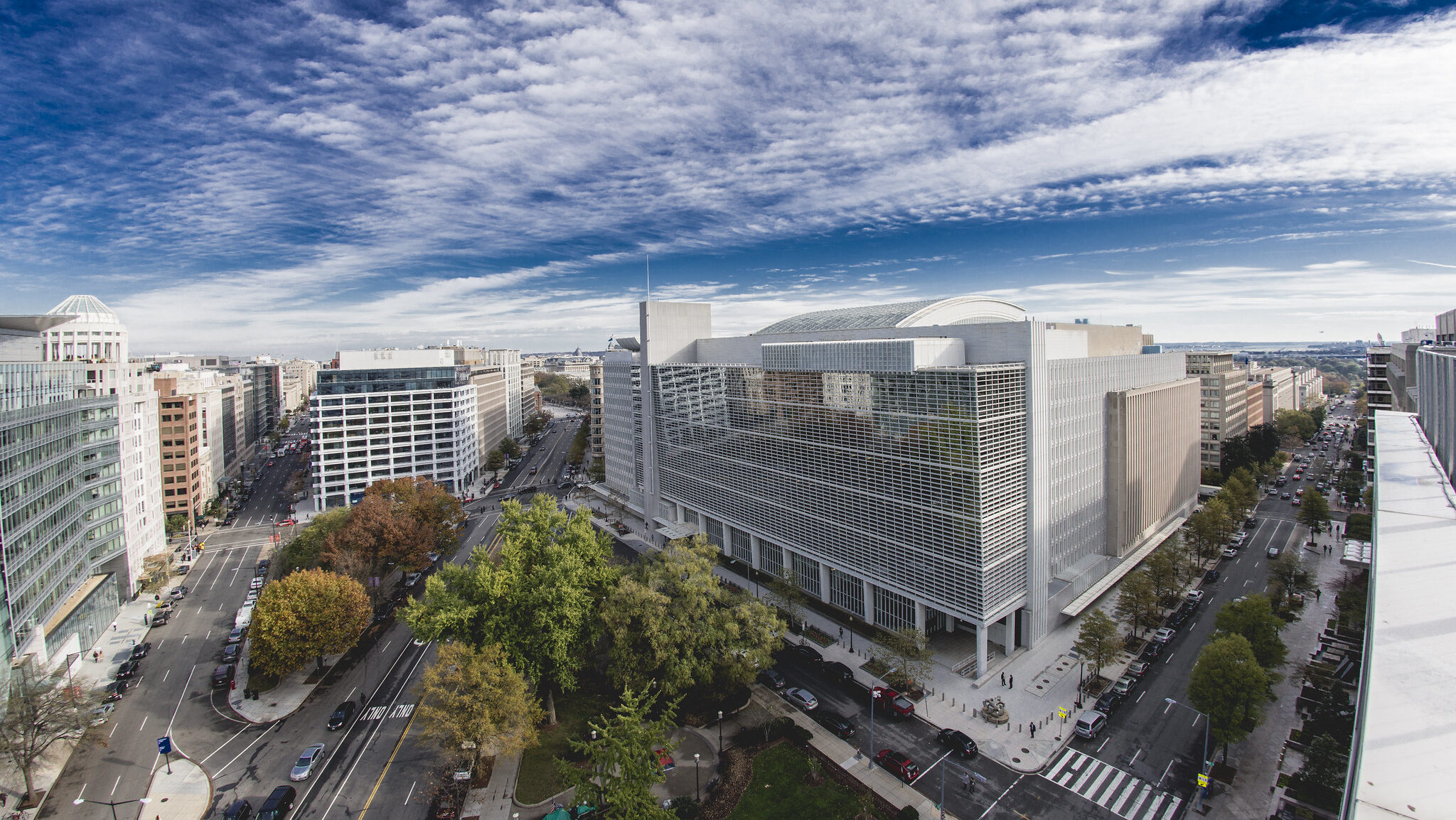
International Agencies Develop Response Strategies for Global Economic Impact
Leaders from the International Energy Agency (IEA), the International Monetary Fund (IMF), and the World Bank Group announced their collaboration on tailored policies and financial support designed to mitigate the financial repercussions of the ongoing conflict in the Middle East on global energy and economies.
Coordinated Efforts Amid Ongoing Conflict
In a joint statement released on Monday, these international organizations outlined their strategies to alleviate the economic disruption caused by the Middle East conflict. This initiative is part of a coordinating group formed in early April specifically to address the energy and economic challenges that have emerged from the ongoing hostilities.
Disruptions to Oil Supply and Rising Energy Costs
The conflict, which escalated between the United States, Israel, and Iran on February 28, has significantly disrupted global oil supplies, particularly through the critical Strait of Hormuz. As a result, the economic shockwaves from the war have driven prices for oil, gas, and fertilizers to unprecedented levels, raising concerns about food security and potential job losses.
Impact on Vulnerable Economies
According to statements from the IEA, IMF, and World Bank, the impact of the war has been disproportionately felt by energy-importing nations, particularly those with lower income levels. As noted, the spike in costs for essential commodities has generated alarm over food security and employment stability. Meanwhile, oil and gas producers in the Middle East are reportedly experiencing a marked decline in export revenues.
Uncertainty in Shipping and Long-term Recovery
Despite ongoing efforts, normal shipping operations through the Strait of Hormuz have yet to be restored, contributing to an uncertain economic landscape. The coordinating group emphasized that the negative effects of the war on the global economy could extend for some time, even after shipping returns to routine practices. They cautioned that repairs to damaged infrastructure may prolong high prices for fuel and fertilizers.
Strategic Collaboration for Economic Resilience
The agencies are uniting their resources and expertise, working on a national scale to provide tailored policy advice aimed at helping countries navigate the economic downturn prompted by the conflict. Updated reports, including the IEA’s Monthly Oil Market Report and the IMF’s World Economic Outlook, are anticipated to offer specific guidance for the countries most severely impacted by these developments.
Commitment to Coordinated Support for Affected Nations
The leadership from these organizations reaffirmed their dedication to coordinated responses and ongoing support for member states to facilitate a resilient recovery. Plans are in place to monitor the evolving situation continuously and to assess its effects on energy markets and global economies. By leveraging the expertise of various international organizations, they aim to establish a framework for a stable recovery that promotes growth and job creation.
