


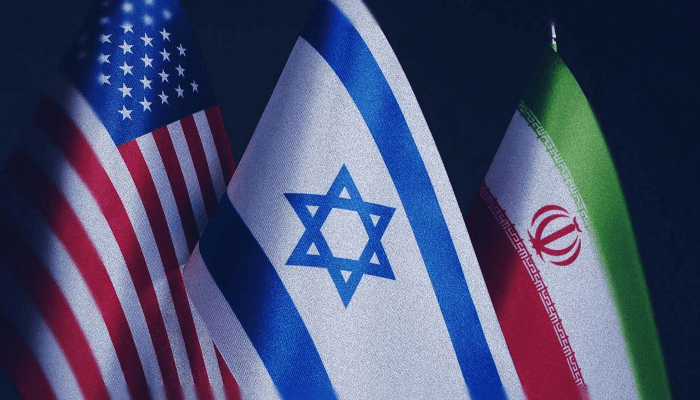
Iran Calls on BRICS to Denounce US and Israel Amid Ongoing Conflict
During a tense summit in New Delhi overshadowed by conflicts in the Middle East and instability in global energy markets, Iran urged BRICS countries to condemn alleged violations of international law by the United States and Israel. Iranian Foreign Minister Abbas Araghchi criticized what he described as “illegal expansionism and warmongering” from these nations, urging BRICS+ members to resist Western dominance.
Moreover, Araghchi accused the United Arab Emirates of actively participating in military operations against Iran, escalating tensions between Tehran and various Gulf states, despite the UAE’s presence at the summit. The BRICS+ bloc comprises Brazil, Russia, India, China, South Africa, Egypt, Ethiopia, Indonesia, Iran, and the UAE.
Iran Implements Tiered Internet Access During Nationwide Blackout
In a move to control information flow during a widespread internet blackout, Iran is instituting a tiered internet access system that grants limited connectivity to select individuals and organizations. President Masoud Pezeshkian announced the establishment of a new agency to manage cyberspace, appointing First Vice President Mohammad Reza Aref to lead the effort.
This initiative has raised concerns among digital rights advocates, who warn that it could exacerbate restrictions on the general populace by providing selective internet access while enforcing broad censorship.
Trump Administration Announcements Boost UN Funding
The Trump administration has pledged an additional $1.8 billion in humanitarian aid to the United Nations, reinforcing its commitment to a comprehensive review of U.S. foreign aid expenditures. U.S. Ambassador to the United Nations Mike Walz emphasized the funding reflects the administration’s focus on “transparency” and institutional reforms within the UN framework.
Despite this new financial commitment, U.S. humanitarian aid remains significantly lower than previous years, with funding reaching approximately $17 billion in fiscal year 2022.
Latvian Prime Minister Resigns Amid Drone Security Controversy
Latvia’s Prime Minister Evika Sirina has stepped down after her coalition government lost its parliamentary majority due to mounting criticism over its response to the alleged incursion of a Ukrainian drone into Latvian airspace. Her resignation follows the earlier departure of Defense Minister Andris Spruds, who resigned in connection with the same incident involving drones, one of which crashed near a fuel storage facility.
This political turmoil raises concerns regarding airspace security in the Baltic Sea region amid ongoing conflicts in Ukraine.
Trump and Xi Agree on Importance of Open Strait of Hormuz
During discussions addressing the escalating crisis in the Middle East and stalled negotiations with Iran, President Donald Trump and Chinese President Xi Jinping emphasized the necessity of keeping the Strait of Hormuz open. The White House stated that both leaders opposed any efforts to impose shipping tolls or to further militarize this vital waterway, which is critical for global oil exports.
These conversations occur as Chinese commercial vessels continue to navigate the strait amid rising geopolitical tensions and fluctuations in energy markets.
Morocco Allocates Additional Funds to Mitigate Economic Impacts of Conflict
In response to the economic repercussions of the ongoing Middle East conflict and surging energy prices, Morocco has announced a plan to inject an additional $2 billion into its budget for 2026. Government officials indicated that this financial boost is intended to stabilize consumer prices and protect the purchasing power of its citizens as the nation grapples with increasing costs associated with importing oil, gas, and coal.
Lacking domestic refining capabilities, Morocco is particularly susceptible to supply disruptions stemming from turmoil surrounding the Strait of Hormuz.
Kenya Raises Fuel Prices Amid Ongoing Global Oil Turbulence
In light of persistent tensions in the Middle East, Kenya has significantly increased retail fuel prices for the second consecutive month. The Energy and Petroleum Regulatory Authority has announced that petrol prices will rise to 214.25 Kenyan shillings per liter, while diesel prices will reach 242.92 shillings. With the Kenyan economy heavily reliant on fuel imports from Gulf countries, the nation continues to face vulnerabilities due to the ongoing crisis in the Strait of Hormuz.
Zambia Rescinds Export Restrictions on Sulfuric Acid to Congo
Zambia has lifted export restrictions on sulfuric acid for two copper producers, a decision made in response to previous limitations that resulted in a shortage of this essential material for mining operations in Central Africa’s copper belt. Sulfuric acid is a crucial component in the extraction of copper and cobalt, both vital for clean energy technologies. Last year, Zambia had implemented these restrictions following global supply disruptions linked to the Iran conflict, which impacted the chemical market.
The Congolese mining sector faces potential production cuts if the acid supply shortage continues, underscoring the interconnectedness of the region’s mining and chemical industries.
Severe Hunger Threatens Nearly 20 Million in Sudan, UN Report Reveals
A recent report from a UN-supported food security assessment has brought alarming news: nearly 20 million Sudanese are facing severe hunger, with some regions reportedly spiraling into famine due to ongoing civil conflict. The report highlights that 14 areas, particularly in Darfur and South Kordofan, are at imminent risk of famine, affecting over 135,000 individuals classified as being in catastrophic levels of hunger.
Aid organizations warn that families are resorting to desperate measures for survival, including consuming leaves and animal feed, as fighting between Sudan’s military and emergency aid forces continues to disrupt food supplies and forcibly displace millions of inhabitants.
