


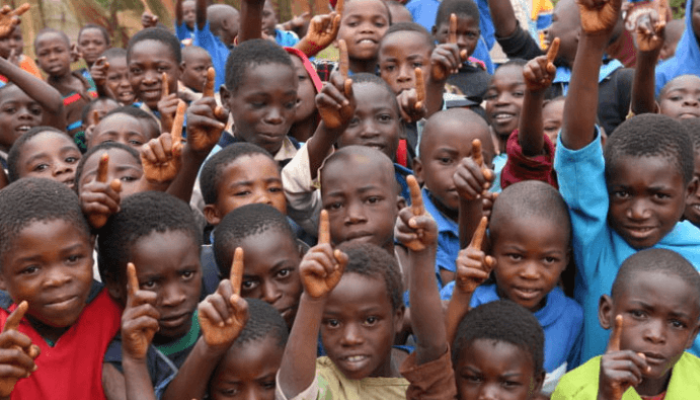
A Growing Crisis in Urban Nigeria
Across major Nigerian cities such as Lagos, Abuja, Kano, Ibadan, and Port Harcourt, a silent yet devastating tragedy is unfolding daily. Children navigate through congested traffic, tapping on car windows, pleading for change, selling bags of water, and wiping windshields. Some are barefoot; many appear malnourished. Alarmingly, countless children are too young to even comprehend the urban chaos engulfing them.
Normalization of Childhood Vulnerability
The most unsettling aspect of this situation is not merely the sheer number of vulnerable children but the troubling acceptance of their existence within Nigerian society. It is grimly concerning when childhood moves from homes, schools, and playgrounds to the streets, under bridges, and market corners. This troubling trend is becoming normalized in the country’s urban environments, signaling a significant societal shift towards accepting vulnerable children as a permanent part of city life.
Failures of Institutional Support
The term “street urchins,” often used in Nigeria, fails to capture the reality of these children, who are not just the victims of poverty but also the visible effects of systemic neglect. After long days spent in traffic, some return to fragile family structures, while others exist in complete disconnection from family life, relying solely on the informal street economy for survival. According to UNICEF, Nigeria houses one of the largest populations of vulnerable children globally, many of whom face exploitation, abuse, and social exclusion. The plight of these children highlights deep-rooted institutional failures that precede their street existence.
Underlying Causes of Vulnerability
While poverty undeniably contributes to this crisis, it does not fully explain the situation. A more profound issue lies in the disintegration of support systems that once safeguarded vulnerable populations. Families, strained by inflation and unemployment, can no longer provide adequate care. The public education system suffers from chronic underfunding, leading to a diminishing quality of education. Moreover, the social welfare structure remains weak, and child protection is often overlooked in urban planning. In many communities, survival has become so difficult that childhood itself is increasingly relegated to the street economy.
The Street as a Substitute Welfare System
Consequently, the streets have emerged as the fastest-growing informal welfare system in Nigeria. For many vulnerable children, the streets provide income and social engagement, offering a survival logic that formal systems can no longer assure. This reality persists despite sporadic government interventions, which include public relations initiatives and occasional crackdowns. Children return to the streets not out of choice, but because those environments function more effectively than the institutions designed to protect them.
The Almajiri Crisis as a Reflection of National Neglect
The Almajiri crisis in northern Nigeria exemplifies this contradiction. Initially a respected tradition of Islamic education, it has devolved into a breeding ground for childhood vulnerability due to decades of poverty, state neglect, and ineffective reforms. Thousands of children are now adrift in urban areas, reliant on handouts and vulnerable to exploitation, cut off from structured education. While successive governments have proposed reforms and intervention programs, implementation has repeatedly faltered, hampered by political inconsistencies and inadequate funding.
Implications for Nigeria’s Future
The rapid urban expansion across Nigeria occurs in stark contrast to the lack of necessary welfare infrastructure that could ensure human dignity. Luxury developments coexist with extensive informal settlements, leading to a disturbing juxtaposition where children sleep under overpasses while politicians celebrate economic growth. This contradiction manifests as cities generate wealth alongside massive social exclusion, risking long-term humanitarian consequences.
