


Lagos State Pursues Ambitious Health Financing Reforms
The Lagos State Government has initiated substantial reforms in health financing, workforce, and infrastructure aimed at broadening health insurance coverage, enhancing service delivery, and establishing Lagos as Africa’s premier health destination.
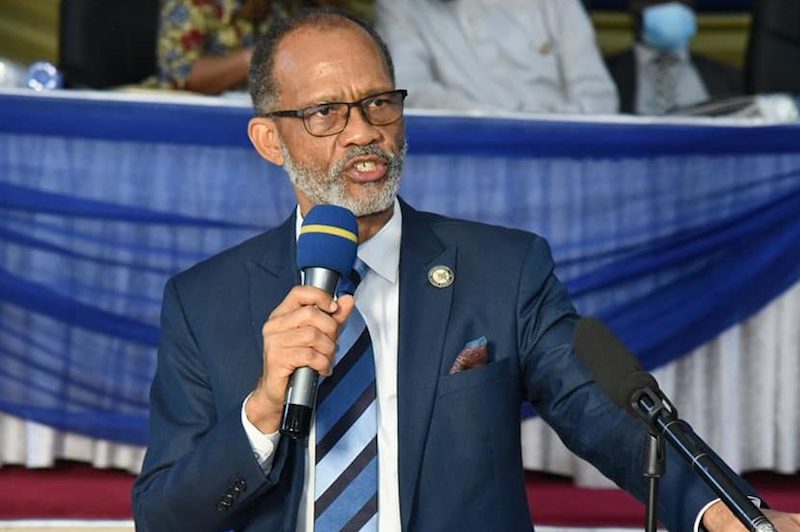
During the 2026 Cabinet Press Conference at the Bagauda Karto Press Center in Alausa, Ikeja, Health Commissioner Professor Akin Abayomi revealed that the state is intensifying efforts to bridge the considerable N100 billion gap between available health funds and the financial resources necessary to meet the healthcare demands of its residents.
This announcement coincided with the seventh anniversary of Governor Babajide Sanwo-Olu’s administration, marking significant achievements alongside Deputy Governor Obafemi Hamzat.
Abayomi pointed out that Lagos allocates approximately 8% of its annual budget to healthcare, significantly below the 15% benchmark recommended by the Abuja Declaration. He emphasized that this funding disparity, combined with escalating healthcare demands in a rapidly urbanizing environment, necessitates exploring alternative funding solutions.
The state government has identified compulsory health insurance and the strengthening of public-private partnerships as critical strategies to achieve sustainable health financing. Abayomi highlighted, “There is a gap between what you have in your budget and what you ideally want to spend.” He elaborated, “The difference is at least N100 billion. For us, the answer lies in health insurance and public-private partnerships.”
He noted that Governor Sanwo-Olu had signed an executive order on July 16, 2024, introducing mandatory health insurance for all Lagos residents through the National Health Insurance Authority Act. State ministries and agencies will now require residents seeking government services to provide proof of accredited health insurance coverage.
This initiative is expected to significantly boost enrollment in the health insurance system, creating a sustainable funding source for health infrastructure, services, and support for vulnerable populations. Abayomi described health insurance as a collective societal obligation, where “the healthy assist the sick and the wealthy aid the less fortunate.”
Current Health Coverage and Future Aspirations
While Lagos has a long way to go to achieve universal health coverage, over 1.46 million residents have already enrolled in the Ilera Eco health insurance scheme offered by the Lagos State Health Management Authority. Abayomi expressed concern over Nigeria’s heavy reliance on out-of-pocket healthcare expenses, revealing that approximately 77% of healthcare costs are borne directly by citizens, with a mere 2% covered by insurance.
Looking forward, Abayomi outlined the Lagos Development Plan 2052, envisioning the city as one of Africa’s top three medical hubs within the next decade. The government’s priorities include reducing maternal mortality, enhancing primary healthcare, improving child nutrition, and reversing the trend of overseas medical tourism.
“We do not want Lagosians traveling abroad for medical treatment in Dubai, London, India, or South Africa. Instead, we aim to provide all specialties and sub-specialties right here in Lagos,” he stated. Furthermore, Abayomi stressed the importance of integrating and regulating informal healthcare providers, including patent medicine vendors, traditional medicine practitioners, and community pharmacies, into the wider healthcare system.
Investment in Education and Workforce Development
He remarked that healthcare provision in Lagos extends beyond public hospitals, with over 3,500 registered private healthcare facilities operating in the state. To further bolster the medical workforce, he announced the establishment of an independent University of Medicine and Health Sciences in Lagos, designed to produce doctors, nurses, pharmacists, and other health professionals amid the global migration of healthcare workers.
This new institution will decentralize clinical training and invite both local and diaspora experts to enhance the state’s medical workforce. Additionally, Dr. Kemi Ogunyemi, Special Adviser to the Governor on Health, underlined the role of the Health Facilities Monitoring and Accreditation Agency (HEFAMAA) in ensuring patient safety and maintaining standards across Lagos’s health facilities. He urged residents to report unaccredited facilities and any cases of substandard medical practice to the relevant authorities.
In closing, Dr. Dayo Rajide, Permanent Secretary of the Lagos State Ministry of Health, commended the resilience and dedication of healthcare workers throughout the state, even amid the increasing pressures facing the health sector.
