


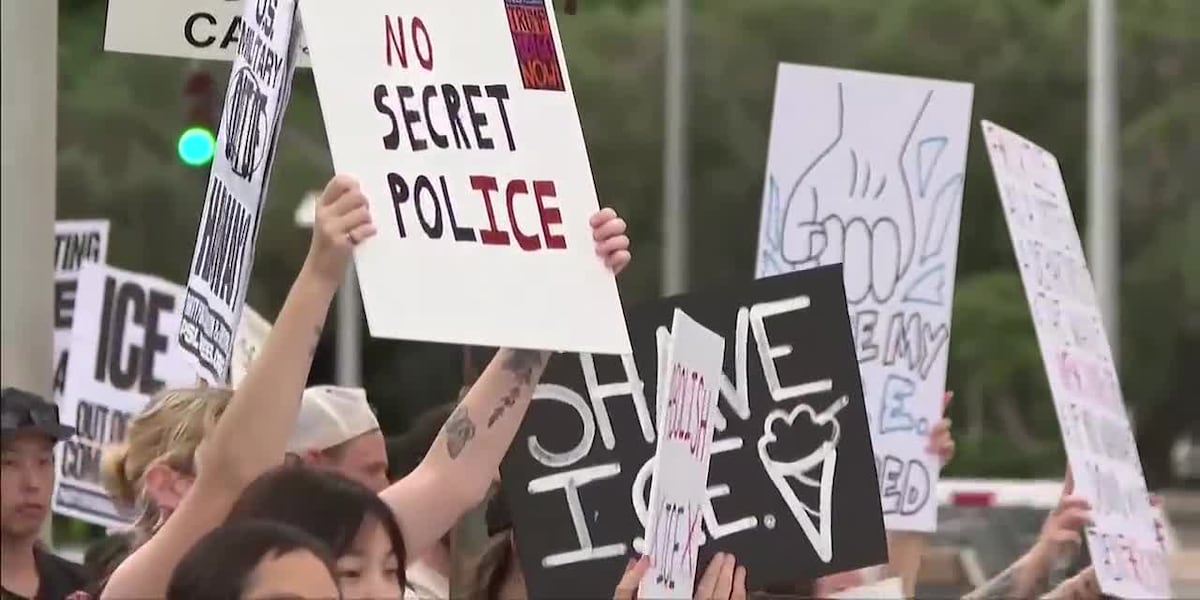
Hawaii Enacts Progressive Immigrant Justice Legal Framework
Human rights advocates in Hawaii are celebrating the recent enactment of the state’s most robust immigrant justice law to date. This legislation arrives in response to mounting concerns over fatalities during ICE operations on the mainland and the broader economic implications of immigration enforcement.
Local Economy Impacted by Increased ICE Activity
The Immigrant Justice Coalition contends that the rise in ICE raids across Hawaii not only instills fear among residents but also adversely affects local businesses and tax revenues. In light of these challenges, new laws have been instituted to mitigate their effects.
Challenges Faced by Agriculture Sector
“Kona coffee farmers heavily depend on migrant labor during peak seasons, but the ongoing harsh weather conditions in other regions have deterred many from traveling to Hawaii,” remarked Sergio Alcubira, Community Engagement Director for the ACLU of Hawaii. He emphasized that this phenomenon is significantly impacting both the local economy and agricultural producers.
The Economic Significance of Immigrant Communities
Remarkably, one in five residents in Hawaii was born outside the United States, contributing approximately $18 billion to the state’s GDP annually through wages, spending, and tax contributions. Critics of federal enforcement measures argue that the fear generated by ICE activities places this economic stability at risk.
Fear Hinders Access to Essential Services
“People are reluctant to send their children to school,” stated Ana Flores, a legal policy researcher at The Legal Clinic. “Many individuals avoid hospitals for medical care due to the fear of being detained while seeking assistance.” Concerns have even extended to lawful residents who feel unsafe driving due to potential ICE encounters.
Legislative Measures Addressing Immigrant Safety
In response to these growing apprehensions, the state Legislature has enacted six significant laws. Key among these are measures prohibiting local law enforcement from collaborating with federal ICE agents and safeguarding community spaces such as schools, hospitals, and places of worship. Additional laws aim to protect survivors of human trafficking and nonviolent misdemeanors, enhance due process rights, and broaden language access.
Advocates Stand Firm Against Potential Federal Retaliation
When questioned about the risk of federal reprisals, such as reductions in funding, supporters expressed their determination to prioritize these reforms. “Regardless of our actions, retaliation seems inevitable, so we must advocate for what we believe is right,” stated Amy Agbayani, an experienced civil rights activist and director of The Legal Clinic.
Ongoing Advocacy and Community Engagement Efforts
While critics argue that lax enforcement allows criminal elements to evade justice, The Legal Clinic highlights that approximately 70% of individuals in federal custody possess no criminal record. “The prevailing narrative suggesting that we are allowing the worst offenders to go free is misleading and disproportionately affects hardworking families,” Flores explained. Advocates are now focused on educating the public and ensuring effective enforcement of the new laws, with a statewide immigrant inclusion conference scheduled for September 30. A ceremonial bill-signing event with Governor Josh Green will take place on July 28 to honor those who have lost their lives to ICE-related actions.
