


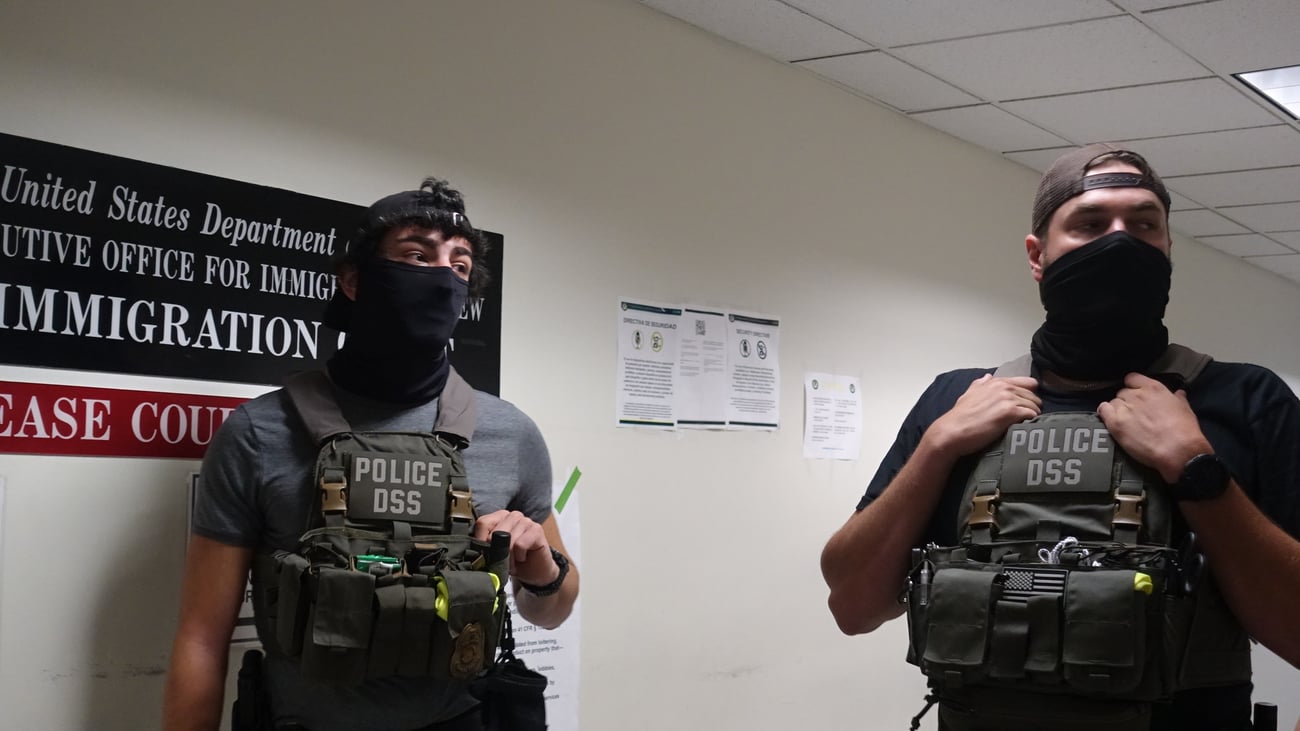
ICE Continues Arrests in Manhattan Immigration Court Despite Court Ruling
Authorities have apprehended at least six individuals in Manhattan immigration court since a federal judge’s intervention in May aimed at curtailing such practices.
In May, U.S. District Judge Kevin Castel, appointed by President George W. Bush, declared that Immigration and Customs Enforcement (ICE) lacked legal grounds to detain individuals in immigration court. His ruling effectively halted ICE’s contentious policy of arresting individuals when they arrive for mandatory immigration hearings.
Despite this directive, ICE has persisted in making arrests at the Manhattan immigration court. The most recent detention occurred on Thursday when agents arrested Bronx resident Matar Ndiaye while he was attending a hearing for his asylum application.
Ndiaye’s habeas corpus petition detailed his compliant attendance at numerous immigration hearings since his arrival in the United States. He stated, “Today, July 16, 2026. After attending a master calendar hearing at 290 Broadway, where I was assigned a new court date for a private hearing in April 2027, I was immediately taken into custody.”
He emphasized that he received no prior notice or due process before his arrest, noting that an immigration judge had previously deemed him neither a flight risk nor a community threat. Ndiaye described his establishment of a stable life in the Bronx, asserting that he has no criminal convictions and has adhered to all immigration protocols.
Records from ICE indicate that Ndiaye was initially held at a facility in Lower Manhattan before being transferred to Delaney Hall, a high-security detention center in New Jersey. His claim of denied due process resonates with the experiences of numerous habeas petitioners affected by the Trump administration’s extensive deportation initiatives.
Following Judge Castel’s ruling, ICE has attempted to rationalize ongoing arrests in immigration court by raising concerns about safety due to potential anti-ICE protests. The agency argues that its actions are justified under a limited exception outlined by Castel, which permits arrests in cases involving national security or public safety threats.
As part of its continued procedures, ICE made claims earlier this month referencing past arrests, though the Department of Homeland Security, which oversees the agency, has not provided specific comments regarding Ndiaye’s case.
Ndiaye’s attorney, Kyle Barron, condemned the government’s policy of detaining individuals who comply with immigration court requirements, reflecting a clear intent to deter noncitizens from seeking legal recourse in immigration matters. He pointed out that such arrests disrupt the judicial process and have a chilling effect on individuals seeking to access their legal rights.
On Friday, Judge Castel requested clarification from the government regarding the rationale behind ongoing arrests in immigration court unrelated to Ndiaye’s situation. He set a deadline for this explanation by July 31, 2026. Previously, Castel had authorized immigration court arrests in 2025 based on an internal ICE memo but reversed that decision after it was revealed that ICE had misled prosecutors regarding the memo’s intent.
