


Trump Administration’s Immigration Policies Lead to Wasteful Spending
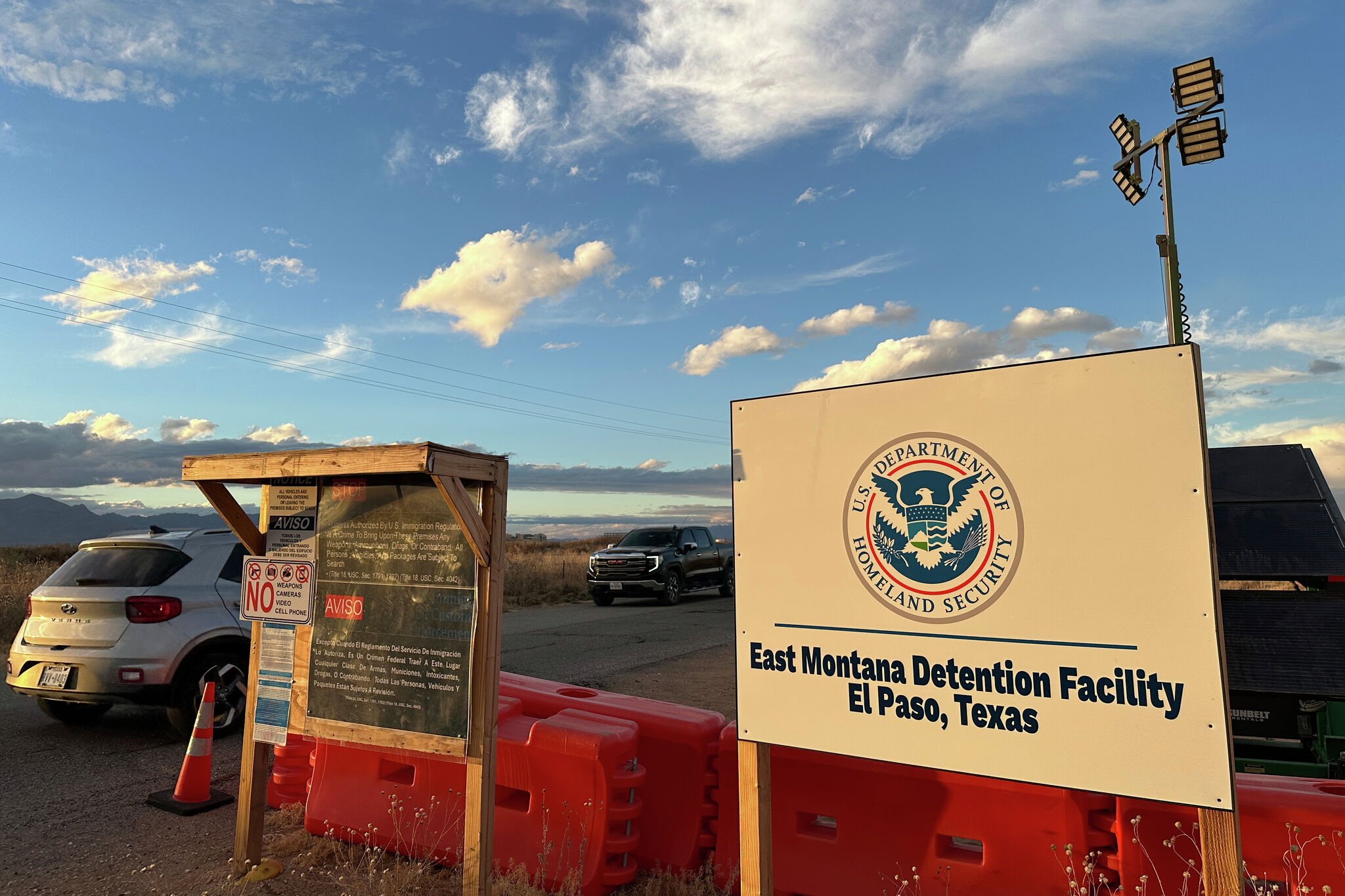
In its pursuit of detaining and deporting undocumented immigrants, the Trump administration squandered tens of millions of taxpayer dollars at a detention facility near El Paso. This audit report, highlighting unnecessary expenditures, was released concurrently with the U.S. House of Representatives’ approval of an additional $70 billion for Immigration and Customs Enforcement (ICE) and Border Security.
GAO Report Calls for Enhanced Congressional Oversight
The latest findings come from the U.S. Government Accountability Office (GAO), an independent, nonpartisan entity that assesses the performance and spending of federal agencies for Congress. The audit serves as a stark reminder that Congress must intensify its scrutiny of how ICE and Customs and Border Protection (CBP) utilize their significantly expanded budgets.
Rapid Expansion of ICE Under Trump’s Second Term
Since the onset of President Donald Trump’s second term, ICE has experienced substantial growth. The average daily detainee count surged by 71%, while the number of detention centers increased by 78%. Further, plans are in place to establish even more facilities to accommodate this growing population.
Camp East Montana Illustrates Expansion Efforts
One notable outcome of this expansion is Camp East Montana at Fort Bliss. To rapidly enhance capacity, immigration officials collaborated with the U.S. military last year to construct a 5,000-bed facility. Media reports reveal that the original contract exceeded $1 billion and was awarded to a relatively small firm lacking experience in managing detention facilities.
Issues Arise from Insufficient Oversight
The GAO reported that ICE officials failed to inspect Camp East Montana prior to its opening in early August, with the first detainees arriving on August 16. The audit exposed that during the initial two weeks of operations, approximately $11.5 million was spent on security, food, transportation, and medical services, despite the facility being largely unoccupied. From October to March, when the average population stood at about 1,600 detainees, ICE continued to pay for meals as if the facility were filled to its 5,000-bed capacity, resulting in an additional waste of $7.1 million.
Operational Shortcomings and Health Risks
Beyond financial waste, Camp East Montana exhibited serious operational deficiencies. An internal inspection by ICE revealed that the facility’s staffing adequacy could not be assessed due to the contractor’s failure to provide necessary data. Additionally, the absence of surveillance cameras around the perimeter raised security concerns. Issues extended to equipment security and the management of ammunition inventories. Remarkably, a guard misplaced a loaded weapon in January, which had yet to be found by the end of the audit period in March.
Health and Safety Protocols Ignored
The deficiencies did not stop there. ICE failed to document instances where force was used against detainees, neglecting to follow up with medical personnel or record incidents appropriately. Required tuberculosis tests were overlooked, and detainees showing symptoms were not properly isolated. A measles outbreak occurred, yet ICE officials remained largely silent regarding the situation.
Future Challenges for Camp East Montana
A different contractor currently oversees operations at Camp East Montana, but there are no guarantees that improvements will be realized. Increased funding often comes with higher risks and does not ensure enhanced performance. Continuous and thorough monitoring is essential, along with transparency to identify and rectify ongoing issues, leading to concerns about Congress’s preparedness for such oversight.
