


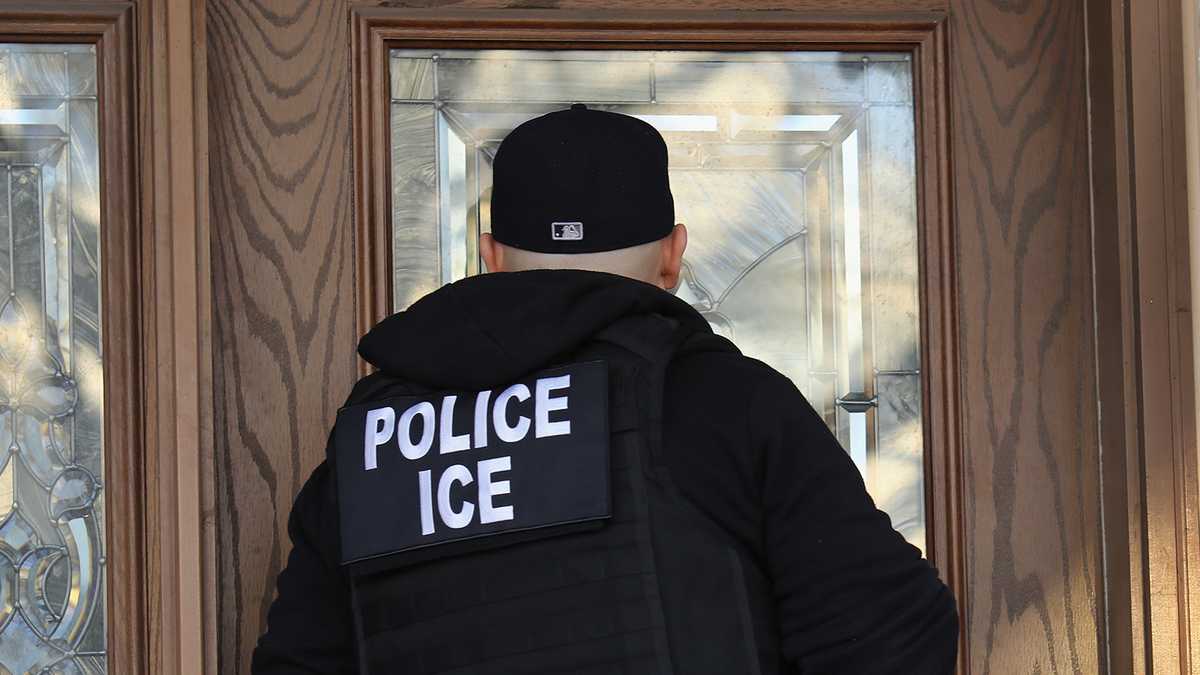
Immigration Enforcement Funding Bill Faces Delays in Washington
Republicans in Washington are grappling with significant delays in advancing an immigration enforcement funding bill amid contentious debates over President Donald Trump’s spending priorities and other pressing issues. The deadline set by President Trump for the passage of a $71.7 billion partisan reconciliation bill has arrived, yet lawmakers will not be casting their votes today, putting the bill further behind schedule.
Key Priorities Elicit Hesitation Among GOP Leaders
Two of President Trump’s primary funding priorities are prompting hesitation among Republican leaders. The Trump administration is urging the inclusion of $1 billion earmarked for security at the White House and its banquet halls in the proposed legislation. Additionally, the recently announced $1.8 billion anti-weaponization fund from the Justice Department has generated controversy. This fund is designed to provide compensation to individuals who allege political targeting by the government, raising apprehensions among some Republican lawmakers, especially concerning those charged with involvement in the January 6, 2021, riot.
Protests Highlight Ongoing Immigration Concerns
Demonstrations over the conditions in immigration detention facilities in New Jersey have reignited focus on Trump’s deportation agenda, which could complicate the bill’s passage. Clashes erupted between protesters and law enforcement as individuals drew attention to a hunger strike at Delaney Hall, a private, for-profit detention facility in Newark that operates under contract with the Department of Homeland Security. Reports indicate that detainees are protesting against poor living conditions within the facility.
Republican Leadership Aims to Refocus Legislative Efforts
Senator Bill Hagerty (R-Tenn.) emphasized the need for Republican leadership to redirect focus towards adequately funding the Department of Homeland Security, including agencies such as Customs and Border Protection (CBP) and Immigration and Customs Enforcement (ICE). Hagerty stated, “Our leader, Sen. Thune, is bringing us back to ensure we adequately fund these essential agencies, so Democrats can no longer target them in their critiques.”
Financial Implications of Proposed Legislation
The original proposal, totaling approximately $70 billion, aims to restore crucial funding for U.S. Immigration and Customs Enforcement and Border Patrol. This legislation would sustain funding for these agencies through the end of the Trump administration, projected to result in an increase of around $70 billion in national debt, according to the Congressional Budget Office. This proposal comes after failed negotiations with Democrats over the implementation of new regulations on controversial immigration enforcement tactics previously employed by the Trump administration.
Reconciliation Process Offers Path for Passage
Republicans are utilizing a special parliamentary procedure known as reconciliation to advance their funding efforts, which allows these bills to pass with a simple majority rather than the traditional 60-vote threshold in the Senate. This strategy follows a previous bipartisan effort that resulted in a bill to fund remaining agencies within the Department of Homeland Security after DHS funding expired in February, which triggered the nation’s longest partial government shutdown.
Democrats Push Back on Immigration Enforcement Funding
Despite Republican efforts to pass a bill that would secure funding for agencies like ICE and CBP through September 2029, Democrats remain opposed to allocating additional funds for immigration enforcement. As legislators continue to navigate these complexities in Washington, the future of the immigration enforcement funding bill hangs in the balance.
