


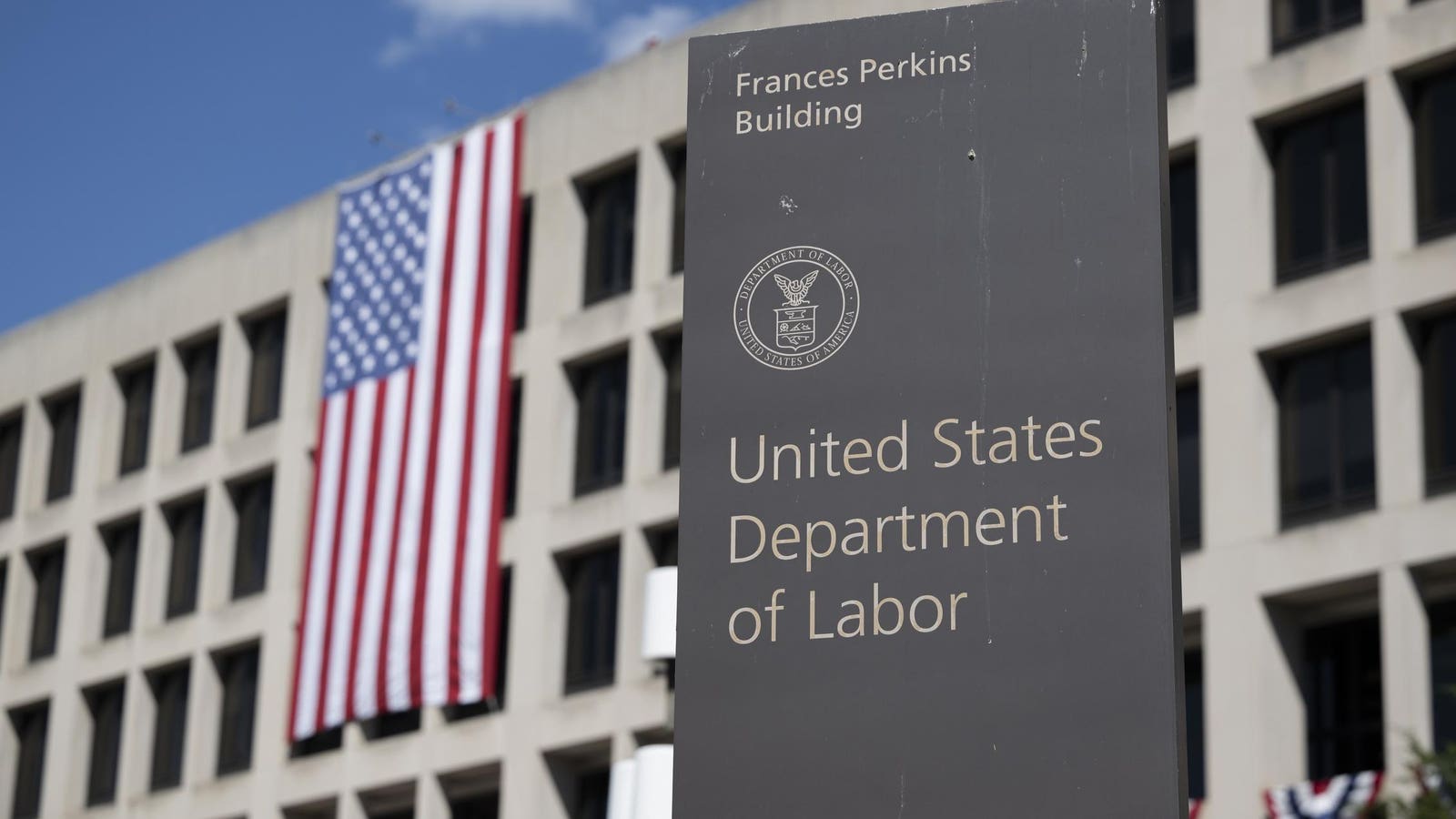
Proposed Wage Rules for H-1B Visa Holders Face Legal Scrutiny
A report has suggested that a rule proposed by the Trump administration, which seeks to mandate higher prevailing wages for H-1B visa holders and other employment-based immigrants, is likely to be illegal. The analysis indicates that private wage surveys, deemed by experts as the most reliable indicators of market wages, align well with the current prevailing wage system. Under the new Department of Labor proposals, employers may be compelled to pay H-1B professionals up to 33 percent more than the market rate for similar roles in the United States. Legal experts argue that U.S. immigration law does not authorize the Department of Labor to impose such wage premiums on employers.
H-1B Visas and Market Dynamics
The H-1B temporary visa serves as a critical pathway for highly skilled foreign professionals seeking long-term employment in the United States. Employers are required to pay at least the higher of the actual wage or the prevailing wage that similar U.S. professionals receive. Recruiting agencies from American universities have reported that international students account for approximately 75 to 80 percent of full-time graduate students in artificial intelligence-related fields, including computer science.
Impact of Increased Wage Requirements on Foreign Workers
These proposed rules risk displacing many highly skilled foreign workers from the U.S. labor market. They form part of a broader trend of restrictive policies targeting even the most educated individuals. For instance, in September 2025, the Trump administration implemented a $100,000 fee for new H-1B visa applicants. Moreover, on May 21, U.S. Citizenship and Immigration Services indicated that the requirement for green card applications to be processed at understaffed consulates could hinder many applicants from transitioning to permanent residency. The agency also noted a significant rise in denial rates for categories like Extraordinary Ability Aliens and National Interest Waivers during the last quarter of 2025.
Significant Salary Increases Proposed for H-1B Workers
In March, the Department of Labor proposed rules requiring employers to offer considerably higher salaries to H-1B visa holders, surpassing what similar U.S. professionals earn. However, a recent study has highlighted substantial flaws in these proposals, suggesting they may not withstand legal challenges. Following a June 2024 Supreme Court ruling against Roper Bright Enterprises, it was clarified that courts must independently verify if a government agency acted within its statutory boundaries without deference to the agency’s legal interpretations.
Discrepancies in Salary Analysis
The National Policy Foundation’s analysis underlined that the Department of Labor’s proposed rules are inconsistent with U.S. immigration law, mandating salaries that far exceed legal requirements. The analysis conducted by NFAP examined private wage data and concluded that the existing prevailing wage system is remarkably accurate. They found that the difference between current Department of Labor wages and those reported in a private survey by Willis Towers Watson is a mere 1 percent for entry-level positions across major H-1B occupations. This finding was consistent across ten major metropolitan areas, including New York City and Los Angeles.
Questionable Assumptions in Wage Rule Justifications
The wage rules proposed by the Department of Labor are grounded in questionable assumptions, such as the notion that H-1B workers earn less than their U.S. counterparts and that the existing wage structure is inadequate. Contrary to these claims, various studies have shown that many H-1B visa holders earn equal to or even higher salaries than comparable U.S. professionals. Research from George Mason University found that H-1B visa holders could earn up to 6 percent more than their U.S. counterparts. Similarly, findings from the University of Maryland suggested that non-U.S. citizen IT professionals do not necessarily earn less than their American peers.
Concerns Encompassed in New Calculations for Prevailing Wages
Critics of the proposal argue that the Department of Labor’s calculations obscure meaningful comparisons by mixing data across vastly different experience levels. For example, many H-1B applicants are early-career professionals, while the existing benchmarks may include individuals with significantly more experience. NFAP has raised concerns that the averages presented distort the actual salary landscape by including variables that cannot be factored into H-1B applications, like side jobs or bonuses. As a result, the proposed salary increases—averaging 33 percent for Level I positions and lower percentages for higher tiers—would create significant economic strain on employers.
Industry analysts warn that new regulations could compel employers to raise salaries significantly above market norms or leave essential roles unfilled, exacerbating talent shortages in high-skill sectors. Comments regarding these proposed regulations are due by May 26, and a final version could be enacted prior to the next H-1B registration period in March 2027.
