


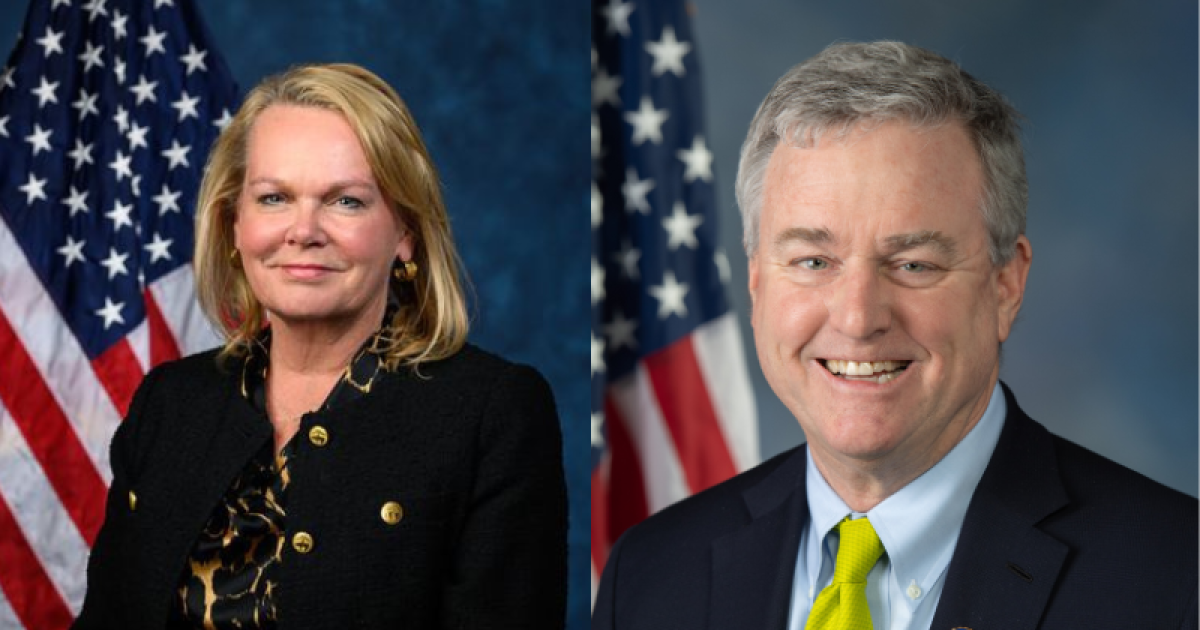
Immigration Debate Takes Center Stage in Maryland’s 6th Congressional District
Maryland’s 6th Congressional District is emerging as a critical battleground over immigration issues among Democratic voters. Former Congressman David Trone is challenging incumbent April McClain Delaney in the upcoming primary election scheduled for June 23. The district, which spans from upper Montgomery County to the edges of Maryland’s western panhandle, encompasses rolling hills, lush forests, and expansive farmland. However, a forthcoming renovation of an Immigration and Customs Enforcement (ICE) facility in Washington County could transform the area into a key site for immigration enforcement across multiple states. Trone credits McClain Delaney with contributing to this shift, particularly due to her support for the Laken-Riley Act, a legislative measure associated with the Trump administration’s broader immigration infrastructure agenda.
Trone previously served a six-year term on the district’s council before making an unsuccessful bid for the Senate in 2024. During that Senate campaign, he expressed his support for McClain Delaney’s replacement in an effort to separate the congressional seat from Republican influences. Now, two years later, Trone insists he barely recognizes the current legislative landscape and is determined to reclaim his position.
The Impact of the Laken-Riley Act
Central to the current electoral discourse is the Laken-Riley Act, named after a young college student who tragically lost her life in 2024 due to the actions of an undocumented individual. McClain Delaney supported this bill, which received backing from 45 other Democrats. The legislation mandates the Department of Homeland Security (DHS) to detain “certain non-U.S. persons” arrested for various crimes without requiring a conviction. This has raised concerns among organizations such as the National Immigration Project (NIP), which argues that the Act could lead to the unjust detention of individuals based solely on their arrests.
While existing laws stipulated detention only post-conviction, the Laken-Riley Act broadens the criteria, potentially leading to arbitrary detentions. McClain Delaney contends that her vote was made in the context of her early tenure and emphasizes that her intention was to uphold critical immigration principles while also recognizing the need for due process. She maintains that effective legal measures should hold violators accountable while safeguarding the rights of immigrants.
Controversy Surrounding the New ICE Detention Center
The proposed ICE facility in Washington County has become another significant point of contention in the race. The DHS acquired the site earlier this year, but residents were informed only after the information was leaked by an activist group. Set to accommodate as many as 1,500 detainees, this facility is poised to become one of the largest detention centers in the nation, raising alarm among the 2,000 residents of nearby Williamsport, especially regarding local water resources.
Local advocates and the Amica Immigrant Rights Center are voicing concerns about the facility’s capacity to manage wastewater, as it could exceed the current allocations by a factor of 100. Currently, the project is halted following a lawsuit filed by Maryland Attorney General Anthony Brown, which adds another layer to ongoing debates around immigration enforcement in the area.
Political Strategies and Allegations
McClain Delaney has made her opposition to the new ICE warehouse a pivotal element of her campaign, conducting tours of similar facilities and calling attention to their troubling conditions. She stresses the importance of human rights in the treatment of detainees and envisions substantial reforms for ICE rather than its outright abolition. Delaney hopes to improve the agency’s practices to ensure they are humane and just.
Conversely, Trone accuses Delaney of political opportunism, alleging she only adopted an anti-ICE platform after he announced his candidacy. He highlights that her change in stance contradicts her previous actions, suggesting that her current stance serves more as a campaign strategy than genuine advocacy. Delaney defends her long-standing commitment to immigrant rights, pointing to initiatives she has supported over the years.
Calls for Comprehensive Immigration Reform
Delaney advocates for expansive immigration reform, criticizing the Biden administration’s inability to enact comprehensive measures before the 2024 elections. While she does not support open borders, she emphasizes the necessity of paths to citizenship for DACA recipients and visa programs for those working in agriculture and technology sectors. Trone echoes these sentiments, labeling ICE’s recent actions as out of control and emphasizing the positive impact that increased legal immigration could have on the U.S. economy.
Trone argues that genuine reforms could significantly bolster Social Security and address national debt concerns through expanded legal immigration processes. As both candidates gear up for the primary, voters will increasingly engage with these critical issues that not only impact the district but also resonate deeply on national and global scales.
As mail-in ballots are distributed for the upcoming primary, June 2 marks the deadline for both mail-in ballot applications and political party changes. Early voting will take place from June 11 to June 18, with same-day registration available to those not currently registered. The primary election will be held on June 23.
