


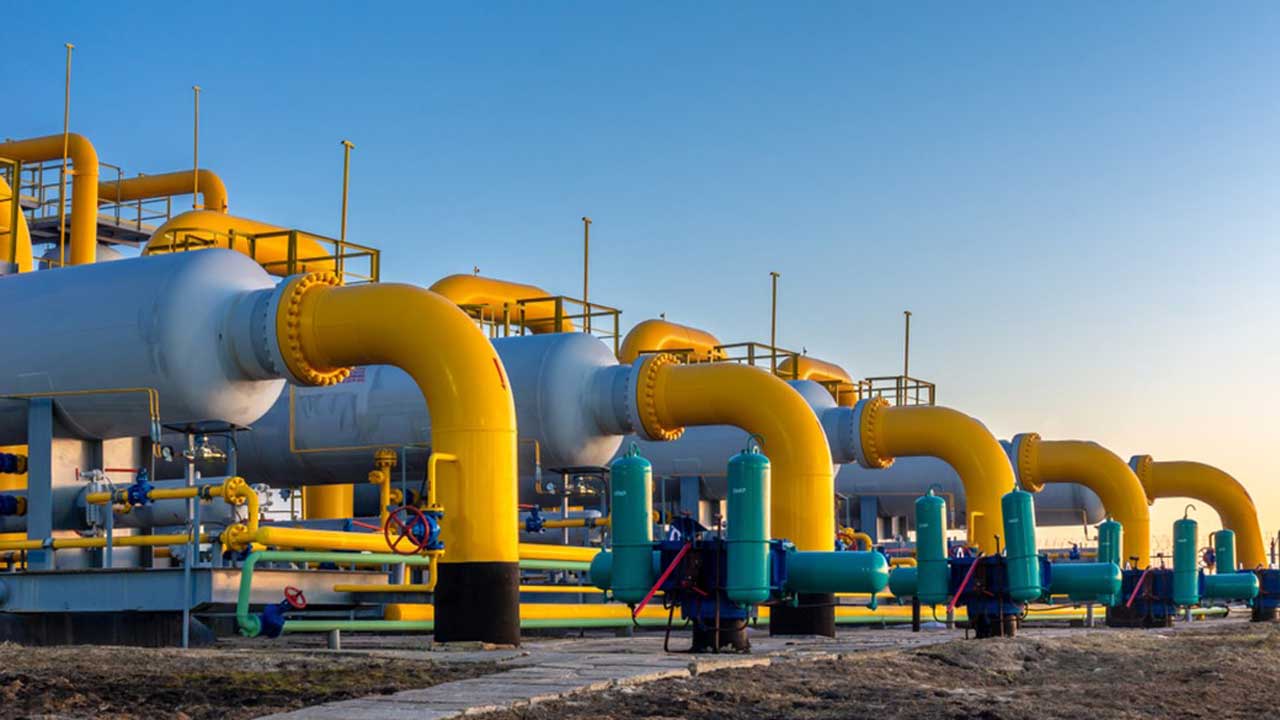
Development of the Trans-Saharan Gas Pipeline
The Trans-Saharan Gas Pipeline (TSGP), conceived in the 1970s, was designed to transport natural gas from Warri in Nigeria’s Niger Delta through the Niger Republic and Algeria to various markets in Europe. On January 14, 2002, the Nigerian National Petroleum Corporation (NNPC) and Algeria’s state-owned Sonatrach signed a Project Preparation Memorandum, marking a significant step toward the realization of this ambitious project. By 2005, they enlisted Penspen Limited to conduct a feasibility study, prioritizing projects that demonstrated technical and economic viability.
Impact on Local Communities
While the TSGP promised economic diversification, it also highlighted grievances related to exclusion and perceived injustices towards local communities in the Niger Delta, which house Nigeria’s vital oil and gas resources. Ethnic minorities, particularly the Ijaw people, sought greater participation in project decisions, citing significant environmental and health risks linked to oil and gas operations. Instead of engaging with these communities, the federal government intensified military operations in the region, leading to increased violence. Monitoring data from the Ijaw Youth Council revealed a tragic rise in deaths among local youth during this period.
Intergovernmental Agreements
On July 3, 2009, energy ministers from Nigeria, Niger, and Algeria signed an intergovernmental agreement in Abuja, with a formal agreement following on July 28, 2022. Notably absent from these agreements were references to host communities, a glaring oversight that many consider deeply unjust.
Resistance from Local Movements
As the project unfolded, it faced mounting resistance from the Movement for the Emancipation of the Niger Delta (MEND). They argued that the TSGP was futile without addressing key issues surrounding resource ownership and the environmental degradation caused by oil and gas exploration. This resistance underscored broader tensions in the region, reflecting a lack of trust in the government’s motivations and plans.
Revisiting Historical Agreements
One of the critical lessons learned from the TSGP experience is the government’s contentious claim that Nigerian independence grants them complete ownership of all underground minerals. This argument has resurfaced as opposition to new projects, like the Nigeria-Morocco Gas Pipeline (NMGP). Advocates for the Niger Delta assert that Nigeria’s independence did not nullify pre-colonial agreements established between local leaders and colonial powers, emphasizing the importance of these historical treaties in ongoing resource management discussions.
Overview of the Nigeria-Morocco Gas Pipeline
The NMGP project, which aims to transport gas from the Niger Delta to Europe via Morocco, was proposed in December 2016 during a meeting between King Mohammed VI of Morocco and Nigeria’s President Muhammadu Buhari. Scheduled to deliver 3 billion standard cubic feet of gas daily, the pipeline will traverse several West African countries before connecting to the existing Maghreb-European Pipeline. The infrastructure will extend approximately 5,600 kilometers, with projected costs around $25 billion.
Concerns Surrounding International Control
Upon the signing of the final MOU in Rabat, concerns emerged regarding Moroccan control over the people and resources of the Niger Delta. Despite federal government claims that the pipeline would generate wealth and combat desertification, critics note a troubling lack of focus on addressing flooding issues that affect local communities. The NMGP raises alarms about sovereignty and continued exploitation, perceived as yet another phase of colonialism couched in economic development rhetoric.
Arguments Against the Project
Opposition to the NMGP is motivated by several factors. Critics argue that Morocco’s influence could overshadow West African interests, potentially coercing leaders into compliance contrary to local needs. Furthermore, the energy needs of Europe cannot be satisfied without first addressing the energy inequities in the Niger Delta, where communities continue to struggle without adequate resources. Many local citizens advocate for investment in existing projects like the Brass Liquefied Natural Gas facility rather than new pipelines that offer little benefit to host communities. The specter of conflict looms large as past violence resurfaces, suggesting that a Moroccan-led NMGP would encounter fierce resistance.
