


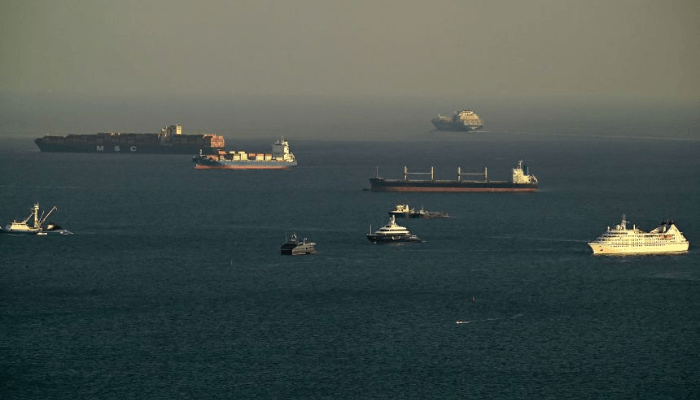
Strait of Hormuz: A Critical Hub for Global Energy and Fertilizer Supply
The Strait of Hormuz serves as a vital artery for global trade, transporting over 20 percent of the world’s oil and gas. In addition, this narrow passage accounts for 25 to 35 percent of global fertilizer shipments. The six Persian Gulf states—Saudi Arabia, Iraq, the UAE, Kuwait, Qatar, and Bahrain—along with Iran, contribute significantly to global resource production. These countries generate approximately 30 percent of the world’s oil supply and 17 to 18 percent of its natural gas, while also playing a crucial role in the fertilizer and pesticide markets. With many nations in the region relying on imports for their food supply, the ongoing conflict involving Iran and the potential closure of this strategic strait represent a dual crisis affecting both energy and food security worldwide.
Global Fertilizer Supply Disruption
About 20 percent of the maritime fertilizer supply originates from the Persian Gulf, with the region producing between 36 and 46 percent of the global urea trade. Notably, 33 to 34 percent of the seaborne fertilizer trade is routed through this area, targeting markets across Africa. The closure of the Strait of Hormuz would likely trigger a global crisis; there are no alternative routes to accommodate the levels of trade that currently pass through this corridor. The region is also responsible for 20 to 30 percent of global ammonia exports, making any disruption perilous for agricultural stability worldwide.
The United Nations’ Warning on Blockade Impact
The United Nations Conference on Trade and Development (UNCTAD) has highlighted that the blockade of the Strait would hit developing nations hardest, particularly in Africa. Current data estimates show that the combined output from the Gulf states and Iran accounts for 36 to 46 percent of global urea exports, 29 to 30 percent of ammonia exports, and roughly 49 to 50 percent of sulfur traded globally, a key ingredient for phosphate fertilizers. Prior to the outbreak of hostilities on February 28, 2026, approximately 16 million tons of fertilizer and 220,000 tons of nitrogen fertilizer transited through the Strait.
Global Consequences and Supply Chain Disruptions
The blockade’s impact reverberates globally, severely disrupting both food and energy security. With shipping through the Strait of Hormuz effectively halted, supply chain breakdowns have disrupted fertilizer availability. This, in turn, affects essential inputs needed for planting, potentially leading to lower crop yields globally. Farmers find themselves grappling with rising costs for fertilizers and energy, leading to possible declines in agricultural output. The situation exacerbates existing challenges, with anticipated severe effects on grain supplies due to inadequate nitrogen inputs. As these restrictions persist, they pose a significant threat to global food security and may even precipitate a humanitarian crisis.
Africa Faces Escalating Food Crisis
The closure of the Strait of Hormuz is poised to make Africa’s food crisis even more pressing. Prior to the conflict, around 20 African nations were on the brink of a food emergency, with at least ten percent of their populations facing severe food insecurity. Nigeria has consistently been identified as one of Africa’s most vulnerable countries. The current situation has aggravated the crisis, impacting an additional ten countries, particularly in East and Southern Africa, where food shortages are now prevalent. Gulf states, which import 70 to 90 percent of their staple food, are also vulnerable. In the Middle East, countries like Lebanon and Yemen face significant food insecurity challenges, while Iran experiences severe disruption in wheat and corn supplies due to its reliance on imports.
Building Resilience in Food and Energy Security
In light of these circumstances, a proactive approach is essential for Africa. Thankfully, the Dangote refinery and petrochemical initiative has provided some buffer for Nigeria and other African nations, particularly those reliant on fuel and fertilizer from this source. This positive impact is not reflected in pricing, as fuel prices surge amid faltering peace talks between the U.S. and Iran. Rising food prices compound the challenges for those already under strain.
A Call for Strategic Agricultural Initiatives
Addressing both energy and food insecurities requires a comprehensive African response. Given that agriculture remains the fastest avenue for economic development and poverty alleviation on the continent, the African Union Commission (AUC) should collaborate with the United Nations Food and Agriculture Organization (FAO) to establish a continental agricultural organization. This partnership could help reposition African agriculture to better navigate these challenges. Additionally, the AUC could collaborate with major industrial players, such as Dangote Industries, to develop fertilizer production facilities throughout Africa, ensuring the continent meets its agricultural input needs and strengthens its food security. Plans for expansion in local fuel refining and agricultural chemical production are already in motion, signaling a positive shift toward sustainability.
