


Disappearance Amidst Protests in Iran
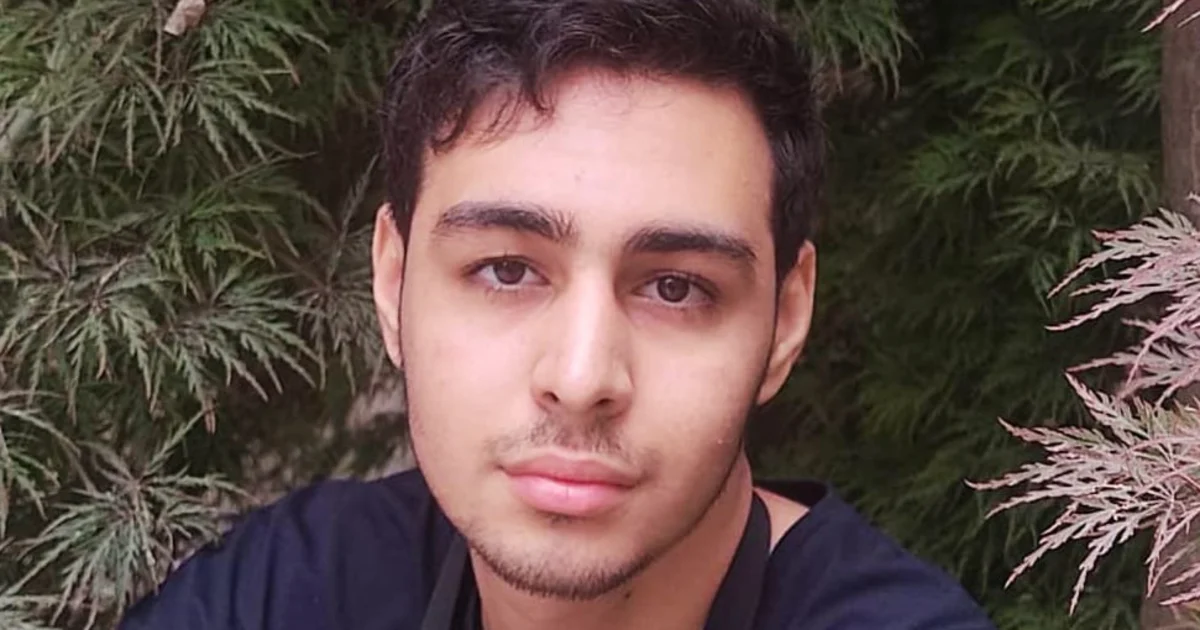
Mohammad Amin Biglari vanished in early January during a wave of anti-government protests in Iran. His father embarked on a desperate search through morgues in Tehran for a month, fearing tragically that his son might be among the thousands killed in the government’s brutal crackdown.
Arrest and Contact
Instead of finding closure, a lawyer from a revolutionary court reached out to the family, revealing that Biglari had been arrested. Reports from a relative residing outside of Iran, who spoke to NBC News on the condition of anonymity for safety, indicated that Biglari’s father was prohibited from visiting him at Gezer Hesar Prison, located approximately 30 miles west of the capital.
Life in Prison
While incarcerated, 19-year-old Biglari, who previously worked in a hair salon and the Internet department of a retail chain, was granted only one minute of phone time with her father, according to the family. During their fourth call, Biglari broke down in tears, informing her father that she had been sentenced to death.
Execution Reported
On April 5, an Iranian judiciary news website confirmed that Biglari had been executed by hanging. This execution is part of a larger trend, as the Iranian regime targets those it deems internal enemies amid escalating tensions with external adversaries, including Israel and the United States.
Repression Intensifies
Since mid-March, at least 28 people have been executed in Iran—13 of whom were detained during the January protests, according to the Norway-based Iranian Human Rights organization. Raha Bahraini, an Iran researcher at Amnesty International, highlighted that the government is exploiting the ongoing armed conflict as a pretext for intensifying repression and escalating the use of the death penalty as a political tool.
Rights Violations Reported
The United Nations recently reported that over 4,000 individuals have been arrested on national security charges since the onset of conflict on February 28. Many detainees have faced “enforced disappearances, torture, and other forms of cruel treatment,” including coerced televised confessions, as articulated in the report. UN Human Rights Representative Volker Türk expressed horror at the systematic deprival of rights faced by the Iranian populace amid the ongoing war.
Financial Crackdown and Detentions
In tandem with the violent crackdowns, the Iranian regime has started implementing financial penalties against perceived dissenters. A judiciary report revealed that properties belonging to 40 individuals labeled as “rebels” were confiscated. Additionally, authorities have taken a hard stance against potential domestic unrest, with the National Police Chief warning that protesters would be labeled as “enemies.” The political climate remains tense, as citizens face the dual challenges of governmental repression and the pressures of war.
