


Iran Proposes Plan to Open Strait of Hormuz and Halt Conflict
Iran has delivered a proposal to the United States aimed at reopening the strategic Strait of Hormuz and ceasing ongoing hostilities. However, contentious discussions over Iran’s nuclear program are suggested to occur at a later stage, according to Gulf and regional officials who spoke to NBC News.
Details of this proposal initially emerged from Axios. It was reportedly discussed during a meeting on Monday involving President Donald Trump and his national security team, though its seriousness and potential impact remain unclear. White House press secretary Caroline Leavitt commented on the discussions but refrained from making definitive statements about how the proposal is being received within the administration.
A pivotal challenge in these negotiations continues to be U.S. demands for Iran to end its nuclear enrichment program. Leavitt emphasized that the president’s position on several key issues related to Iran has been made abundantly clear, stating, “I’m not saying they’re considering it. I’ll just say there was a discussion this morning that I don’t want to get ahead of.”
On Tuesday, members of the Gulf Cooperation Council are scheduled to convene to examine Iran’s proposal. Addressing concerns over Iran’s nuclear ambitions remains essential for the Trump administration, while securing the vital Strait of Hormuz trade route and reinstating oil exports is equally urgent for Gulf allies.
Simultaneously, President Trump is arranging a meeting of high-ranking national security officials on the Iranian situation. This meeting will focus, in part, on efforts to reopen the Strait of Hormuz, a crucial waterway for global oil supplies.
Despite the stalling peace talks, President Trump publicly extended a call to Tehran, inviting them to engage if they seek a resolution. The administration echoed this sentiment, given the standoff marked by rising energy prices and tensions over maritime access.
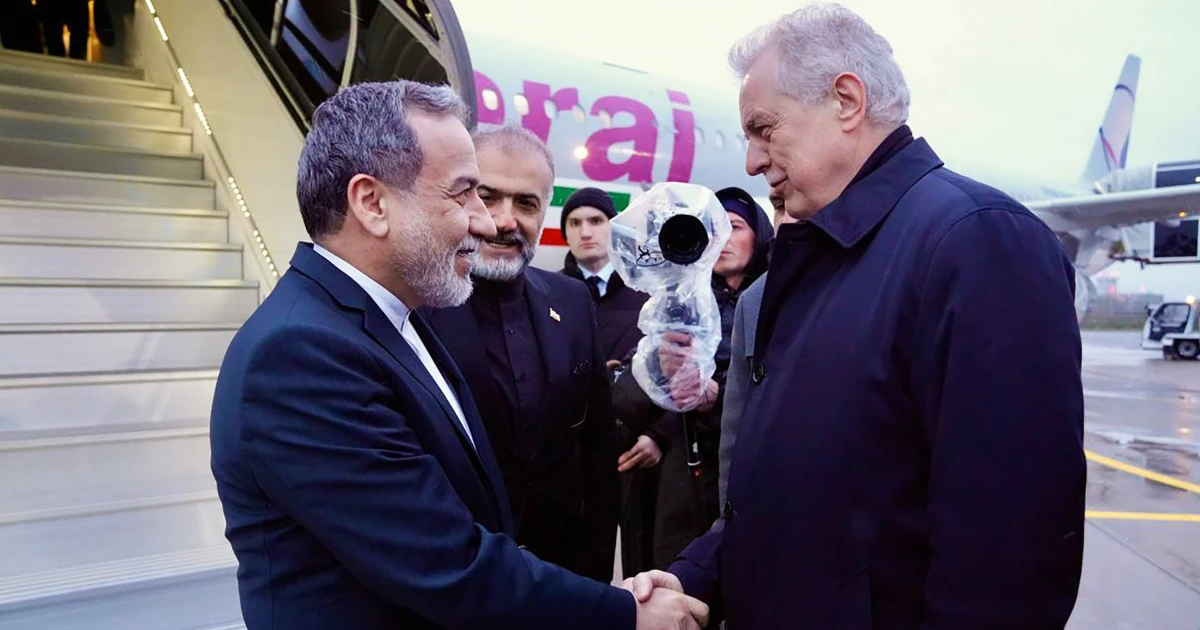
During this diplomatic maneuvering, Iranian Foreign Minister Abbas Araghchi visited Islamabad, which has become a central hub for mediation efforts. He communicated Iran’s latest proposal to Pakistani officials but did not engage directly with U.S. representatives. Subsequently, Araghchi traveled to Russia to discuss the matter further with President Vladimir Putin.
In a statement, Araghchi noted that Iran is withstanding the pressures exerted by the U.S., asserting that the United States has not met its objectives and is thus seeking negotiations. Putin expressed solidarity with Iran, acknowledging the nation’s struggle for independence and emphasizing Russia’s support for its interests amidst regional tensions.
Despite the presence of ongoing diplomatic efforts, real progress remains elusive. President Trump recently extended a ceasefire initially instituted two months ago but acknowledged that talks in Islamabad have yet to yield an agreement. The situation remains complex as both nations grapple with their core demands in the backdrop of fluctuating oil markets and geopolitical instability.
Trump’s administration continues to assert that the U.S. holds significant leverage over Iran through economic sanctions aimed at crippling its oil revenue streams. Analysts remark on Iran’s resilience, suggesting that the country is less likely to yield under pressure than previously anticipated, further complicating the negotiations and regional dynamics.
