


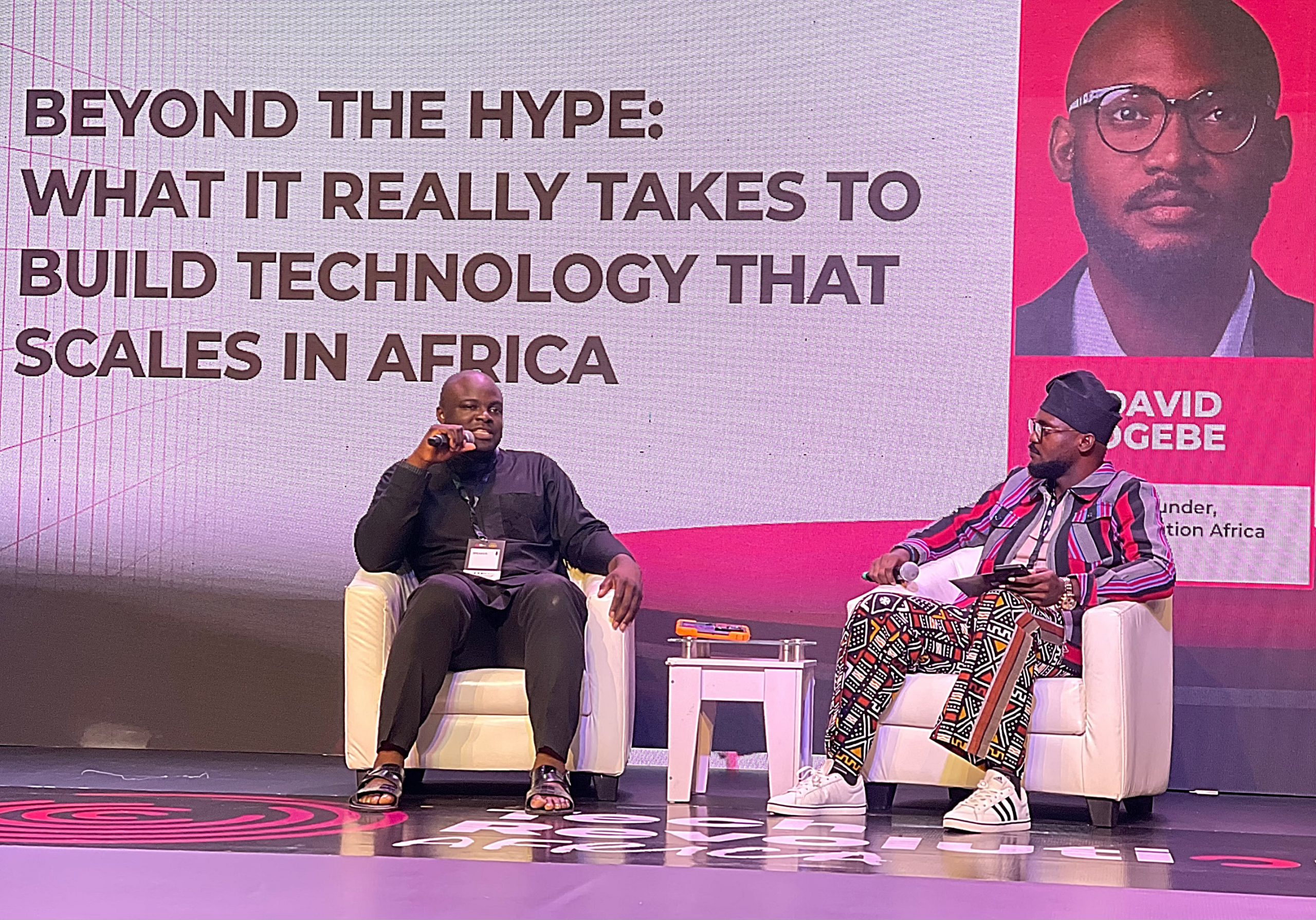
Ainoluwa Aboyeji Highlights Missteps in African Tech Entrepreneurship
At the Tech Revolution Africa Conference 2.0, themed “Big Bold Steps,” Ainoluwa Aboyeji pinpointed a critical issue within Africa’s startup ecosystem: many founders are constructing technology solutions that do not meet the region’s genuine needs and are measuring success using flawed metrics.
During a thought-provoking session titled “Beyond the Hype: What it Really Takes to Build Technology that Scales in Africa,” Aboyeji, a seasoned entrepreneur and investor, questioned prevalent assumptions in the tech industry. He urged founders to reassess their approaches to building scalable technology, emphasizing that the journey does not necessarily begin with securing funding.
According to Aboyeji, acquiring capital is often exaggerated in terms of importance when starting a tech company in Africa. He argues that true scale begins with a broader perspective. “To build beyond the hype, we must also think beyond Africa,” he asserted, stressing the importance of addressing the needs of a global audience rather than focusing solely on local frameworks.
As a co-founder of successful ventures such as Andela and Flutterwave, Aboyeji underscored that successful companies are not defined by their geographical locations or financial backers; they are driven by a deep understanding of the people they serve. He stated, “What every company truly needs is an in-depth understanding of its customers. Technology transcends geographical boundaries and resonates more with psychographics.”
This notion has resulted in many entrepreneurs imitating Silicon Valley strategies without assessing what their technology could genuinely offer customers in Africa. “Many founders think, ‘I’ll build a Nigerian version of what’s working in Silicon Valley,’ but this often leads to superficial successes that fail to build a product capable of serving millions,” he remarked.
Debunking Myths in African Technology
Aboyeji returned frequently to what he identified as harmful misconceptions in the tech ecosystem. One prevalent belief is that startup funding is the most vital element for success. “Capital does not generate scale; customers do,” he asserted, adding that a unique, deep understanding of customer needs is the foundation for any successful business.
He illustrated this point using his mobility fintech venture, Moove, which began by addressing the issue of drivers in Lagos unable to afford cars. “The unexpected revelation came when we realized that the issue of carless drivers is a global phenomenon,” he explained. By broadening their perspective beyond local challenges, Moove unlocked a solution that has potential appeal worldwide.
Reevaluating Product-Market Fit
When discussing product-market fit, Aboyeji criticized the conventional interpretation of the term. He emphasized the necessity for an organization to become “customer-obsessed.” As an investor who evaluates numerous proposals, he noted a distinct pattern: he only pursues ideas that present something genuinely innovative.
A notable example is Filmmaker Smart, a portfolio company that reshaped conventional wisdom in Africa’s creative economy. Aboyeji recalled that its core argument posited that a traditional movie studio was unnecessary due to the unique challenges of filmmaking in Africa. At the time, many viewed this perspective as unrealistic, yet today, the company thrives, backed by major investors and generating significant revenues.
Understanding Team Dynamics
Aboyeji also addressed common pitfalls in team building, warning that many founders mistakenly invest heavily in engineers who lack market insight. “Skills alone aren’t sufficient,” he commented. Founders, especially co-founders, must collaborate with individuals who possess a true understanding of the product and its market implications.
He cautioned against partnering with those who lack commitment, stating, “Working with someone who isn’t willing to make sacrifices can often lead to failure.” Passion, he explained, is rooted in a willingness to endure hardships for the sake of the venture.
The Price of Bold Decisions
Reflecting on his own career, Aboyeji recounted how leaving Andela, a flourishing enterprise backed by notable investors like Mark Zuckerberg, propelled him to become a three-time founder. He recounted financial struggles during his transition to Flutterwave, emphasizing the importance of resilience and risk-taking.
“There was no safety net; I didn’t earn anything in my first year and had to rely on my partner,” he shared, illustrating the lengths he went to sustain his vision. His experiences traveling extensively between Lagos and San Francisco exemplified the dedication needed to bring ideas to fruition in the highly competitive tech space.
Failure as a Stepping Stone
Aboyeji approached the topic of failure candidly, noting that every startup faces the possibility of closure. “What sets founders apart is their approach to this reality,” he explained. He shared stories of ventures that initially faltered before pivoting to a successful model, reaffirming that every enterprise has faced setbacks on the path to success.
In a rapid-fire session, Aboyeji urged aspiring entrepreneurs to avoid the trap of solely seeking financial investment. “Understand that customers represent your capital,” he stressed. Looking ahead, he expressed optimism that African talent will play a significant role in the evolving landscape of artificial intelligence.
“Stop imitating, stop chasing investors, and instead focus on understanding your customers deeply while embracing failure as an integral part of the journey,” he concluded, offering a roadmap for transformative success in the tech industry.
