


Nigerians Struggling with Rising Food Costs Amid Inflation Crisis
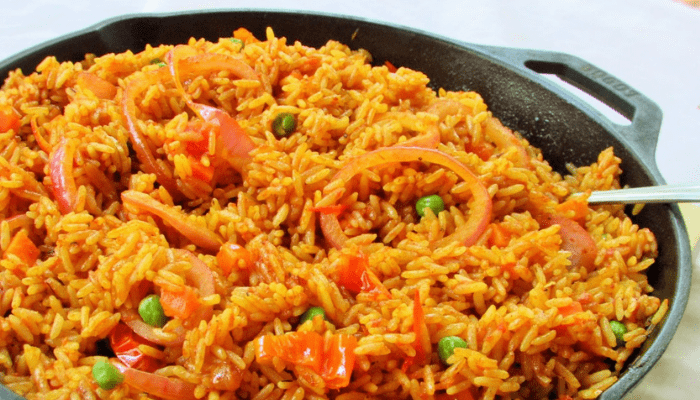
A Nigerian worker earning the national minimum wage of N70,000 can afford to prepare only two pots of jollof rice for a family of five, exhausting their entire monthly salary. With the price of a pot climbing to N30,435, nearly 44% of a monthly wage is dedicated to feeding a family, forcing many households to reconsider their dietary habits and meal planning.
Minimum Wage Adjustments Highlight Economic Pressures
The latest SBM Intelligence Jollof Index, titled “From Hormuz to Pot,” indicates a substantial increase in the national minimum wage, rising by 19.4% from N25,486 between October 2025 and March 2026. This adjustment reflects the ongoing economic challenges faced by workers across the nation.
Global Events Trigger Local Price Increases
At the core of these rising prices is a global economic climate affecting local markets. As tensions in the Middle East escalated in late February, crude oil prices surged, resulting in domestic gasoline costs exceeding 1,300 naira per liter and diesel prices surpassing 1,500 naira. This spike has led to increased transportation costs, soaring food prices, and heightened inflation overall.
Logistics Strain Fuels Rising Food Prices
The rising cost of fuel has inevitably raised the expense of transporting goods. In some cases, freight rates have doubled or even tripled on key routes. For instance, transporting a ton of grain from Kano to Lagos has increased from N45,000 to as much as N70,000. The high cost of transporting essential ingredients for jollof rice—such as rice, oil, peppers, and protein—has made meal preparation increasingly expensive, contributing to inflation, which surged to a headline rate of 15.38% in March, with rural areas experiencing the steepest price increases.
Household Adaptations to Surging Costs
As costs rise, families are forced to alter their spending habits. A mother in Lagos shared that her grocery shopping has shifted significantly as she now opts for smoked dried fish over meat because of high protein prices. Additionally, she has minimized her food purchases to avoid hefty shipping fees and transitioned from cooking gas to charcoal to prepare meals.
Regional Disparities in Food Pricing
The skyrocketing price of jollof rice varies considerably between states, influenced by factors such as logistics, infrastructure, and vulnerability to supply shocks. Abuja remains the costliest location, with prices in Wuse II reaching N36,750 in March, primarily due to the reliance on food transported via long and hazardous routes. In contrast, Lagos saw a staggering increase of over 23% in March alone.
Market Concerns Amidst Shrinking Supply
In the South-South region, Port Harcourt experienced a dramatic 55.1% surge, bringing prices to N31,650. Meanwhile, Kano’s prices rose by 53.8% to N29,670. However, in the Southeast, markets such as Awka and Onitsha witnessed the only month-on-month decline in March, with prices dropping to N24,250. A food wholesaler in Onitsha revealed they have ceased restocking inventory, stating, “We’ll sell what we have. Once we’re done, we’ll close up shop for a while,” underscoring the challenges retailers are facing as supply dwindles.
