


Supreme Court Decision Places Migrants from Haiti and Syria at Risk of Deportation
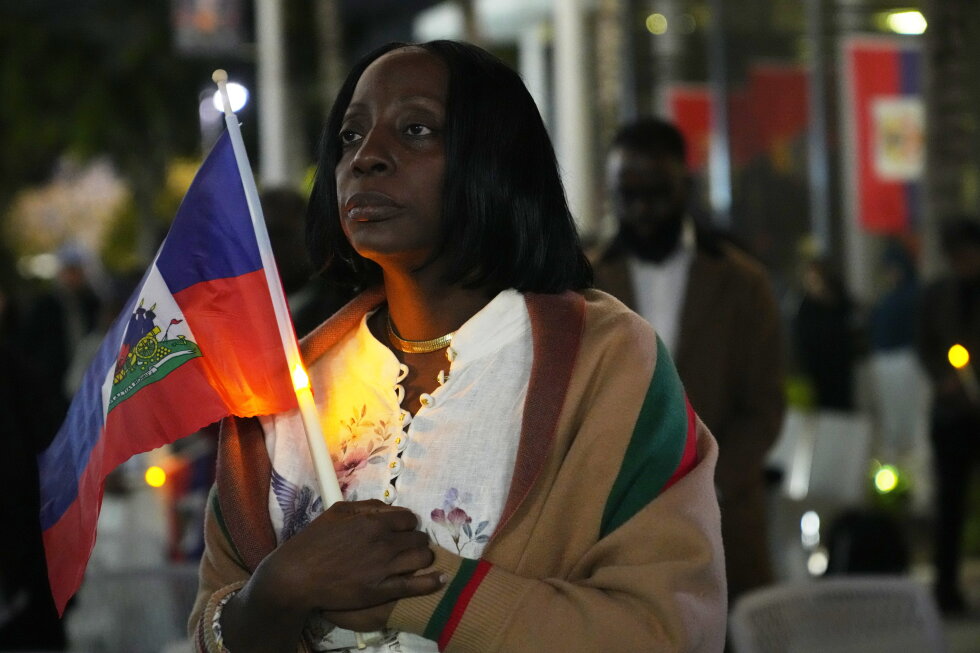
WASHINGTON (AP) — The Supreme Court has permitted the termination of legal protections for migrants from Haiti and Syria who are fleeing violence and natural disasters, a move that puts hundreds of thousands at increased risk of deportation. In a 6-3 ruling, the court overturned a lower court’s decision, enabling the Department of Homeland Security (DHS) to act swiftly regarding Temporary Protected Status (TPS), a program affecting approximately 1.3 million individuals from 17 countries.
Ruling Underscores Trump’s Immigration Policies
This ruling marks a significant victory for the Trump administration’s aggressive immigration policies, aligning with previous decisions by the conservative-dominant court. While the court had previously curtailed some of Trump’s immigration measures, this ruling provides a pathway for reinstating restrictive policies concerning asylum seekers. The Republican administration has consistently maintained that immigration officials’ decisions regarding TPS should not be second-guessed by judges.
Court Majority Backs DHS Authority
The majority opinion, articulated by Justice Samuel Alito, asserted that the law establishing the TPS program distances the judiciary from the decision-making process. Alito emphasized that “the Secretary’s TPS designation decisions are not subject to judicial review,” thereby reinforcing the executive branch’s authority in immigration matters.
Concerns Raised by Immigration Lawyers
Immigration advocates argue that returning to the affected countries is dangerous, noting that the decision to revoke protections was made hastily and possibly with racial bias. During his 2024 presidential campaign, Trump made controversial remarks that added to concerns over racial animus associated with his administration’s immigration policies. The majority of the court, however, concluded that Trump’s comments were not overtly racist, stating that the removal of Haiti’s TPS designation was not rooted in ethnic discrimination.
Dissenting Opinions Highlight Racial Implications
The court’s three liberal justices dissented, contending that the law permits judicial intervention when governmental authorities circumvent the removal process. Justice Elena Kagan pointed out the racial undertones in the discussions surrounding Haitian immigrants and emphasized that the prevailing sentiment contributed to the administration’s determination to remove them from the United States.
Calls for Legislative Action in the Aftermath of the Ruling
Lawyers representing Haitian immigrants expressed grave concerns regarding the decision’s implications, warning that it could result in the violent deaths of vulnerable individuals. They urged the Senate to extend deportation protections for Haitians, particularly amid a growing sentiment within the House of Representatives for such a measure. Community leaders, like Biles Dorsainville from the Haitian Outreach Center in Springfield, Ohio, lamented the impact on families who have established lives in the U.S.
Continuing Implications for Immigrants from Haiti and Syria
Since President Trump regained office in January 2025, the DHS has rescinded protections for individuals from 13 countries, some of which had remained in effect for over a decade. Immigration lawyers have pointed out that such dismissals are troubling, especially given that countries like Haiti and Syria remain perilous. Reports of violence against deported Haitians underscore the urgent need for continued protection.
The TPS program, established by Congress in 1990, was designed to prevent forced repatriation in response to natural disasters and civil unrest. While those enrolled can remain in the U.S. legally for a limited time, the program does not provide a pathway to citizenship. As the situation evolves, many immigrants are grappling with uncertainty about their futures and the ramifications of the Supreme Court’s ruling.
