


Africa’s Growth Forecast for 2026 Highlights Key Economic Trends
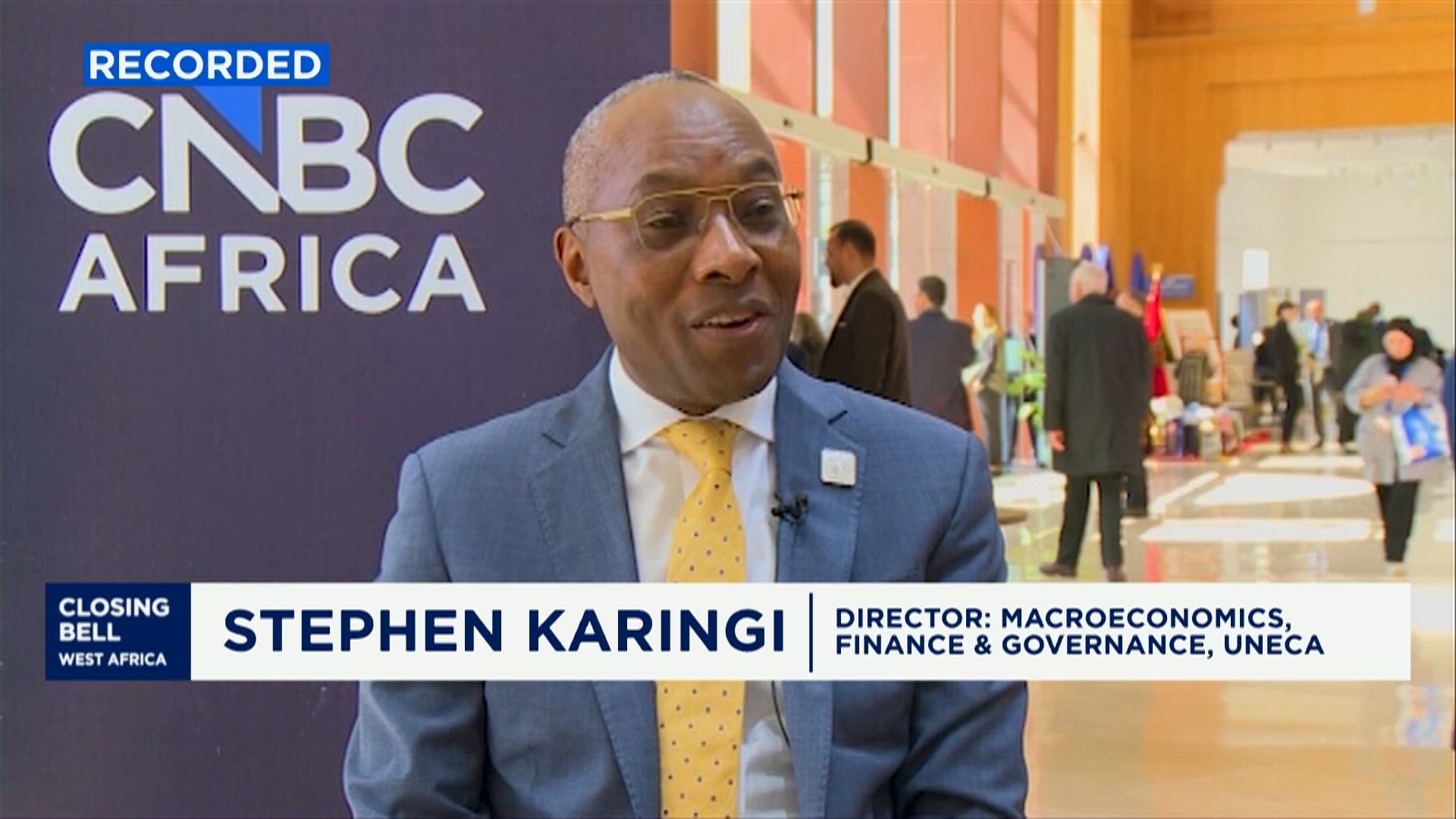
Africa is anticipated to experience a growth rate of 4% by 2026, buoyed by enhanced macroeconomic stability, increased public sector investment, foreign direct investment (FDI), and greater regional trade, particularly under the African Continental Free Trade Area (AfCFTA). This insight comes from Stephen Kalingi, the director of macroeconomics, finance, and governance at the United Nations Economic Commission for Africa (UNECA).
Governments Take Steps to Strengthen Economies
In a recent discussion with CNBC Africa during a ministerial meeting, Kalingi shared that UNECA’s latest Africa Economic Report indicates the continent will enter 2026 with stronger economic foundations, thanks to proactive government measures aimed at reducing inflation and stabilizing national economies. However, he emphasized that to maintain and accelerate growth beyond current levels, there must be a shift from a growth model primarily driven by labor and capital to one focused on productivity, innovation, and data utilization.
Positive Trends Amid Economic Challenges
Kalingi noted that a key positive sign in the forecast is the easing of inflationary pressures. After facing significant challenges in both 2025 and the previous year, inflation is expected to remain below 10% in 2026. While UNECA initially anticipated a further decrease in inflation levels by 2027, current global uncertainties prompt a reassessment of this outlook.
Impact of Geopolitical Tensions on African Economies
Recent geopolitical conflicts, including tensions involving Iran and the ongoing effects of the Ukraine war, have directly impacted African economies by driving up fertilizer and energy costs. Kalingi warned that these external shocks heighten the risk of renewed pressures on food and household prices, undermining economic stability.
Building Resilience and Navigating Market Challenges
Despite these challenges, Kalingi is optimistic about Africa’s growing resilience against global economic fluctuations. He argues that deeper implementation of the AfCFTA could serve as a crucial buffer, enabling a more integrated continental market. This integration would enhance domestic supply chains in essential sectors like energy and fertilizers, minimizing reliance on external sources and helping to stabilize import inflation.
Policy Strategies for Household Support Needed
As rising global costs threaten to affect households more severely, Kalingi urged governments to provide targeted support. He emphasized that effective policy responses to current geopolitical developments would be critical, especially if these disruptions prove to be long-lasting.
Transforming Africa’s Growth Model for the Future
Beyond immediate concerns, UNECA’s report underscores the necessity for a fundamental transformation in Africa’s growth model. Kalingi pointed out that much of the continent’s recent growth has been tied to labor and capital increases, rather than advancements in total factor productivity. To elevate growth rates above 5%, he stressed the need for a focus on innovation, frontier technology, and effective data management.
Investment in Technology as a Core Growth Driver
The UNECA report further indicates that enhancing technological preparedness can considerably boost productivity. Kalingi referenced findings suggesting that a 1% increase in the Frontier Technology Reserve Index could result in a 0.3 percentage point rise in total factor productivity across African economies, with potential gains in the manufacturing sector reaching up to 1 percentage point.
Uneven Technological Readiness Across the Continent
While North Africa currently leads in the implementation of frontier technologies, followed by Southern Africa, regions such as East, West, and Central Africa continue to lag. Kalingi pointed out that even within the more advanced regions, scores on the preparedness index remain below 0.5, illustrating significant room for improvement. Nevertheless, he expressed optimism as individual African nations increasingly invest in and adopt cutting-edge technologies, although progress has not been as rapid as policymakers would hope.
Strategic Focus on Productivity Gains for Sustainable Development
Kalingi concluded by emphasizing the pivotal role of productivity gains, particularly through technology and data. With Africa’s youthful demographic representing a significant opportunity, he cautioned that the anticipated demographic dividend will not materialize without strategic investments in digital infrastructure, innovation ecosystems, and regional collaboration. UNECA’s message is clear: while Africa is establishing the macroeconomic foundations for growth by 2026, the next challenge is to translate that stability into a more robust, technology-enabled, and resilient growth model.
