


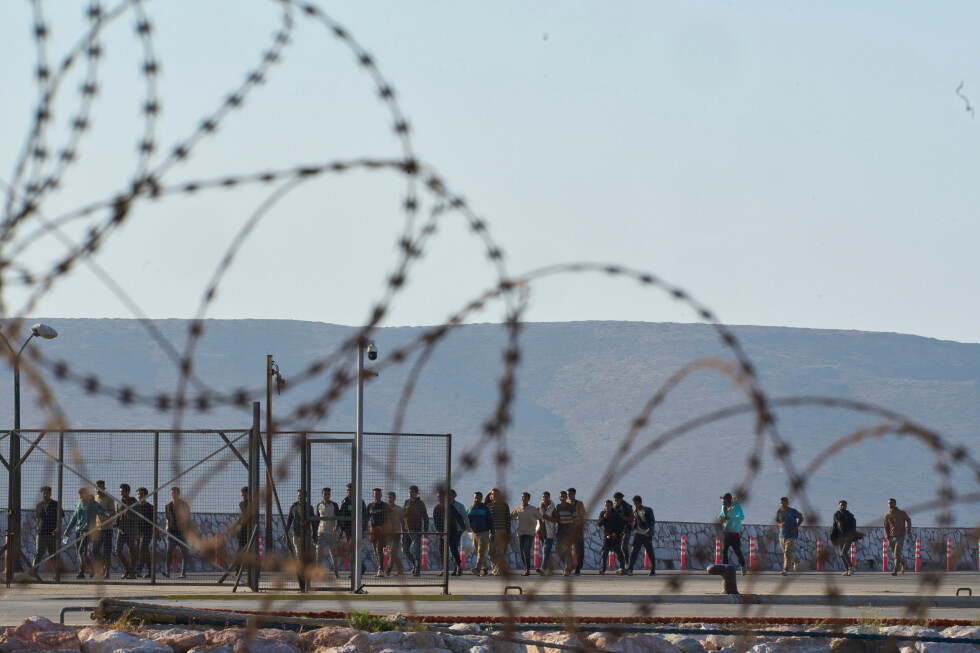
BRUSSELS — The European Union is set to implement new regulations on Friday outlining how its 27 member states will manage irregular migration and asylum applications. This initiative, known as the European Migration and Asylum Agreement, marks the culmination of extensive discussions and negotiations aimed at reforming a system that many considered ineffective while also empowering far-right parties across the continent.
Member states were expected to prepare for this rollout by adjusting their laws, training personnel, and enhancing border infrastructure. However, the European Commission has openly acknowledged that no country is fully equipped for this change.
European Commissioner for Migration Magnus Brunner characterized the agreement as a pivotal step forward, emphasizing that this is merely the start of a larger journey.
Human rights advocates have raised concerns that the new measures may exacerbate challenges for asylum seekers seeking refuge within the EU.
New Screening and Border Procedures
The new guidelines mandate that foreign nationals undergo a maximum of seven days of inspections at EU borders prior to entry, following a standardized procedure. Hans Leitens, executive director of Frontex, the European Border and Coast Guard Agency, noted that this agreement consolidates the diverse practices of all 27 member states.
Asylum seekers identified as potential security threats or arriving from countries classified as “safe” by the EU will now face an accelerated asylum process lasting only three months, down from six. Some applicants may face detention while their cases are under review, and they will have just one opportunity to appeal a rejected claim.
Additionally, the European Commission plans to implement a new biometric database called Eurodac, which will register data on individuals, including children as young as six. More countries will need to develop border infrastructure to support this vetting, asylum processing, and detention, along with measures for independent oversight of rights at the borders.
Efficiency in Returning Rejected Asylum Seekers
A crucial element of the new agreement is the expedited process for both voluntary and mandatory returns of rejected asylum seekers. Those whose applications are denied will swiftly receive return orders. The political leadership in the EU anticipates that returnees will be sent to “safe” countries, which include nations like Syria and Bangladesh.
Recent data from the European Asylum Agency indicates that approximately 802,000 first-time asylum applications were pending as of March. To address this backlog, member states are collaborating with EU legislators to create “return hubs” where asylum seekers who cannot be immediately returned can be sent to third-party nations. However, discussions surrounding deportation centers remain shrouded in secrecy as negotiations take place between a select group of countries and potential external partners.
Shared Responsibility Among Member States
The division of responsibility for asylum seekers has long been a contentious issue among EU nations, particularly during crises. Countries on the frontline, such as Greece and Italy, have frequently voiced their frustrations regarding the overwhelming burden of illegal immigration as migrants are required to seek asylum in the nation they first enter.
In response to this strain, these nations have allowed many migrants to travel to Northern and Western Europe without formal permission, citing their limited capacity to manage the influx. This has inadvertently shifted some of the asylum strains to northern countries like Germany and Sweden, where the surge in asylum claims has reached unprecedented levels, pushing the immigration system to its limits.
The new agreement introduces solidarity mechanisms designed to ensure that border nations are not left to manage the situation alone. Other EU member states are expected to either accept some of the asylum seekers or provide financial support as compensation. There are provisions for countries to offset their share of the challenges posed by secondary migration as well.
Long-Term Implementation Challenges
The European Commission has acknowledged that full implementation of the agreement will extend beyond the initial deadline of June 12, as none of the member states are entirely prepared. As Susan Fratzke, a senior policy analyst at the Migration Policy Institute, put it, “It’s not like a light switch will be flipped on June 12.” The complexity of these changes demands time and sustained effort.
Susanna Zanfrini, director of the International Rescue Committee’s Italian office, expressed concerns regarding the current lack of clarity and consistency. She emphasized that this ambiguity creates uncertainty for both asylum seekers and the organizations supporting them, who need clear guidance on rights and available resources.
Human Rights Concerns Emerge
Human rights organizations have condemned the new legislation, arguing that it undermines the right to seek asylum by hastening the process. Critics contend that such expedited procedures may lead to racial profiling and could deny legitimate applicants the international protection they rightfully deserve. Activists predict an upsurge in long-term detentions at EU borders as a consequence of these measures.
Judith Sunderland, a senior refugee and migrant rights advisor at Human Rights Watch, noted that the agreement effectively shuts the door on individuals who deserve dignified treatment and a fair examination of their protection claims. Lukas Gehrke, head of the International Organization for Migration in Brussels, emphasized the need for the EU to increase deportations while simultaneously allocating more resources to integration programs for the millions of migrants legally residing in the region.
Reporters contributed from various locations, highlighting the multifaceted implications of the new agreement.
